
Maintaining a Sense of Security — At All Costs
We Believe the Narrative That Makes Us Feel Safest
I have a complicated relationship with food, and I know I’m not alone. Food is always a big part of any celebration in my family. You just got a promotion? Let’s go out to eat! You just graduated? Let’s have a party with lots of food!
Food is also a comforting friend. If I have a bad day, ice cream will usually help! Mourning is also a big occasion for food! The day my husband Patrick died, the food started pouring in immediately. And by the end of the day, there was a meal train organized to keep the food coming.
When I was in high school, I could eat whatever I wanted. I ran track and cross country, and I’m pretty sure my metabolism was incredible. I did try to stay active after high school. After my second child, I tried to take up running again, but it was not to be. Seven years later, I had my hip replaced.
Over the years, I’ve been on many different weight loss plans. I’ve lost and gained back more weight than I care to think about. If it were a simple, uncomplicated matter, then I would not be overweight.
I know it’s something I need to be concerned about, and I’ve honestly been concerned since the pandemic. I know I am at high risk for a poor outcome if I catch COVID-19, but I have many other stressors right now that are higher priority.
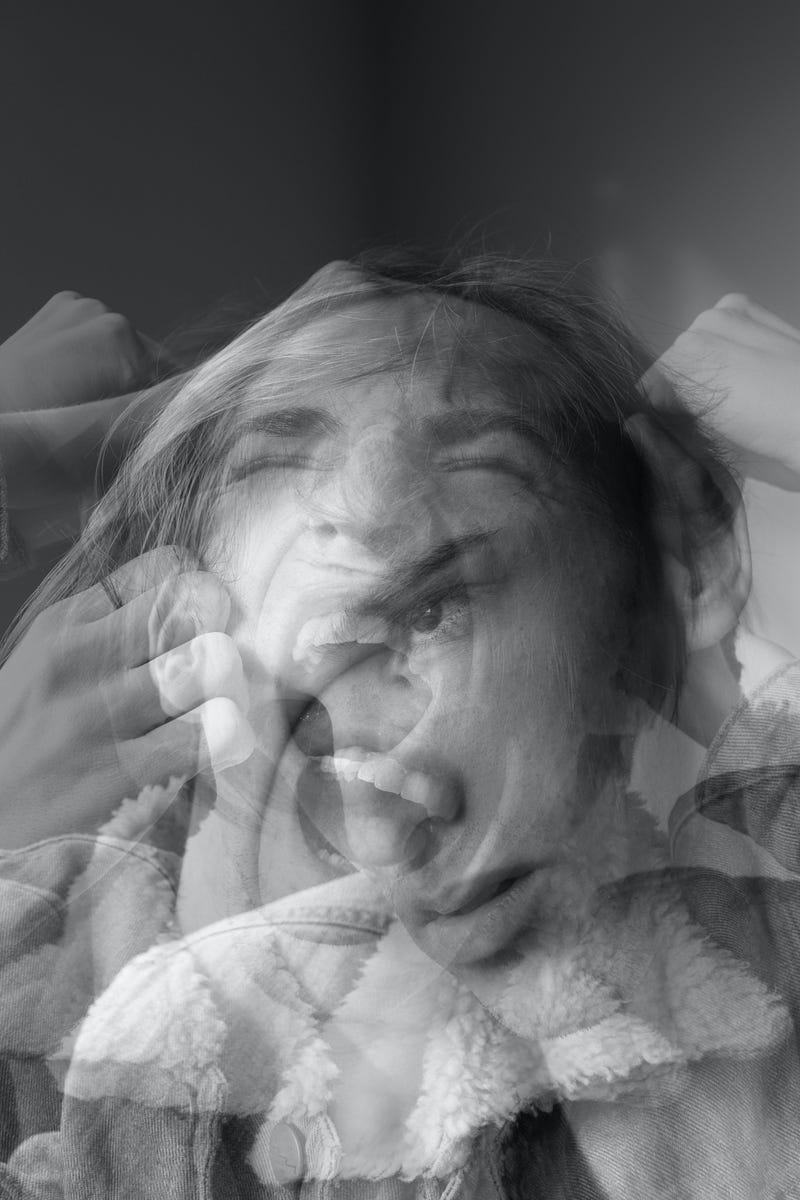
The pandemic is the most stressful event that most of us have ever experienced. We have lost control of many aspects of our daily lives. Oddly enough, I don’t think most people realize the psychological impact that this has on us.
Human beings like to have order. Change is hard. We prefer predictable. When faced with uncertainty, we go into fight or flight mode. If nothing is in our control, we desperately search for something that is.
Think about any fear that you might have.
Let’s say you hear about an awful car crash. You scan the news looking for the cause. Was someone speeding? Drinking? Texting? We want there to be a predictable cause because the alternative is that terrible things can happen randomly, and we have no control over our own safety.
This rationalization that we go through can be applied to a variety of situations. Let’s say a police officer shoots someone; they must have been breaking the law, right? Or maybe they didn’t follow instructions? We have these thoughts to reassure ourselves that bad things don’t happen to good people.
I have seen various rationalizations about COVID-19, including that it is a hoax, the government is trying to control us, it’s not any worse than the regular flu, and we are being lied to about the numbers. I’ve also seen a lot of victim-blaming happening.
A friend on Facebook will ask if anyone knows someone who has COVID-19 or has died from it. If a death is reported on the news, someone will inevitably ask if there were any underlying conditions.
Most of the time I have seen this, it is very subtle. I think people realize that it is not nice to blame the victim, but they put the idea out there.
When someone uses this sort of rationalization, I always wonder what they would say if I became a victim. Would they blame me because I’m obese? Is that fair?
I believe that all of these rationalizations attempt to make the individual making the statement feel safe. Most individuals probably don’t realize this is what they are doing because protecting yourself and finding safety are autonomic responses.
Like many people, I have wondered why there are so many divisions in society over COVID-19 and social justice. Understanding that we are all fighting to re-establish control of our lives helps me understand why this is happening.
My advice to anyone reading this is to understand that this is a stressful time. Give yourself and those around you grace. Understand that many of our reactions and opinions are rooted in self-protection and the need to feel in control.
And, if you subscribe to any COVID-19 conspiracy theories… ask yourself how countries all over the world would be able to agree and secretly collaborate to make this seem worse than it is? And how would it be hidden from mainstream journalists?
If anyone at Fox News or CNN had valid proof of a conspiracy, that would be Pulitzer Prize-winning information! COVID-19 is real, and it’s deadly. The division makes it worse. We have the power to control simple decisions such as wearing a mask and avoiding indoor gatherings.
I realize that even these suggestions do not provide 100% protection against the virus, and surprisingly they have become controversial political decisions. I know we can do better!
As I write this, I realize that by not doing anything about my weight, I am 100% in control right now. Not doing anything gives me more power than attempting weight loss. So, I understand the psychology. I just need to work on my motivation!