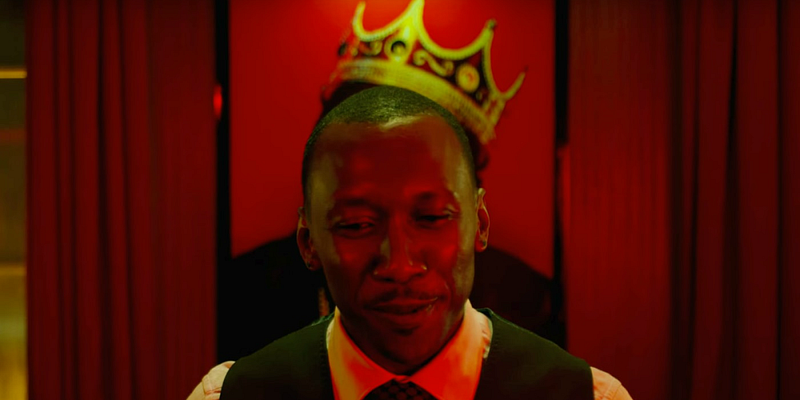
We Need More Magnificent Black Villains
Because diabolical villainy is fun, and white people can’t be the only ones defining that.
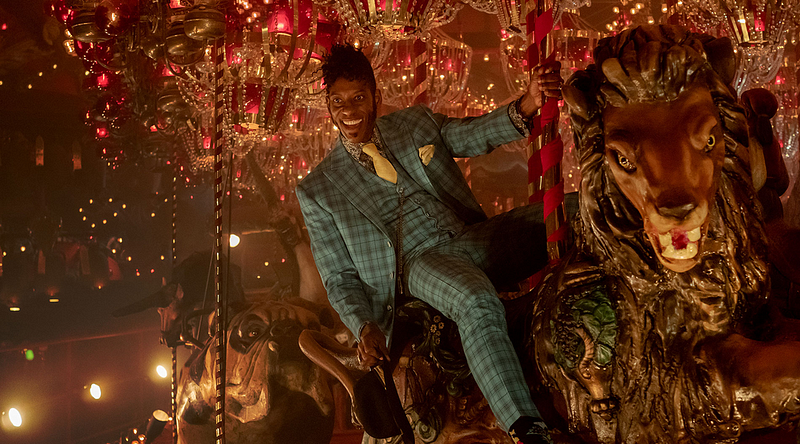
We need more black villains in our stories.
Now, I don’t mean more drug dealers or gang leaders, or warlords. I mean the taking over the world, mass destruction, global-economy destabilizing, death-beam-from-above type of villains. The seductively charismatic, megalomaniac types. But they don’t even have to be that big. I’ll take a cerebral homicidal maniac who has been hiding bodies in the backyard for decades or a classy leader of a team of professional bank robbers. Something that gives us more than an exaggeratingly stereotypical Black character. Black villains full of depth and character. We need more magnificent Black villains.
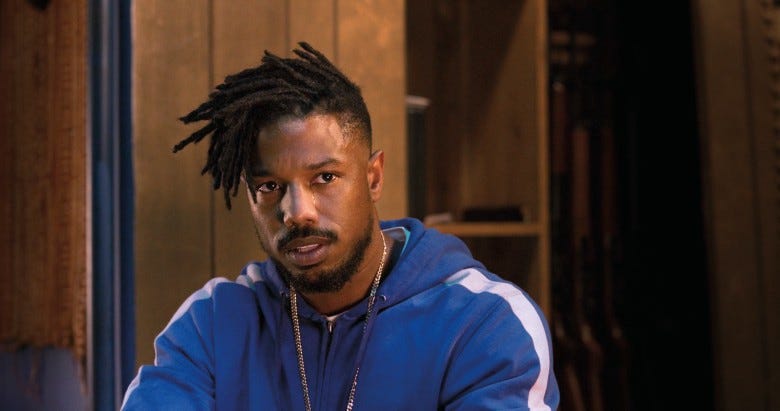
Now some of you read this and cry:
“Why would you want this? Aren’t black people vilified enough in the media? Why would you want a more negative representation of us? Shouldn’t you want more positive portrayals instead?”
To which I reply:
“Well, hypothetical reader, the short answer is because we are people.”
After which, you’d ask for the long answer because the short answer sounds vague.
But that’s basically it: we are people. We are just as intelligent, just as flawed, just as intriguing, just as petty, just as noble, and just as messed up as everyone else, and our narratives should be proud to reflect that. Black people are as many villains, heroes, and everything in-between as the next person; that’s life, and art is supposed to imitate it. However, art for art’s sake is not the only reason.
We already have positive examples of Black people as main characters. They’re few and far between, but they exist. Some of them are pretty great. They have their issues, though. For example, the two most notable black superheroes of the last decade: a big bulletproof black man in the middle of Harlem dealing with cops and gangsters is a bit spot on, and an African king who’s a better fighter than Captain America, smarter than Batman, and more affluent than Iron Man can be viewed as overcompensating by some. Regardless, it is wonderful for characters like that to be the protagonists of their own tales. But that’s only one side of the coin.
We need more magnificent Black villains.
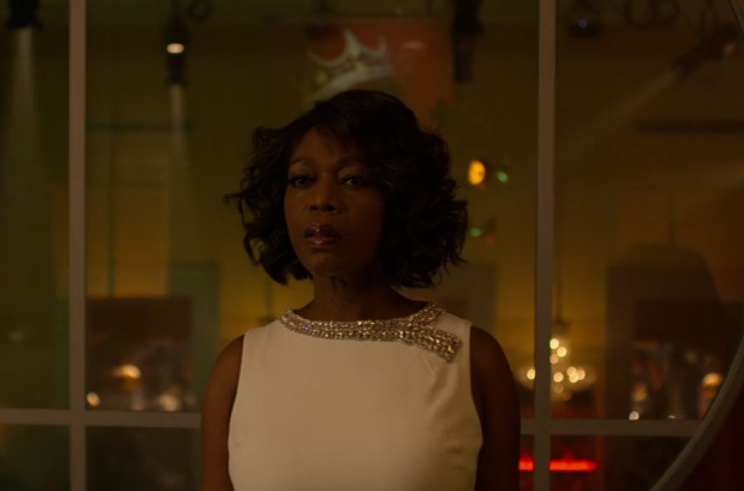
Think about your favorite stories. They could be novels, movies, comic books, T.V. shows, or cartoons — anything that you enjoy over and over or share with others because you want them to know how good it is. Most people have at least a few that they enjoy.
Now, how many of those plots have a memorable bad guy, even if the only thing that makes them one is being an asshole? A lot, right? What makes most stories great is conflict, and conflict can derive from the situation and/or the people involved. Long story short, we like to watch movies and read books because we like the villains.
We love the villains.
We can love to hate them and want to see them taken down, we can feel sorry for them and wish they’d had a better life or chosen a different path, and some of us will even root for them to win. More importantly, villains define a story by way of moving the plot.
Regardless, a good antagonist can make a story, striking a chord with us that has us remember them for years to come. We need more Black people in those roles, but the writers aren’t putting us there.
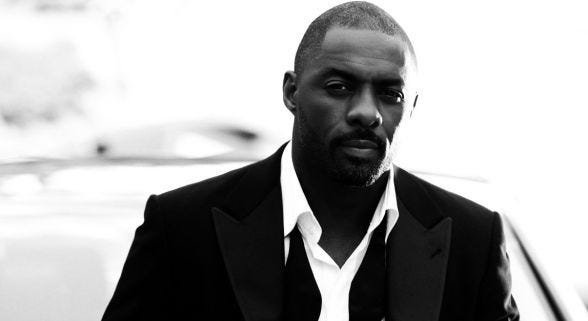
It seems like a lot of writers don’t want to put a black person as the main bad guy, most likely to avoid negative feelings and responses relating to this country’s racial and racist history. We can be a regular person, we can be a victim, and we can even be a small-time bad guy all day long; but not the main villain, though?
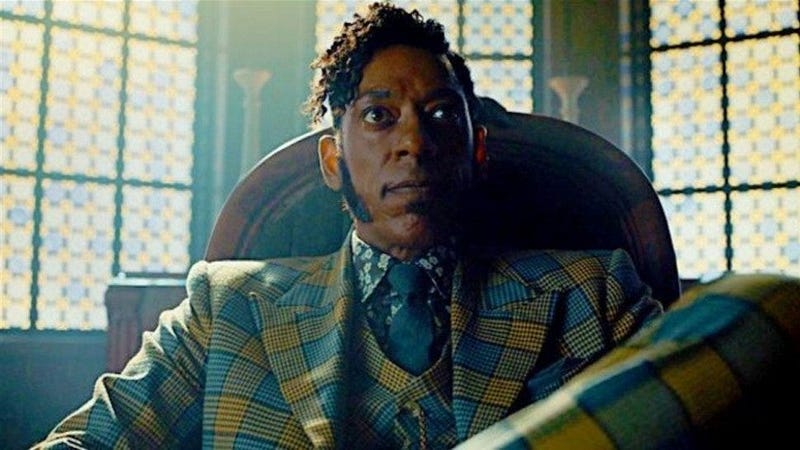
It seems like white writers are uncomfortable with facilitating magnificent Black villains in these stories because these roles are positions of unadulterated power, and giving that power to hyper-intelligent, glorious Black antagonists intimidates white America.
In short, they will have to get over that in order for us all to move forward.
These writers may not realize that they do black people a disservice, both on and off the page, by keeping us from that position. On the page, by relegating us to a regular citizen, they’re saying we’re only ordinary people. When say we are just victim number five on page 64, they’re saying we’re helpless. And when we’re a low-level thug in a criminal organization, they’re saying that’s as far as we can reach.
On top of that, none of those three, in general, are memorable roles. But the bank robber? He’s not ordinary. The serial killer? He’s not helpless. And the leader of the organization that is destabilizing the global economy? He’s reaching — and more importantly, toying with — the upper echelons of power. As for off the page, that bank robber, that serial killer, that influential leader, they may be animated by, voiced by, and/or portrayed by black people. Every character that moves beyond the page is an opportunity for black people to get more work in the entertainment industry. Black audiences will then be exposed to roles beyond the stereotypes we currently see.
“Do you want the children to aspire to be a bank robber? Do you want the children to be influenced towards being a serial killer?”
And my response is:
“Why are you letting the children watch a movie about serial killers anyway?”
If they are young enough to be easily influenced by such a story, you should either not expose them to it or be there to guide them into a better understanding. Don’t expect the entertainment industry to be parents to your kids when that’s your job.
Of course, I don’t want children, black or otherwise, to grow up to be bank robbers, serial killers, or destroyers of the global economy. However, I would argue that there are plenty of negative portrayals of black people in the media and mostly racial, racist, and stereotypical. I want all children to see black characters in memorable roles other than the stereotypes we have now — that black people are, again, just as intelligent, stupid, friendly, petty, noble, and flawed as everyone else.
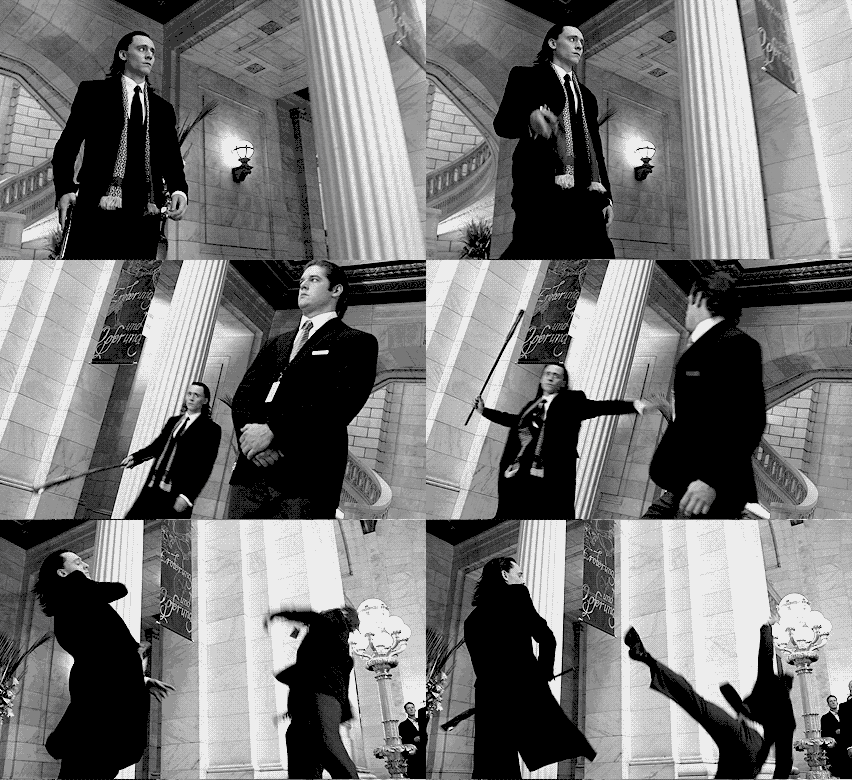
We already have a few notable heroes, but we need more of them. We already have some main characters in dramas, and we need more of them, too. But villains, antagonists, big-bads?
Those are few and far between. And almost all the characters, be they hero or villain or in between, have trouble stepping out of stereotypical roles to simply being flawed realistic characters in their own right.
Writers, either in an attempt to avoid stirring up racial topics or simply because they don’t know how to write black characters, have kept us from opportunities to be remembered throughout time and from being examples of something different to our people.
That needs to change. And who better to upset the status quo than a villain? We need more magnificent Black villains. Let’s make it happen.