avatarFreya V. Locke

Free AI web copilot to create summaries, insights and extended knowledge, download it at here

1887

Abstract

e smell of anything? Pine or a musty, woody smell, perhaps? Can you hear the leaves rustling in the breeze? Do you feel the breeze? Is it warm or cold? Is it blowing a gale, or a gentle, airy kiss?</p><p id="b9de"><i>But how do you practise with your dog?</i></p><p id="42a2">First, if you are in a calm state, your dog is far more likely to be calm too. Find quiet places to explore together and practise deep breathing as you stroll. It’s no good attempting to be calm in the middle of a football stadium or during rush hour traffic in the middle of the city. Think parks, forests, beaches, and riverbanks.</p><p id="da62"><b>Try timing your breaths to your walking pace. If it is safe to do so, you could play some calm music quietly through your headphones.</b></p><p id="8ba7"><i>Listen to birdsong, and hear the woodland creatures scampering around in the trees and undergrowth.</i></p><p id="f529">Encourage your dog to have a “Sniffari”, where they get to explore grass verges and bushes at their leisure with their noses, rather than hurrying them along. Use some treats or their dinner and scatter in the greenery for them to stop and find. Sniffing helps to lower their heart rate and, with it, their stress levels.</p><p id="8011">Take a sensory picnic for your dog, and yourself, find a quiet bench or sit on a picnic blanket. Let the world go by while you and your dog investigate the contents of your bag. Put in items with different smells, textures, toys that make noises, different tasting items into separate tubs. One by one, bring the items out, show them to your dog, let them sniff, touch, taste, play with the things you brought.</p><p id="5681">Find a nice bench — churchyards are often nice places to stop. Just sit awhile and feel the sun on your face, smell the air, listen to the noises of the traffic or the planes overhead, or of pigeons cooing, or children

Options

chattering in nearby schools and parks.</p><p id="7dc9"><b>In this way, your dog can be socialised to everyday stimulus while not being overwhelmed.</b></p><p id="216d">Involving your dog in slow, sensory, mindful activities will benefit your loose lead walking. The floofer will accidentally stay close to you as they engage with the things you are doing with them. They are practicing proximity and focus as a by-product of doing mindfulness with you. No complicated training required!</p><p id="9989" type="7">Above all else, slow down and enjoy your special time together. Life is so busy, and time goes by so fast. No pet ever gets to the Rainbow Bridge and wishes their human had spent more time ignoring them and rushing about. Make the most of every sacred moment with them.</p><p id="a180"><b>If your dog is worried by triggers outside your home — other dogs, loud noises, other people etc. and you have no quiet place to go, think about hiring a private field for some trigger-free space. Call a reward-based behaviourist like myself for advice on helping your dog with their struggles.</b></p><div id="6075" class="link-block"> <a href="https://readmedium.com/dealing-with-triggers-ff6143efadd8"> <div> <div> <h2>Advice For Dealing With Your Dogs Scary Triggers.</h2> <div><h3>Make life less scary for your dog.</h3></div> <div><p>medium.com</p></div> </div> <div> <div style="background-image: url(https://miro.readmedium.com/v2/resize:fit:320/0*qXHhnGVz1HLegeMG)"></div> </div> </div> </a> </div><p id="ba90">If you enjoyed my article, I have a <a href="https://www.freyavlocke.com/">newsletter</a> which I would love you to subscribe to!</p><p id="b213">100 Day Challenge — Day 88</p></article></body>

Magical Mindfulness And Beautiful Dog Walks.

How to tune in to the environment and relax with your dog.
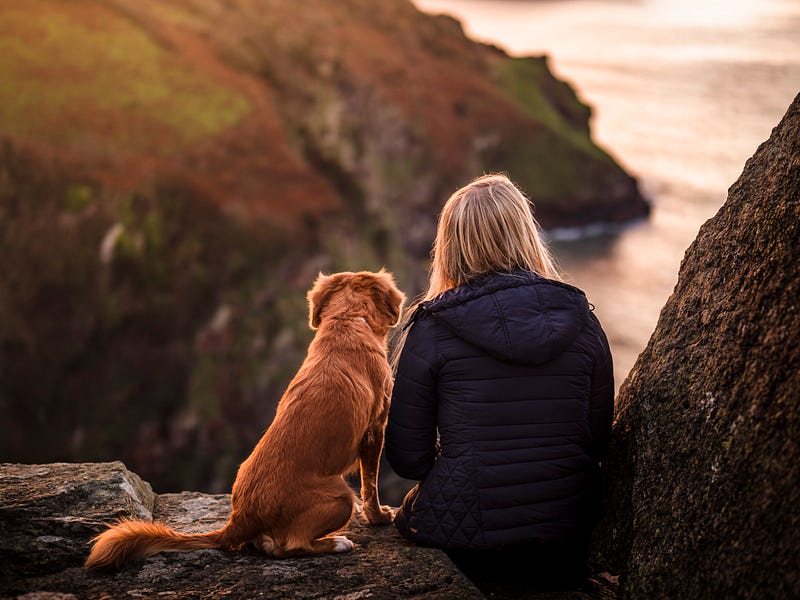
Photo by Jamie Street on Unsplash

We have all heard of mindfulness. It is a powerful practice that means being mentally and physically present in the moment, instead of worrying about the future or the past. It involves using your senses intentionally.

Choose to smell things, touch things, see things, taste things, and hear things. Paying attention to your surroundings distracts from anxiety and promotes a sense of well-being.

Connecting with nature is an incredible way to experience a state of mindfulness.

All you need to do is to be there to observe it. It is easy when you get the hang of it, and it is free.

Look at the trees, the colours of the leaves, touch the bark — is it rough or smooth? Does the tree smell of anything? Pine or a musty, woody smell, perhaps? Can you hear the leaves rustling in the breeze? Do you feel the breeze? Is it warm or cold? Is it blowing a gale, or a gentle, airy kiss?

But how do you practise with your dog?

First, if you are in a calm state, your dog is far more likely to be calm too. Find quiet places to explore together and practise deep breathing as you stroll. It’s no good attempting to be calm in the middle of a football stadium or during rush hour traffic in the middle of the city. Think parks, forests, beaches, and riverbanks.

Try timing your breaths to your walking pace. If it is safe to do so, you could play some calm music quietly through your headphones.

Listen to birdsong, and hear the woodland creatures scampering around in the trees and undergrowth.

Encourage your dog to have a “Sniffari”, where they get to explore grass verges and bushes at their leisure with their noses, rather than hurrying them along. Use some treats or their dinner and scatter in the greenery for them to stop and find. Sniffing helps to lower their heart rate and, with it, their stress levels.

Take a sensory picnic for your dog, and yourself, find a quiet bench or sit on a picnic blanket. Let the world go by while you and your dog investigate the contents of your bag. Put in items with different smells, textures, toys that make noises, different tasting items into separate tubs. One by one, bring the items out, show them to your dog, let them sniff, touch, taste, play with the things you brought.

Find a nice bench — churchyards are often nice places to stop. Just sit awhile and feel the sun on your face, smell the air, listen to the noises of the traffic or the planes overhead, or of pigeons cooing, or children chattering in nearby schools and parks.

In this way, your dog can be socialised to everyday stimulus while not being overwhelmed.

Involving your dog in slow, sensory, mindful activities will benefit your loose lead walking. The floofer will accidentally stay close to you as they engage with the things you are doing with them. They are practicing proximity and focus as a by-product of doing mindfulness with you. No complicated training required!

Above all else, slow down and enjoy your special time together. Life is so busy, and time goes by so fast. No pet ever gets to the Rainbow Bridge and wishes their human had spent more time ignoring them and rushing about. Make the most of every sacred moment with them.

If your dog is worried by triggers outside your home — other dogs, loud noises, other people etc. and you have no quiet place to go, think about hiring a private field for some trigger-free space. Call a reward-based behaviourist like myself for advice on helping your dog with their struggles.

If you enjoyed my article, I have a newsletter which I would love you to subscribe to!

100 Day Challenge — Day 88

Dogs
Mindfulness
Self Improvement
Family
Pets
Recommended from ReadMedium