
History | Macabre
Madame Tussaud: The True Story Of Wax, Revolution, And Macabre Artistry
The Haunting Legacy of Severed Heads
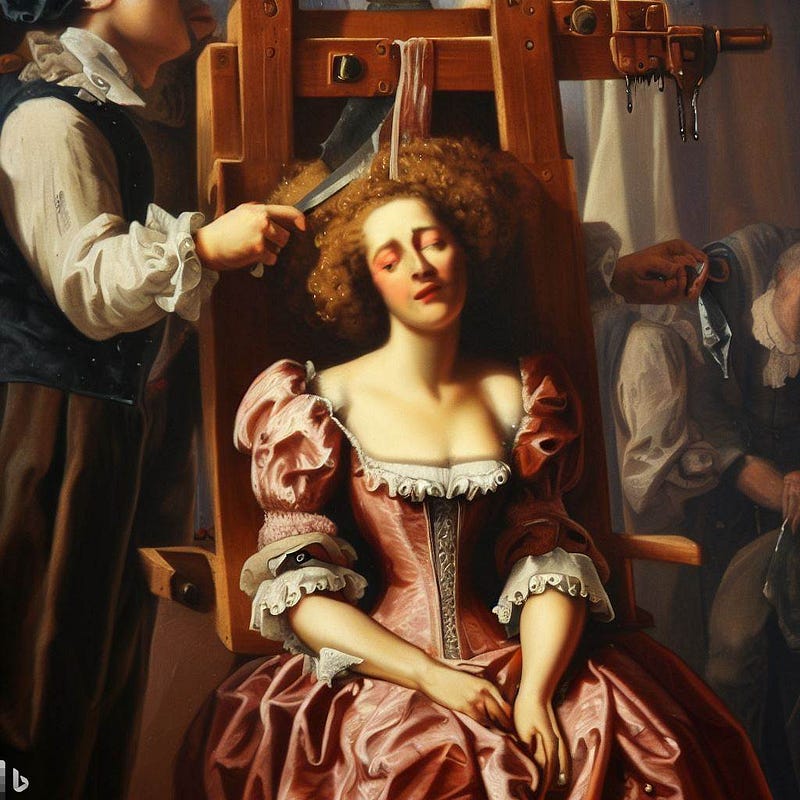
The winter of 1761 was cold and biting, a sharp wind slicing through the streets of Strasbourg. In a modest cottage nestled in the heart of the city, a baby girl was born to a widowed mother. She was christened Anna Maria Grosholtz, but little did anyone know that she would go on to become one of the most renowned wax sculptors in history, known to the world as Madame Tussaud.
Anna Maria grew up in the cottage with her mother, a housekeeper for a prominent physician. Despite their meager circumstances, Anna Maria was captivated by the beauty of the world around her. She would spend hours wandering through the streets of Strasbourg, her eyes drinking in the details of the buildings, the people, and the objects that filled her world.
One day, while on her explorations, Anna Maria stumbled upon her uncle Philippe Curtius, a skilled wax modeler, at work in his studio. The sight of the malleable wax being transformed into lifelike figures ignited a spark of creativity in Anna Maria’s soul. She became entranced by her uncle’s artistry and begged him to teach her the craft.
Philippe, recognizing his niece’s natural talent, took her under his wing and began to instruct her in the delicate art of wax sculpting. Anna Maria was a quick learner, her fingers deftly shaping the wax into exquisite forms. She developed an unerring eye for detail and a keen sense of proportion, honing her skills under her uncle’s tutelage.
As she grew older, Anna Maria’s talent blossomed, and her reputation as a skilled wax sculptor spread. Her works were eagerly sought after by the elite of Strasbourg, and she gained a following of admirers who were captivated by her uncanny ability to capture the likeness of her subjects.
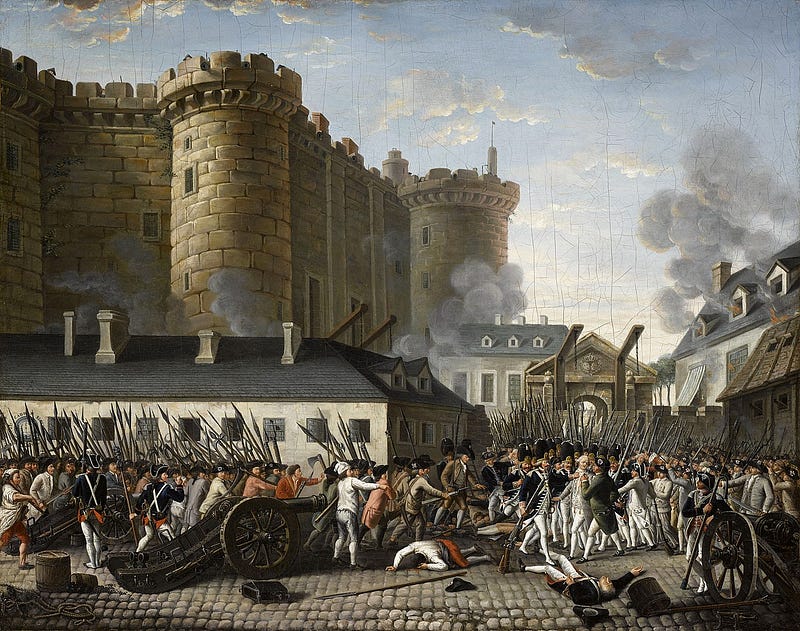
But fate had more in store for Anna Maria. In 1789, the winds of revolution swept across France, and the streets of Paris ran red with the blood of the aristocracy. Philippe, who had moved to the French capital, found himself in the midst of the turmoil, and Anna Maria followed him, eager to be a part of the historical events that were unfolding.
In Paris, Anna Maria’s skills were put to gruesome and macabre use. She was commissioned to create wax sculptures of the guillotined victims of the revolution, including King Louis XVI and Queen Marie Antoinette. With her heart heavy and her hands steady, she set about her work, painstakingly recreating the faces of the deceased from descriptions and sketches.
But Anna Maria’s quest for realism didn’t stop there. Rumors circulated that she went to the guillotine site herself, collecting the severed heads of the executed victims to use as models for her sculptures. Some whispered that she had even witnessed the grisly executions firsthand, her eyes unflinching as the blade fell.
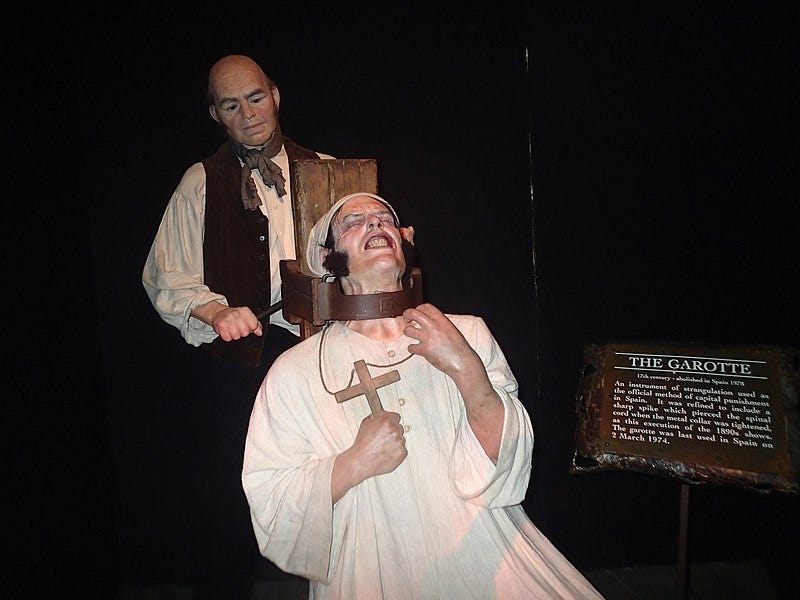
Despite the horrors of the revolution, Anna Maria’s work gained widespread acclaim. Her “Chamber of Horrors” became a sensation, drawing crowds of curious onlookers who were both fascinated and repulsed by her lifelike recreations of the revolution’s victims. Her reputation grew, and she became known as Madame Tussaud, a name that would echo through history.
But Madame Tussaud’s life was not all grim and macabre. She had a keen eye for celebrity, and she used her talent to create wax sculptures of prominent figures of the time, from politicians to actors to literary giants. Her exhibits became a must-see attraction for both the commoners and the aristocracy, and her museum became a symbol of the new world that was emerging from the ashes of the revolution.
As the years passed, Madame Tussaud’s legacy grew, and her museum expanded beyond Paris. She traveled across Europe, showcasing her wax sculptures in major cities, drawing crowds wherever she went. Her exhibitions were a marvel to behold, with lifelike representations of historical figures and contemporary celebrities that seemed to come to life before the viewers’ eyes.
Madame Tussaud’s work was not limited to wax sculptures alone. She also pioneered the use of animatronics, creating mechanical figures that could move and interact with the audience, adding a new level of spectacle to her exhibits. Her creativity knew no bounds, and she constantly pushed the boundaries of what was possible with her art, captivating audiences with her ingenuity and innovation.
Despite her success, Madame Tussaud remained humble and down-to-earth. She was known for her kind heart and generous spirit, often using her art to raise funds for charitable causes and support those in need. She was respected and admired not only for her artistic talent but also for her compassion and philanthropy.
In her personal life, Madame Tussaud faced many challenges. She experienced personal losses, including the death of her uncle Philippe, who had been her mentor and father figure. She also endured financial setbacks and the pressures of managing a growing business. However, her resilience and determination never wavered, and she continued to push forward, fueled by her unwavering passion for her craft.
As Madame Tussaud entered her golden years, she reflected on her extraordinary life. She had witnessed history in the making, from the revolution that had shaken France to its core to the rise of new cultural movements and technological advancements. She had met and immortalized countless notable figures, from Napoleon Bonaparte to William Shakespeare to Leonardo da Vinci, and her museum had become a cultural institution that would stand the test of time.
In 1850, at the age of 88, Madame Tussaud passed away, leaving behind a legacy that would endure for generations. Her museum, now known as Madame Tussauds, continued to thrive and expand, with branches in major cities around the world. Her wax sculptures remained a testament to her artistic genius, drawing millions of visitors each year who marveled at the lifelike representations of historical and contemporary icons.
Madame Tussaud’s life was a testament to the power of art and creativity to shape the world. Her unwavering dedication to her craft, her ability to capture the essence of her subjects with uncanny accuracy, and her relentless pursuit of innovation made her a true trailblazer in the world of art and entertainment. Her story, from her humble beginnings in Strasbourg to her rise to international fame, was nothing short of remarkable, and her contributions to the world of art and popular culture are indelible.
Madame Tussaud’s life was a fascinating journey of artistic talent, ingenuity, and resilience. Her story, told in the style of a Hemingway novel, captures the essence of her extraordinary life and the impact she had on the world of art and entertainment. Her legacy continues to shine brightly, with her museum and her wax sculptures standing as a testament to her enduring artistic genius. Madame Tussaud will forever be remembered as a true pioneer in the world of wax sculpture and a legend in the annals of history.
There once was a sculptor named Tussaud Whose wax models left folks in awe With heads from the guillotine Her art was quite obscene But her museum was a macabre draw!


