
Macronutrients 101 and Why They Are Important for Women over 40
Macros are important for anyone, but there’s a reason why I’m focusing on macros in my 40s
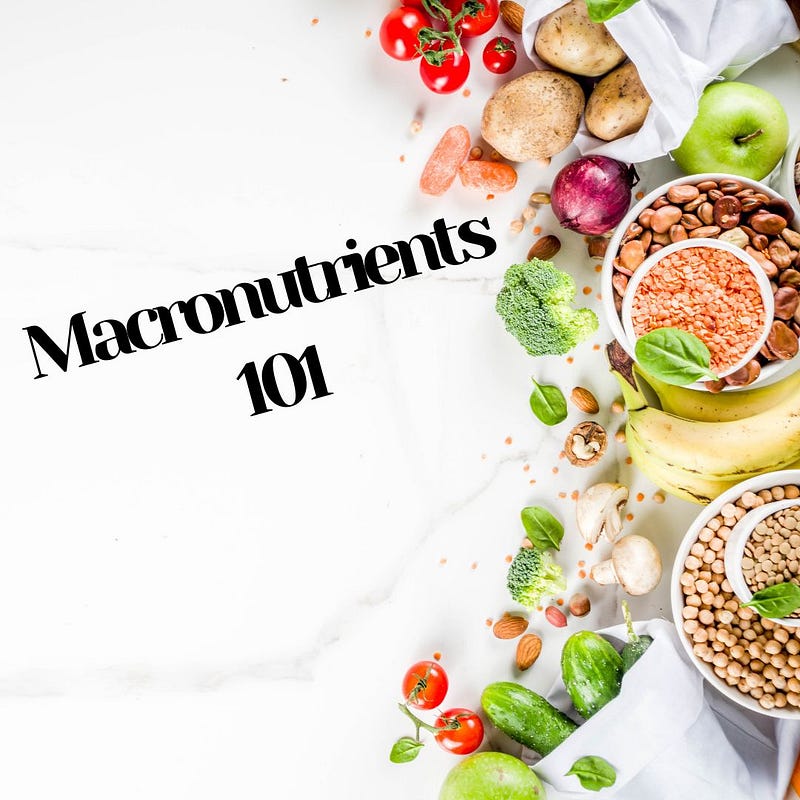
Do you have any idea what people mean when they say the word ‘macronutrients’? That was me years ago. I kinda knew what macros were, but didn’t realize there was a certain balance of macros that a person could maintain for muscle gain, weight loss, etc.
Yeah, me who has been eating healthy for over 20 years. That doesn’t mean I know everything.
About 5 years ago, I started formally educating myself on nutrition through the Insitute of Integrative Nutrition and ISSA (International Sports Sciences Association). I had a friend who successfully did a macro diet to lose a few pounds. That’s when I decided to study macros in particular.
I knew it was something about good nutrition, but had no idea that it was a balance of carbs, protein, and fat. I am a little embarrassed that I didn’t know this at the time, but hey, I am constantly evolving and growing in my knowledge.
I gave myself a pass because I had the curiosity to go out and learn more.
I don’t even look at calories on nutrition labels any more. I go right to the macronutrients and sugar content.
I go for a healthy balance of macros and low sugar for optimal nutrition.
Another thing about me — I am now 49 years old. I know firsthand how important macros are for a woman my age.
As we age our muscle mass begins to decline. For women over 40, they may start to experience peri-menopause. This is the time of a woman’s life when the ovaries start to produce fewer hormones. As estrogen declines, women may feel symptoms such as heavier periods, hot flashes, or sleep problems to name a few.
Macronutrients are important for everyone, but there are some particular reasons I balance my macros based on where I am at in my life. Namely, hormone health and muscle mass. A good balance of macros can support both.
At the end of the article, I’ll share a link where you can explore your individual macronutrient needs.
What are macronutrients
Macronutrients are the main nutrients that give your body energy and help it function. The three macronutrients are carbohydrates, protein, and fat. Eating the right amounts of each one is important for your overall health and energy needs.
Carbohydrates
Carbohydrates include foods like whole grain or seed bread, pasta (preferably alt pasta such as chickpea pasta, and fruits). When you eat carbohydrates, your body breaks them down into glucose. Glucose is a type of sugar that gives your body energy. Carbohydrates should make up 45–65% of your daily calories.
Not all carbs are bad — as you read above, we need them!
Eating the right carbs gives you energy to move, think, and be active. Some healthy carbs are foods like whole grains, brown rice, oatmeal, fruits, starchy vegetables (potatoes and corn), beans, lentils, and naturally low-fat dairy.
Limit sugary and processed carbs as those will drain your energy.
Protein
Protein-rich foods include meat, eggs, fish, nuts, seeds, and beans. Your body uses protein to build muscle, bone, skin, hair, and repair cells. It is also essential for healthy hormones.
Did you read that — I think we all know protein is good for muscles, but did you even know it repairs cells and helps you to have healthier hormones?
Protein should make up 10–35% of your daily calories. Some good protein foods choices are chicken, fish, Greek yogurt, lentils, almonds, cottage cheese, and nut butters.
One of my favorites is cottage cheese with pomegranate seeds and a little bit of pepper.
Another bonus with protein is that it helps you to feel full, which can help with portion control.
Fats (healthy fats)
Don’t pass over this part of the article.
Yes, fats are good for you! You just need to choose healthy fats.
Fat includes foods like oil, butter, nuts, seeds, cheese, and meat. Your body needs fat to help absorb vitamins, build cell walls, and produce hormones.
Yep, fat helps produce hormones!
Fat should make up 20–35% of your daily calories. Some healthy fats include extra virgin olive oil, salmon, avocados, walnuts, pumpkin seeds, flaxseeds, and coconut oil.
I try to include ground flax every single day. Bonus with flaxseeds — help keep you uh hum… regular.
Fat gives you long-lasting energy and helps you feel satisfied after eating.
Don’t shy away from healthy fats my friends!
The percentage of each macronutrient can be different for everyone depending on sex, weight, height, and how much you exercise. If you want to find out what your macronutrient recommendation is, try the precision nutrition macros calculator here.
Eating the right amounts of carbohydrates, protein, and fat will give your body balanced nutrition for overall good health, which is the ultimate goal for a longer (healthier) life.
Try to focus on healthy sources of each macronutrient. Limit sweets and fried or processed foods when you can. Reading nutrition labels can help ensure you make the right choices when buying food to get good amounts of each macronutrient.
Some of my favorite protein products
I add a protein powder to my smoothies for an extra boost of protein — if you want to try the brand I use, here is the link: Garden of Life Organic Vanilla Protein Powder.
Another protein boost I use is BodyHealth. They are amazing protein supplements that I order on repeat. You’ll get pure essential amino acids in a form that is both 99% utilized (3–6x the protein of other sources) and fully absorbed within 20–30 minutes. I take 2 tablets before I go for a jog. Here’s the link: BodyHealth
Some more nutrition reads you might like:
Hey there, I’m Melissa! 🌟 I’m a certified holistic nutrition health coach, personal trainer, and nutrition specialist. I believe that we must learn to love ourselves fully and cultivate a positive relationship with the nutrition that nourishes us. I’m on a mission to guide other incredible women on their journey to health, happiness, and unleashing their own inner badass.
If weekly tips about all of the above ⬆️ would be helpful to your life, then click here and join my Healthier + Happier newsletter. If you don’t love it, unsubscribe.
If you purchase from the links in this post, I may earn an affiliate commission. Thank you!


