avatarGrace 🥀🥀🥀

Free AI web copilot to create summaries, insights and extended knowledge, download it at here

2054

Abstract

gistic Regression

  • Decision Trees
  • Random Forests
  • Support Vector Machines (SVM)
  • Gradient Boosting Machines (GBM)
  • Neural Networks (e.g., Multilayer Perceptrons</i>)</p><h2 id="5886">2. Unsupervised Learning:</h2><figure id="6039"><img src="https://cdn-images-1.readmedium.com/v2/resize:fit:800/1*UwalmUC-i5Ipn6I3mUlXaQ.png"><figcaption><b>Unsupervised Learning:</b></figcaption></figure><p id="5d95"><i>Unsupervised learning algorithms are tasked with uncovering hidden patterns or structures within unlabeled data. Key unsupervised learning techniques include:
  • K-means Clustering
  • Hierarchical Clustering
  • Principal Component Analysis (PCA)
  • t-Distributed Stochastic Neighbor Embedding (t-SNE)
  • Autoencoders
  • Generative Adversarial Networks (GANs)</i></p><figure id="d2d9"><img src="https://cdn-images-1.readmedium.com/v2/resize:fit:800/1*3Ev8p2XT2fXJ0QUEHRKL5g.jpeg"><figcaption><b>Reinforcement Learning:</b></figcaption></figure><h2 id="7e51">3. Reinforcement Learning:</h2><p id="1eb2"><i>Reinforcement learning involves training algorithms to make sequential decisions through trial and error in order to maximize cumulative rewards. Notable reinforcement learning methods include:
  • Q-Learning
  • Deep Q-Networks (DQN)
  • Policy Gradient Methods
  • Actor-Critic Models</i></p><h2 id="a1a1">Choosing the Right Algorithm: Considerations and Trade-offs:</h2><p id="7f5d"><i>Selecting the most appropriate machine learning algorithm for a particular task depends on various factors, including the nature of the problem, the size and quality of the data, computational resources, and interpretability requirements. Each algorithm comes with its own set of advantages, limitations, and trade-offs. For instance:</i></p><h2 id="b97d">- Linear Regression:</h2><p id="63a2"><i>Powerful for capturing complex patterns, but can be computationally intensive and require large amounts of data.</i></p><h2 id="a438">The Role of Feature Engineering and Model Evaluation:</h2><figure id="f546"><img src="https://cdn-images-1.readmedium.c

Options

om/v2/resize:fit:800/1*6Yk53ZovRtH2OV1vellZ_w.png"><figcaption><b>The Role of Feature Engineering and Model Evaluation:</b></figcaption></figure><p id="2d91"><i>In addition to selecting the appropriate algorithm, effective feature engineering and robust model evaluation are critical components of the machine learning pipeline. Feature engineering involves transforming raw data into meaningful features that enhance the predictive performance of models. Techniques such as normalization, dimensionality reduction, and feature scaling play a pivotal role in this process</i>.</p><p id="b1c4"><i>Model evaluation techniques, such as cross-validation, precision-recall curves, and confusion matrices, enable practitioners to assess the generalization performance of machine learning models and identify potential areas for improvement.</i></p><h2 id="4caa">The Future of Machine Learning: Challenges and Opportunities</h2><figure id="8d2c"><img src="https://cdn-images-1.readmedium.com/v2/resize:fit:800/1*geJH25E5Fv3lfgusj_-gGw.png"><figcaption><b>The Future of Machine Learning: Challenges and Opportunities</b></figcaption></figure><p id="c8d0"><i>As machine learning continues to evolve, several challenges and opportunities lie on the horizon. These include addressing issues of bias and fairness in algorithms, enhancing interpretability and transparency, scaling machine learning systems to handle massive datasets, and advancing the frontiers of deep learning and reinforcement learning.</i></p><p id="2ea5"><i>In conclusion, machine learning algorithms and techniques represent a powerful toolkit for unlocking insights from data and driving innovation across diverse domains, from healthcare and finance to retail and beyond. By understanding the strengths and limitations of different algorithms and embracing a data-driven mindset, organizations can harness the transformative potential of machine learning to solve complex problems and shape the future of technology and society.</i></p><h1 id="fd85">Thanks for reading!</h1></article></body>

Machine Learning Algorithms and Techniques: Unraveling the Magic

Machine Learning Algorithms and Techniques: Unraveling the Magic

In today's data-driven world, the realm of machine learning stands as a beacon of innovation and insight. As the volume and complexity of data surge exponentially, the demand for intelligent systems capable of extracting meaningful patterns and predictions has never been more pressing. At the heart of this technological revolution lie a plethora of machine learning algorithms and techniques, each with its own unique strengths and applications.

Understanding Machine Learning: A Primer:

Understanding Machine Learning: A Primer:

Machine learning is a subset of artificial intelligence (AI) that empowers systems to learn from data and improve over time without explicit programming. It encompasses a diverse array of algorithms and techniques designed to enable computers to perform tasks autonomously, such as classification, regression, clustering, and reinforcement learning.

The Landscape of Machine Learning Algorithms:
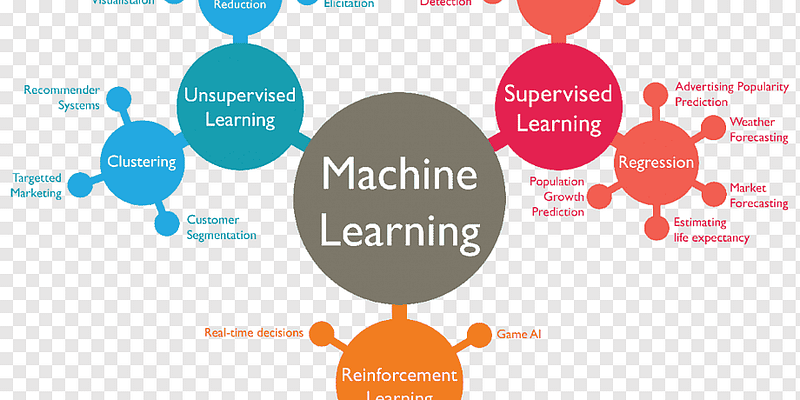
Machine learning algorithms can be broadly categorized into three main types: supervised learning, unsupervised learning, and reinforcement learning.

1. Supervised Learning:

In supervised learning, algorithms learn from labeled data, where each input is associated with a corresponding output label. Popular supervised learning algorithms include: - Linear Regression - Logistic Regression - Decision Trees - Random Forests - Support Vector Machines (SVM) - Gradient Boosting Machines (GBM) - Neural Networks (e.g., Multilayer Perceptrons)

2. Unsupervised Learning:
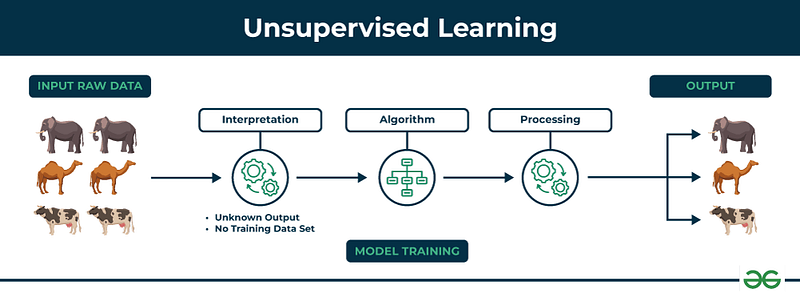
Unsupervised Learning:

Unsupervised learning algorithms are tasked with uncovering hidden patterns or structures within unlabeled data. Key unsupervised learning techniques include: - K-means Clustering - Hierarchical Clustering - Principal Component Analysis (PCA) - t-Distributed Stochastic Neighbor Embedding (t-SNE) - Autoencoders - Generative Adversarial Networks (GANs)
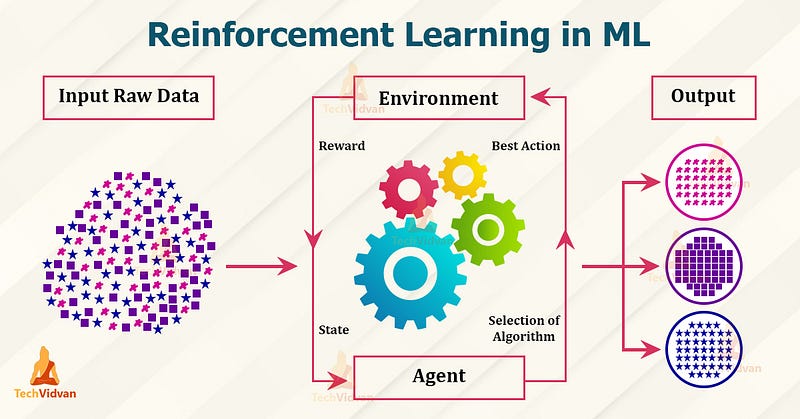
Reinforcement Learning:

3. Reinforcement Learning:

Reinforcement learning involves training algorithms to make sequential decisions through trial and error in order to maximize cumulative rewards. Notable reinforcement learning methods include: - Q-Learning - Deep Q-Networks (DQN) - Policy Gradient Methods - Actor-Critic Models

Choosing the Right Algorithm: Considerations and Trade-offs:

Selecting the most appropriate machine learning algorithm for a particular task depends on various factors, including the nature of the problem, the size and quality of the data, computational resources, and interpretability requirements. Each algorithm comes with its own set of advantages, limitations, and trade-offs. For instance:

- Linear Regression:

Powerful for capturing complex patterns, but can be computationally intensive and require large amounts of data.

The Role of Feature Engineering and Model Evaluation:
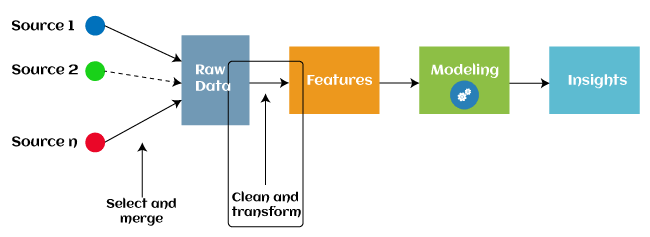
The Role of Feature Engineering and Model Evaluation:

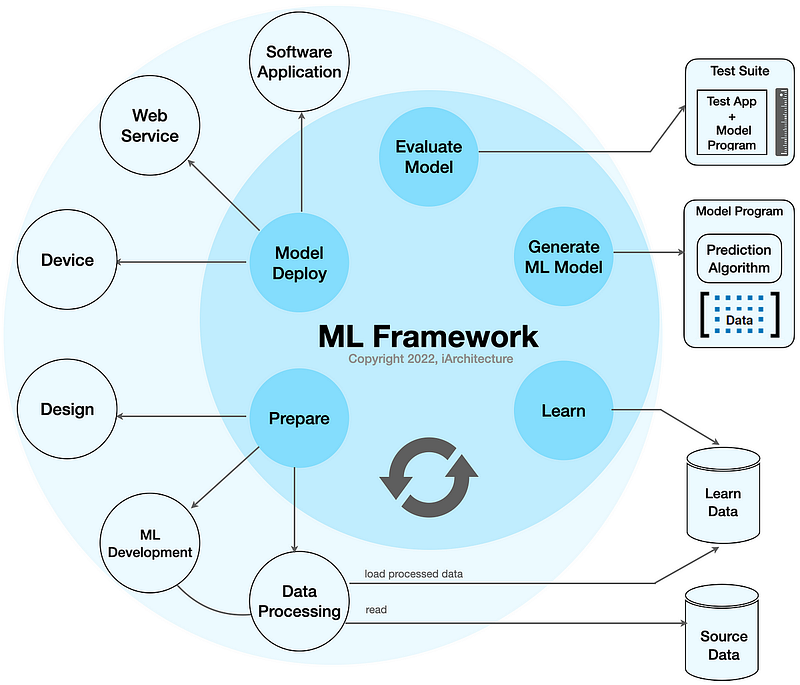
In addition to selecting the appropriate algorithm, effective feature engineering and robust model evaluation are critical components of the machine learning pipeline. Feature engineering involves transforming raw data into meaningful features that enhance the predictive performance of models. Techniques such as normalization, dimensionality reduction, and feature scaling play a pivotal role in this process.

Model evaluation techniques, such as cross-validation, precision-recall curves, and confusion matrices, enable practitioners to assess the generalization performance of machine learning models and identify potential areas for improvement.

The Future of Machine Learning: Challenges and Opportunities

The Future of Machine Learning: Challenges and Opportunities

As machine learning continues to evolve, several challenges and opportunities lie on the horizon. These include addressing issues of bias and fairness in algorithms, enhancing interpretability and transparency, scaling machine learning systems to handle massive datasets, and advancing the frontiers of deep learning and reinforcement learning.

In conclusion, machine learning algorithms and techniques represent a powerful toolkit for unlocking insights from data and driving innovation across diverse domains, from healthcare and finance to retail and beyond. By understanding the strengths and limitations of different algorithms and embracing a data-driven mindset, organizations can harness the transformative potential of machine learning to solve complex problems and shape the future of technology and society.

Thanks for reading!

Deep Learning
Classification
Model Evaluation
Big Data
Ml Model Deployment
Recommended from ReadMedium