avatarMax Deutsch

Free AI web copilot to create summaries, insights and extended knowledge, download it at here

1113

Abstract

figure><p id="f169">Basically, a plaintext file with the name of the frame next to the corresponding steering angle, separated by a space.</p><p id="1bd5">This seemed straightforward enough — but, there was a problem:</p><p id="942d">When I opened the <i>steering.csv</i> file, none of the timestamps in the file matched the timestamps of the JPEG frames. I thought I was perhaps overlooking something…</p><p id="e527">So, I went through the JPEGs and copied the first couple frame numbers.</p><figure id="3224"><img src="https://cdn-images-1.readmedium.com/v2/resize:fit:800/1*fjZSHD0epHXS_GkA5yYfGg.png"><figcaption></figcaption></figure><p id="5bf5">Then, I individually searched the CSV for these particular frame numbers, but they didn’t exist…</p><figure id="f41a"><img src="https://cdn-images-1.readmedium.com/v2/resize:fit:800/1*OOkepB5kDzKPfZ9EPk4etg.png"><figcaption></figcaption></figure><p id="651e">This was a problem.</p><p id="6c1f">If I couldn’t match the images to the driving data, the dataset becomes completely useless.</p><p id="36cc">Luckily, I had the not-so-brilliant idea of opening the ot

Options

her CSVs in the Udacity dataset (just to see what else there was), and eventually opened the <i>interpolated.csv</i>, which features all the data in one place <i>AND</i> matches all this data to the timestamps on the images perfectly.</p><p id="7d24">So, I was back in luck.</p><figure id="675f"><img src="https://cdn-images-1.readmedium.com/v2/resize:fit:800/1*wRXnTR6W38GoI7lvqlt2Ww.png"><figcaption></figcaption></figure><p id="5e62">I extracted the data I needed, created the data.txt file, and started training the model.</p><figure id="24d4"><img src="https://cdn-images-1.readmedium.com/v2/resize:fit:800/1*TXMAR_V1NYqXinLaU0AlNg.png"><figcaption></figcaption></figure><p id="02b8">This will likely take all night, so we will check in on it tomorrow.</p><p id="78ae" type="7">Read the next post. Read the previous post.</p><h2 id="9e19">Max Deutsch is an obsessive learner, product builder, guinea pig for Month to Master, and founder at Openmind.</h2><h2 id="1e64">If you want to follow along with Max’s year-long accelerated learning project, make sure to follow this Medium account.</h2></article></body>

M2M Day 199: At first, I thought it was completely useless

This post is part of Month to Master, a 12-month accelerated learning project. For May, my goal is to build the software part of a self-driving car.

Yesterday, I cracked the Udacity dataset…
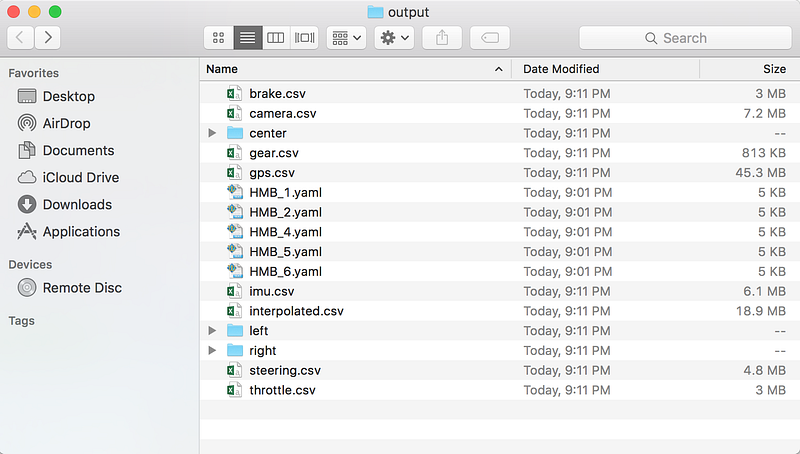
So, today, the plan was to reformat/prepare the data, and then start training the self-driving car model.

I decided to just model steering angle for now, as a first step. If that goes well, I’ll try to expand the model to include both throttle and breaking.

To prepare the data, I needed to create a data.txt file that looks something like this:
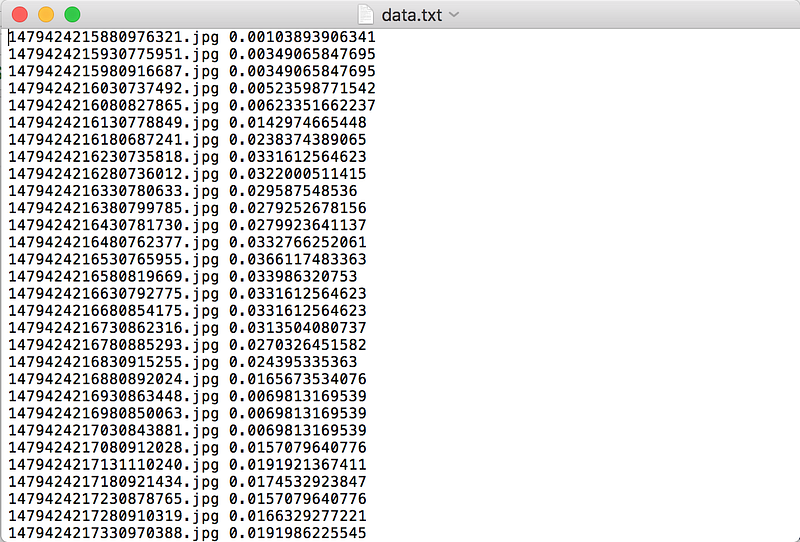
Basically, a plaintext file with the name of the frame next to the corresponding steering angle, separated by a space.

This seemed straightforward enough — but, there was a problem:

When I opened the steering.csv file, none of the timestamps in the file matched the timestamps of the JPEG frames. I thought I was perhaps overlooking something…

So, I went through the JPEGs and copied the first couple frame numbers.
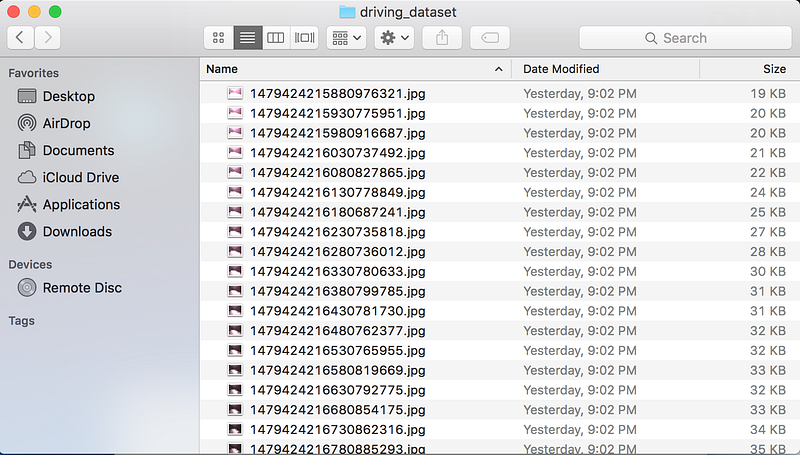
Then, I individually searched the CSV for these particular frame numbers, but they didn’t exist…
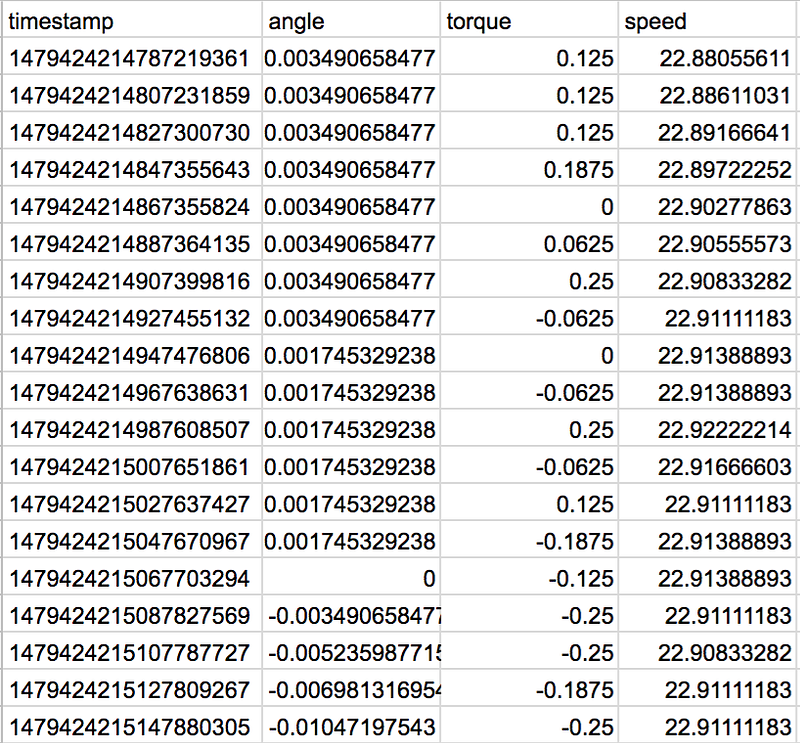
This was a problem.

If I couldn’t match the images to the driving data, the dataset becomes completely useless.

Luckily, I had the not-so-brilliant idea of opening the other CSVs in the Udacity dataset (just to see what else there was), and eventually opened the interpolated.csv, which features all the data in one place AND matches all this data to the timestamps on the images perfectly.

So, I was back in luck.
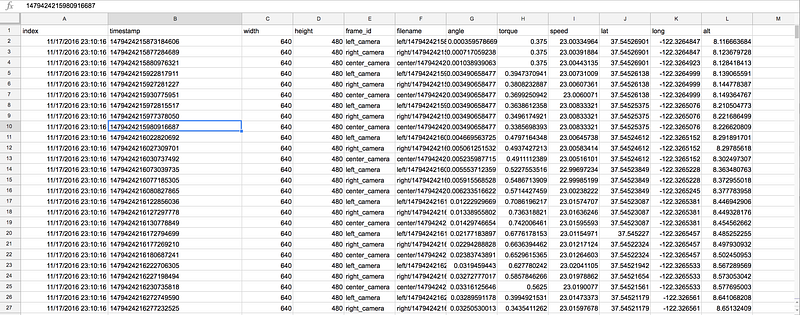
I extracted the data I needed, created the data.txt file, and started training the model.
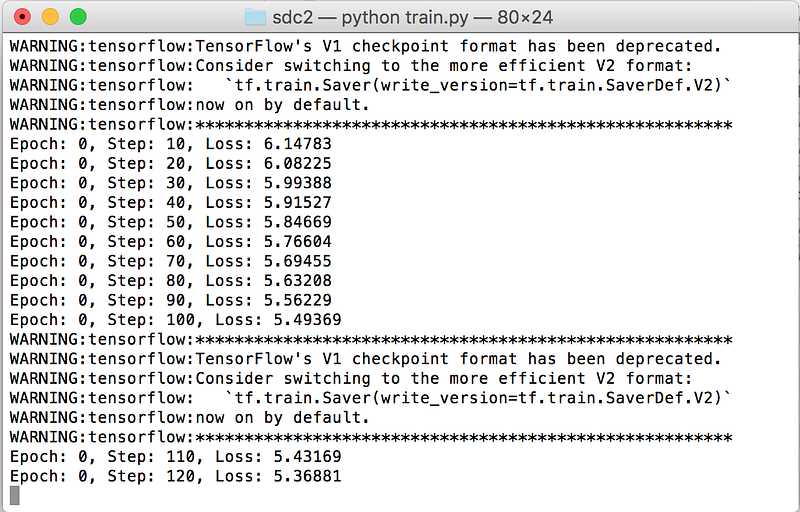
This will likely take all night, so we will check in on it tomorrow.

Read the next post. Read the previous post.

Max Deutsch is an obsessive learner, product builder, guinea pig for Month to Master, and founder at Openmind.

If you want to follow along with Max’s year-long accelerated learning project, make sure to follow this Medium account.

Life
Learning
Self Driving Cars
Machine Learning
Life Hacking
Recommended from ReadMedium