avatarCam

Summary

The website content is a poetic reflection inspired by the works of Shakespeare and Walt Whitman, depicting a mystical world through vivid natural imagery and a connection to literary history.

Abstract

The text titled "Lule" draws inspiration from the literary giants Shakespeare and Walt Whitman, presenting a rich tapestry of nature and folklore. It paints a dreamlike landscape where animals and mythical creatures are personified, and natural elements are given a voice to tell their ancient stories. The narrative weaves through scenes of forest creatures, fairy births, and the archiving of their lore, to the undines of the water, merging the fantastical with the ecological. The author reflects on their own role in this tapestry, considering their words as a mere drop in the vast ocean of literary history, yet acknowledging the impact of their contribution. The text concludes with a humble request not to be saved from the burning passion of creation, likening their work to a bouquet meant to be shared and woven into the fabric of existence.

Opinions

  • The author views their work as a small but significant part of the larger literary tradition, acknowledging the weight of history while contributing their own voice.
  • There is a reverence for nature and its mythical inhabitants, suggesting a deep connection and respect for the environment and its stories.
  • The text conveys a sense of continuity and timelessness, with the past and present intertwined through the act of storytelling and archiving.
  • The author seems to embrace the idea of their work being ephemeral and shared, rather than preserved in isolation.
  • The imagery used throughout the text suggests a world where every creature and element has a story worth telling and preserving.

Lule

Inspired by the works of Shakespeare and Walt Whitman
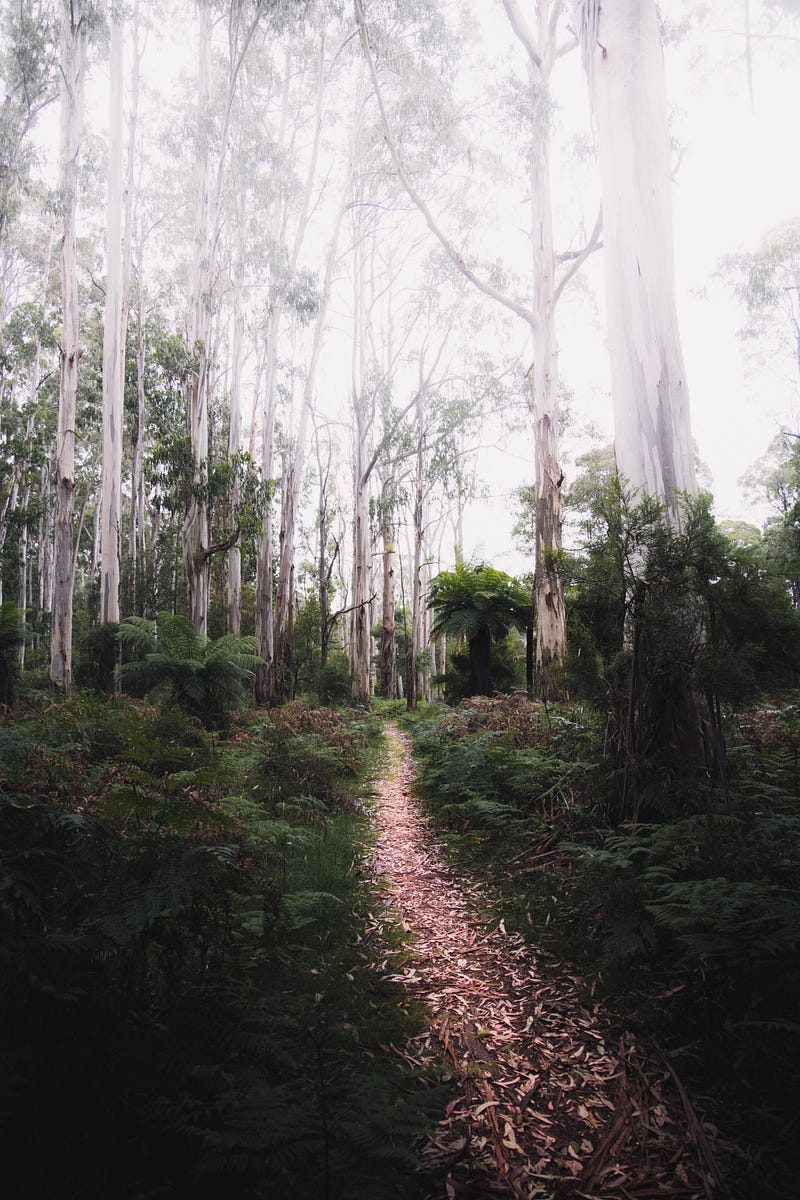
Photo by Pat Whelen on Unsplash

And in this phantasm, flu-dream: the slender hind, oak-bodied elk trumpets out in the foggy elms, soak-mossed and frog-hailed, weeping of their tribulations from the fires of ages, horns scorched by human thunder;

an archivist owl scribes down every fairy birth in the willows, recipes for elf-balm and shot-heal, gossip from the rabbit den, chittering of new twigs and thistles, renunciations of cursed hounds never to heel at the beck of another master but to wander, lost, a bastard race to die in the crack-hallow pines;

undines diving, caked with frond and froth in the wind-swept hollow, their ponds pith and pitch with soot, sooth-saying of shipwrecks on far-tossed shores, dreaming of mergirls with pearl eyes and pebble teeth, to comb cockles from their hair, to kiss the breath of sailor death into their dark backwater mouths;

a grain of sand, a cup of tea, misery lamented, one dark drop of ink on a fingertip — my words so described - to smudge the tabletop of time with my twittering tremble, to darken the halls of the ancients, buffed gleaming like dagger of Romeo’s doom, with my step - so hesitant, a quaver, like hoof before harpoon - seems sacrilege.

Do not send Dickenson’s Fire Brigade for me. These words will musk and oleander like a bouquet: better to spread for the birds to pick and weave into a cradle.

Writing
Poetry On Medium
Shakespeare
Walt Whitman
Fairy Tale
Recommended from ReadMedium