
Supporting Loved Ones in the Hospital
When Perfect Solutions Do Not Exist, Love Finds a Way
I awoke with a text message from my brother, “Did Kathy call you?”
Checking my phone, “No, she did not, but she texted that I should call her.” Within a minute I had her on the phone and learned Dad traveled by ambulance to emergency about six in the morning, possibly with pneumonia.
Questions pushed panic buttons in my mind. Why did Kathy remain at home? What symptoms produced the diagnosis? How is he doing now? What room is he in?
Each became answered with a simple statement, “Brenda, because of coronavirus they wouldn’t let me go with him. Told me to say home and they would call.”
That occurred two hours earlier so there we sat — waiting.
Accepting the Unacceptable
Moments of unknown produce my breaking point. No matter how awful the prognosis, there are choices. Even with limited options, an outline for the next step, the next hour, or the next day develops.
A human mind accepts even the unacceptable when it is identified, but the unknown inflates fear, unbalances equilibrium and distorts reality. As irrational thoughts invaded my subconscious, more questions evolved. Does he have a temperature? Could it be COVID-19? Did I expose him? Did he expose me? Should I isolate? How might the virus effect my 10 month old granddaughter?
So as everyone does when questions need answers, I Googled “coronavirus.” Bad idea! Do not (ever) use the internet to research a disease. The information provided contradictions, worst case scenarios, frightening predictions, and false information.
I turned off the computer and waited.
Feelings of Helplessness
During the next five days Dad remained alone in the hospital. Illnesses haunted our family in the past, and I always planted myself beside the hospital bed channeling Florence Nightingale. Trust issues forced me to swab dry lips, ask questions, and in general, monitor events.
However, this was different. Not only could I not sit beside Dad’s bed, I couldn’t talk to him or anyone else from the institution, until they chose to contact me. The building became a fortress barring my entrance.
Late in the afternoon of the first day, a kind nurse called to provide an update. Dad was stable. They awaited test results, and for the present, he resided in an isolation room with coronavirus procedures in place. I pictured him in bed wondering why his family deserted him, speculating why the nursing staff dressed in protective attire, doubting he would ever go home again.
The next day while someone held a phone to his ear, he breathed, “Get — me- out!” It wasn’t a request but a demand. Based on previous experiences, I knew Dad became disoriented when in the hospital. By this time I feared a healthy recovery would require support of his mind more than medicine for his body.
Options Explored
Approximately 24 hours after Dad was admitted to the hospital, his coronavirus test came back negative allowing him to be moved to a regular room and us to relax a little. As the unknowns became defined, (He did have pneumonia.) we devised a plan for his recovery.
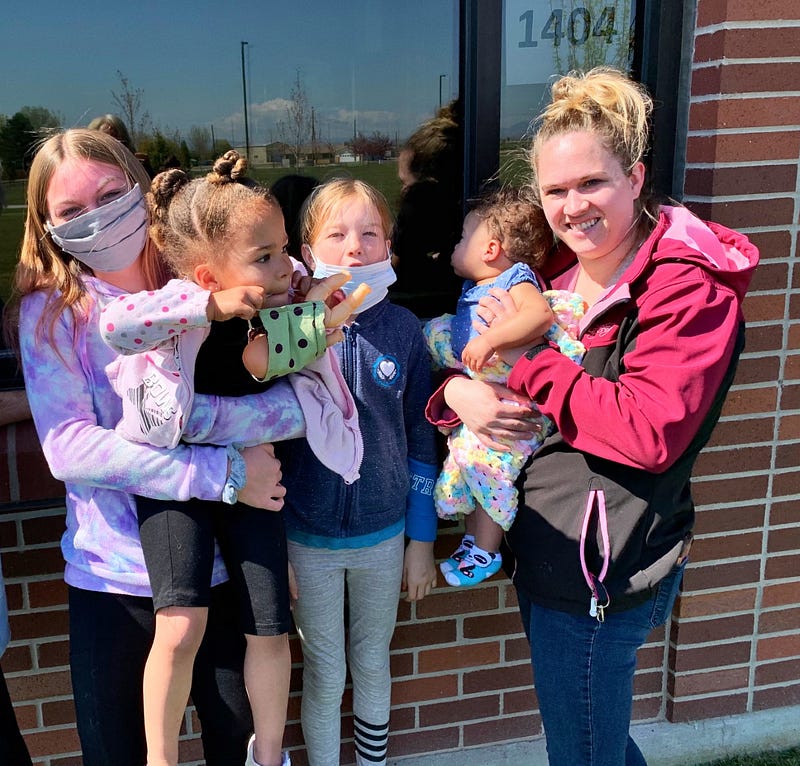
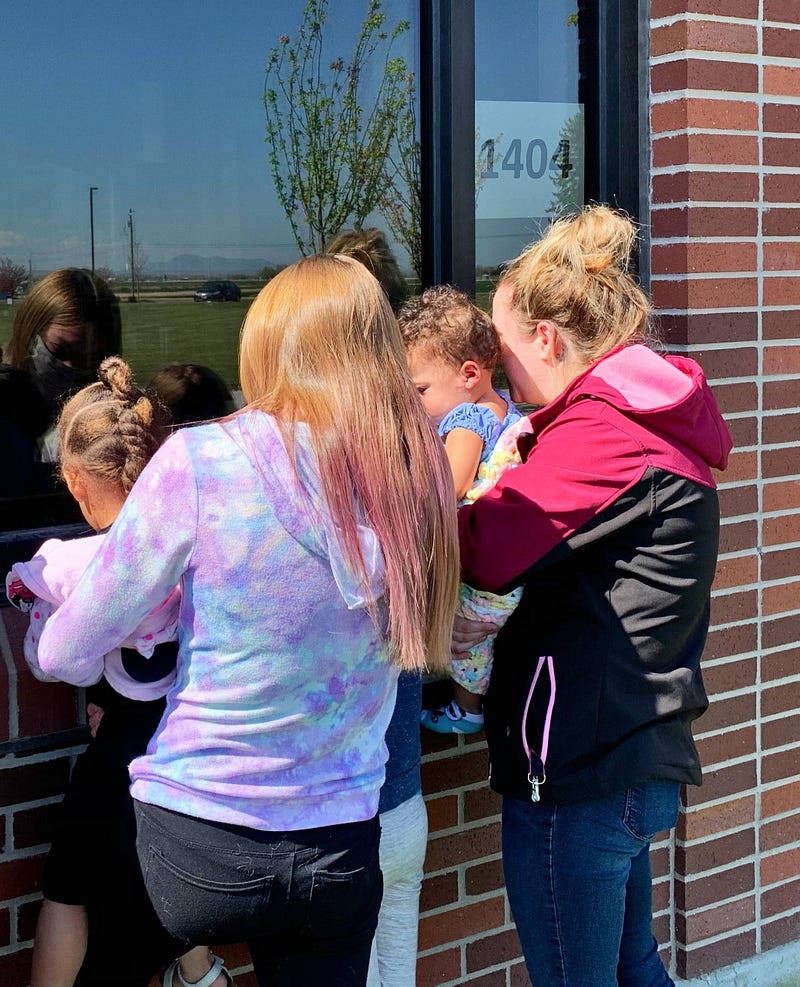
- Offer Hope: Since it was a small town hospital with only two stories, we were able to visit him on the third day by standing outside his window. His first smile came when his great-granddaughters waved and taped colored pictures to the pane. Prior to that I believe Dad had resigned himself that he would never come home.
- Provide Positive Affirmations: Dad’s demeanor reflected an attitude of hopelessness. He cheered during our short visits through the window but didn’t possess the energy to maintain a positive outlook. His mind played tricks, convincing him that his family abandoned him. Each time anyone spoke to him we reiterated our love, provided assurances that he had a home and his truck was still parked at the farm, prompted him to share what he desired to do when he got out of the hospital, and reminded him of what the future offered.
- Convey Familiar Interests: One evening a nurse called to share Dad was confused and agitated. We asked for the TV to be tuned to game shows because he enjoys watching them at home. Knowing his sweet tooth, we suggested providing food with sugar that fit his diet requirements. Sweets soothe him like a pacifier to an infant. We shared the names of his grandchildren and great grandchildren so the staff could ask him about family. And we recommended they place his shoes where he can see them. Since Dad feared never being allowed to leave, having his shoes available provided assurance that hope of going home existed. (Again, knowledge gained from a past experience.)
- Communicate with Doctors: Due to the virus, communication proved difficult. Warm weather blessed endeavors as I planted myself in a chair outside his window and read a book until the doctor arrived. On more than one occasion, the doctor or a nurse met me on the grass where we donned our facemasks, stood six feet apart and discussed Dad’s situation. This was in addition to several phone conferences but offered support to talk with someone face-to-face.
Every situation is different, and we felt fortunate to have many variables work in our favor. But ultimately, when a loved one is in the hospital during this difficult time (especially if they are resistant patients) it is important to enlist the support of all stakeholders. Individuals working in the medical field care and want to meet the needs of those they serve. One person may not have all the answers but many resources are available: clergy, social workers, nurses, doctors, etc.
As the family of a patient, be willing to express your needs because my experience showed me people are receptive and supportive when they are approached with respect and compassion.
Dad was released after a week. (Released seem like an appropriate term since he insisted he had been sentenced to jail). The days challenged us but we learned to control what we could, trust others, and ask for help when needed. We learned to navigate the new normal. We were required to think outside the box but with the support of the hospital staff and hospice, Dad returned to my home until he was strong enough to join his caretaker at their home.
Read more stories about Dad’s experience and how a family can share love during the pandemic.