
Nature
Love is in the Water
Get ready ladies, your fellas are on the way
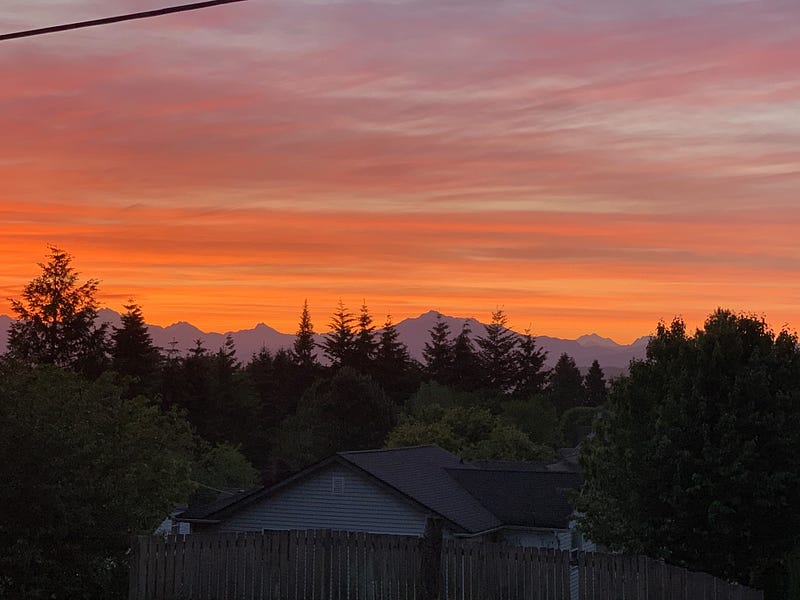
Something was different on my morning walk today. It was quiet. Well, not entirely quiet as there were lots of birds chirping including a few seagull cries and a distinctive warbling in one area of our neighborhood that my wife and I can’t quite identify; perhaps a dove or quail?
No there was plenty of the regular noise. The faint echo of cars in the distance as people start their commute and even some croaks from the frogs in a marshy area. But there was one suspiciously absent sound.
The barks of sea lions.
They were there yesterday, and the day before. In fact, I have heard them every day in the morning for sure, but often throughout the day, ever since the end of August last year.
When we first moved into our little rental house just a few hundred feet away from a park overlooking the Port of Everett, its Naval Base and Puget Sound, we marveled at the seemingly incessant sounds of the sea lions.
Occasionally, when the wind or acoustics are just right, they sound like they might be in the front yard. Other times it is fainter. We can’t quite see them from the park. They haul out on the rocks that slope away from the port into the water, and the angle makes viewing impossible. But you can sure hear them.
They have a lot to say and say it frequently.
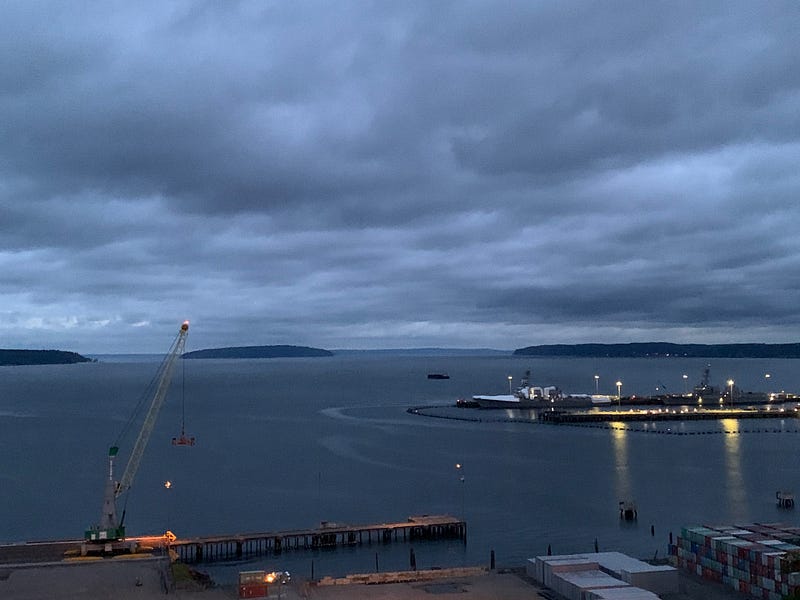
The first year we lived here we noticed at some point that the sound stopped. At first, we worried that their presence was random and transient, and that once they left, they were gone for good.
So, we did some research. It turns out that the male California Sea Lion prefers to forage in colder waters to the north of their breeding grounds during the winter months. They leave the females to raise the pups in the warmer waters near the breeding rookeries.
Apparently, there are over 1,000 of the adult males that call Puget Sound home and the Port of Everett is one of several haul out areas where the males rest between hunting sessions in deeper water.
Then, sometime around the end of May the boys pack up and head back south to the coast of California, or perhaps further down to Mexico to find females with which to mate. The males show up in time to provide some protection for mothers giving birth, then mating begins approximately three weeks later. The gestation period is 11 months.
While on the surface it seems like a rather dispassionate, love ’em and leave ’em arrangement, it is likely more about the availability of food. Four or five decades ago the males did not migrate, or often not as far at least. However, the males leaving the area after mating season allows for them to forage in open waters far from the area where the females are nursing pups. This leaves a more ready food supply for the females and pups that can’t travel as far.
Setting practicalities aside though, when the boys begin to return in late August my wife and I like to joke about how their September conversations mostly revolve around all the hot chicks they met while they were in California, “Did you see the gorgeous blond with the nice flippers?”
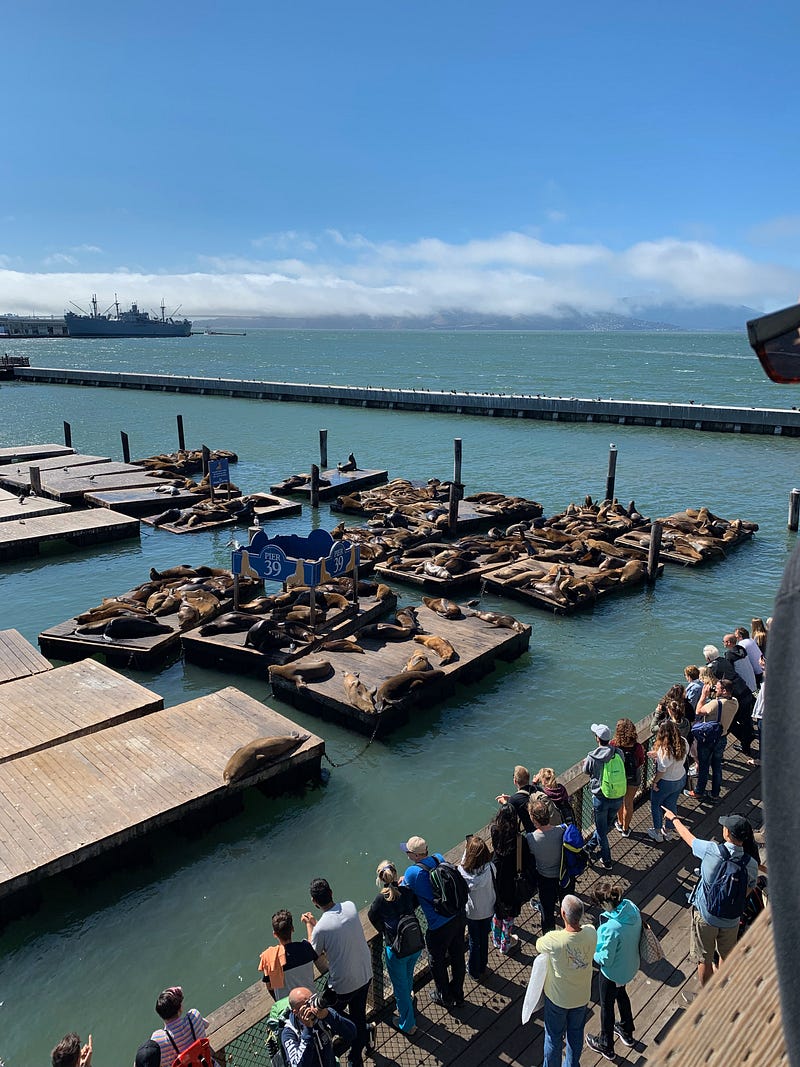
Meanwhile I suppose the ladies are doing the same thing somewhere along the California coast, “Oh that one fella was so handsome…”. And, “I hope he gets his father’s fur.”
So, we have a silent summer ahead here in the northwest. Then in a few months they will return. The weather is usually warm enough to have the windows open then. One evening in August we will be fixing dinner, or perhaps sitting on the front porch, and we will hear the first barks of fall. The boys will be back.
And they will have a lot to say.
If you liked this article, you may also like:
Timothy Key spent over 26 years in the fire service as a firefighter/paramedic and various fire chief management roles. He firmly believes that bad managers destroy more than companies, and good managers create a passion that is contagious. Compassion, grace and gratitude drive the world; or at least they should. Follow me on Instagram, Facebook, and Twitter, and join the mail list.


