
Losing Touch In Medicine-
One more thing COVID steals
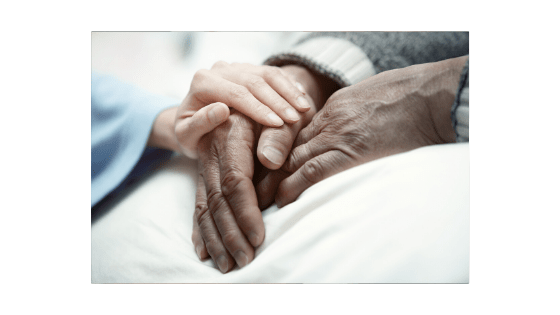
Touch. It is one of the singular most powerful sensations in the human experience. Through touch, we can calm or incite, soothe or awaken, bond or betray. We can lash out with it to harm, or we can extend it as a source of love. It ordains. It blesses. It heals.
Touch alters the neurochemistry of our brains, dropping cortisol levels when used to comfort or, when experienced in a consensual manner, flooding our synapses with neurotransmitters like oxytocin. It is a documented physical need without which babies fail to thrive. They wither away starved of human connection.
Touch has power. In its every form, it raises the stakes. It is so intensely personal that specific social mores and customs surround its use, and a violation of these rules is considered a grave offense. Nevertheless, in medicine, there exists a fascinating phenomenon whereby all those social constructs disappear into thin air. Poof. I can ask a complete stranger confidential questions about his or her health and social activities, things to which even their family members aren’t privy, and they will dutifully answer. I can ask them to disrobe for an examination, and they will comply. I can touch them. I can feel their abdomen, listen to their heart and lungs, examine their various other organ systems.
The dynamic exists so I may help them. They understand that I have taken an oath, “do no harm,” and I can be trusted. In addition to its diagnostic utility, I believe in the healing capacity of compassionate touch. Herein lies the intimacy between physician and patient. As Dr. Abraham Verghese describes it, these are the rituals that transform the dynamic into something more.
I remember learning it throughout medical school; the medicine patient, the surgery patient, the obstetric patient. I see it now in my encounters as an anesthesiologist; a relaxing of tensed muscles, a hesitant smile, the stilling of tears. Some evidence emerges to suggest an ebbing of the fears surrounding the surgical procedure ahead. I have also experienced this dynamic from the perspective of a patient; how it feels to be touched or not touched in the setting of suffering.
Those of us in medicine are now in a position where touch is being taken away. So that we might do no harm. So we avoid contamination. When hands are finally lain upon patients it is through barriers of latex, tychem suits, and respirator masks, all of which strip away the warmth, compassion, and the power lying between the two sets of skin.
It begs the question: how can one heal without touch? My hope is that in its absence other sensations will become more prominent. I hope patients will take heart in my presence, in the knowledge that people have come to care for them despite the mutual threat we all now pose to one another. I hope they will hear my words and find comfort in them.
I’m grateful for my personal protective equipment, but I look forward to taking it off again one day. I look forward to practicing medicine in an environment where we don’t all fear one another. I look forward to getting my power back and once again laying hands.
Originally published at https://facingmonsters.com on April 3, 2020.


