avatarElizabeth Emerald

Summary

A volunteer at a food pantry describes the challenging transition from indoor to outdoor operations due to the pandemic, which has led to increased workload and strained interactions despite adequate supplies.

Abstract

For 15 years, the author has volunteered at a food pantry, which has seen significant changes due to the COVID-19 pandemic. Previously operating indoors with a manageable number of customers, the pantry now conducts its services outdoors, serving twice as many people while adhering to masking and social distancing protocols. Despite an increase in donations that has left them with a surplus of food, the physical strain of handling heavy items and the impersonal nature of masked, muffled communication has led to a decline in volunteer satisfaction and a rise in frustration. The volunteer, once eager for the pantry's operations to resume after breaks, now finds the work draining and looks forward to days off, indicating a shift from fulfillment to demoralization in the role.

Opinions

  • The author expresses a sense of frustration and physical exhaustion due to the increased demand and the heavy lifting required in the new outdoor setup.
  • There is a palpable sense of loss for the previous, more personal and interactive indoor operations, which have been replaced by less satisfying outdoor transactions.
  • The volunteer admits to a decrease in enthusiasm, now often taking Fridays off and feeling relieved at the prospect of holidays, which was not the case before the pandemic.
  • The author seems to imply that the increased donations, while helpful in meeting the demand, do not compensate for the emotional and physical toll on the volunteers.

Losing Patience

Volunteer crew is overwhelmed and frustrated
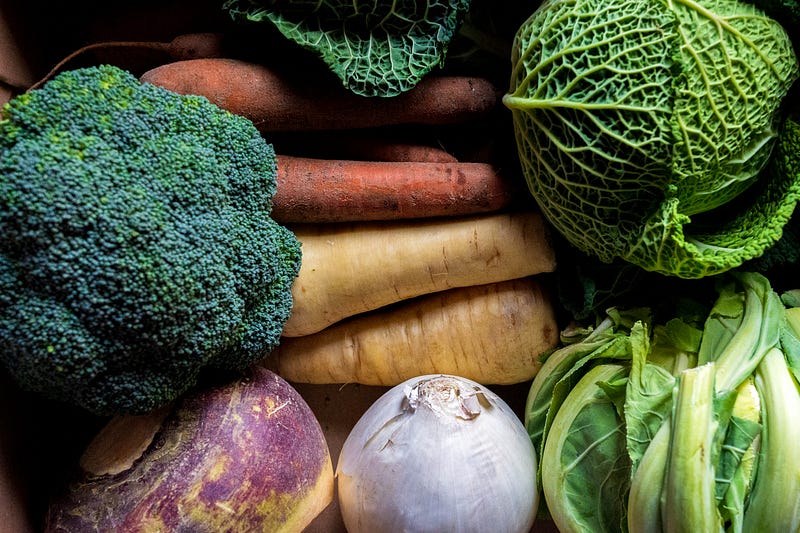
Photo by Nick Fewings on Unsplash

For the past 15 years, I’ve been a volunteer at a food pantry. Prior to the reign of Corona, we served customers indoors. They’d file from station-to-station: first, pre-packed produce; next, a bag of staples and perishables; finally, an array of items from which they could choose.

We served on Wednesdays and Fridays, averaging around 75 customers each day. On a busy day, we would top 100.

For the past 20 months, we’ve operated outdoors. Volunteers and customers are masked. Volume has doubled. Fortunately, thanks to increased donations, there is more than enough to accommodate the influx of patrons. We have a surplus of produce, meats, and staples.

The downside is that we volunteers are continually slinging sacks of potatoes, bags of apples, huge cabbages, three-pound packs of frozen meat, and half-gallons of apple juice (two per customer).

Given our masks, if any of us is smiling across the distribution table, none of us would know it. Voices are muffled; consequently, communication is impaired, and frustration ensues. Tempers are short.

I used to find gratification in interactions with customers and fellow volunteers; now I find it demoralizing. I used to be impatient for operations to resume after the holiday hiatus.

I am not proud to admit that this past season, after I got off duty, drained, on Wednesday, December 29, l was looking forward to having off Friday, New Year’s Eve.

I am even less proud admit that, often as not, I take Fridays off, regardless.

Nonfiction
This Happened To Me
Volunteering
Poverty
Food
Recommended from ReadMedium