
Los Angeles: The 15 Numbers You Need to Know
A numerical tour of the second largest US city
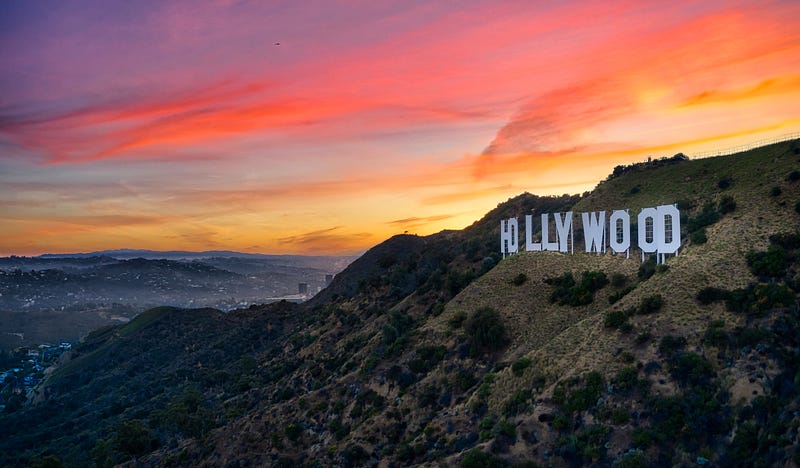
You’ve undoubtedly heard of this place, so no need for a long-winded introduction.
Here are 15 numbers about Los Angeles that help tell its story.
1848
The year Mexico formally ceded a vast swath of territory to the US (after the Mexican-American War). Included, of course, was what is now Los Angeles. Throw in a railroad, the discovery of oil, and an aqueduct, and a lot of people started showing up.
3.9 MILLION
The approximate population of Los Angeles, which puts it at number two in the US behind New York City. Los Angeles County, within which the city is located, has a population of over 10 million, making it the most-populated county in the country — more populated than 40 states — and explaining the area’s well-documented sprawl. The entire metropolitan area has around 13 million residents, and the more encompassing Greater Los Angeles Area has around 18 million (in both cases second to New York).
48
The percent of the population of Los Angeles County that is Hispanic or Latino. Of that group, 76 percent is of Mexican heritage.
224
An estimate of the number of languages spoken in Los Angeles. Daily newspapers can be found in English, Spanish, Korean, and Chinese, and multiple other languages are represented in smaller and less frequent publications. All that diversity also translates into some great eats.
63,706
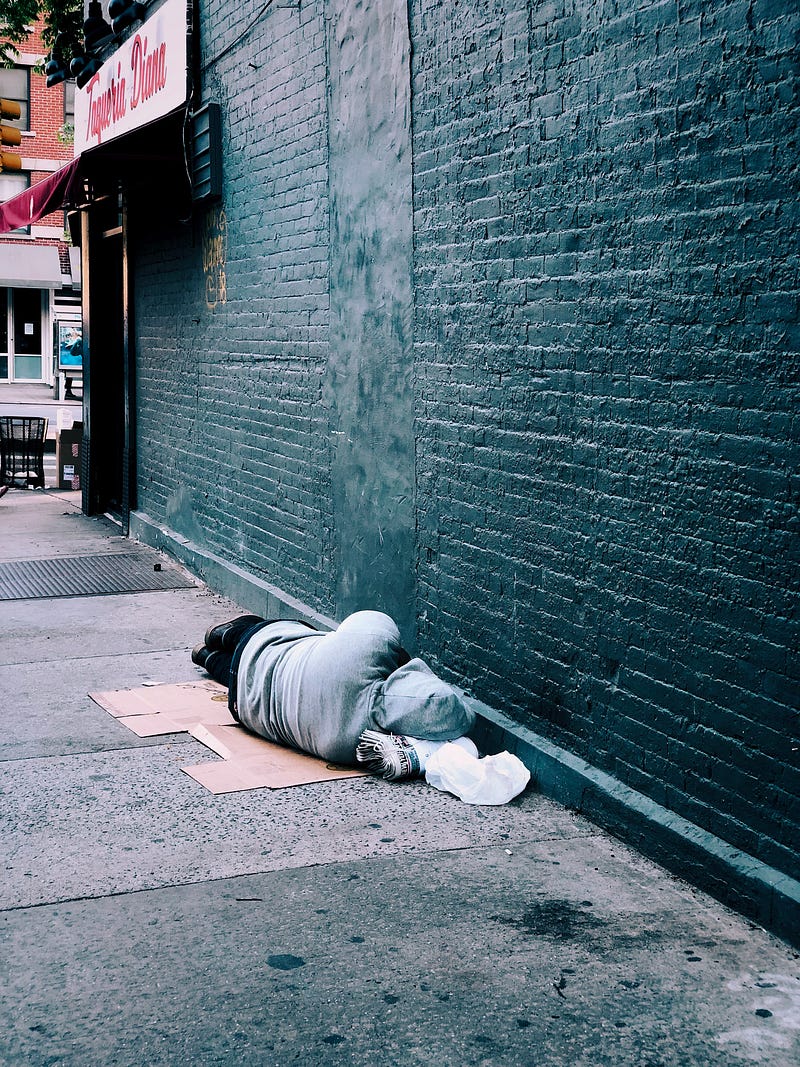
An estimate of the number of homeless in Los Angeles County, less than New York City though still almost 11 percent of the entire homeless population in the US.
1.13 TRILLION
The GDP of Los Angeles in US dollars in 2021, third among metropolitan areas worldwide after Tokyo and New York City.
96.6
The percent of jobs in Los Angeles County that are not in the arts, entertainment, or recreation industries.
9.2 MILLION
The number of TEUs (twenty-foot equivalent units) handled per year by the Port of Los Angeles, making it America’s busiest container port. When combined with the nearby Port of Long Beach, close to 40 percent of incoming cargo to the US is accounted for.
103
The average number of hours lost per year to traffic congestion by commuters in the Los Angeles (LA) area. Five cities in the US — Boston, Chicago, Philadelphia, New York City, and Washington, DC — actually fare worse.
284
An approximation of the number of sunny days per year in LA. Combine that with a Mediterranean climate, mountain ranges, and the Pacific Ocean, and it’s easy to appreciate the location. Unfortunately, the same location brings the Pacific Rim of Fire (earthquakes) and a susceptibility to drought (wildfires). The city also ends up at or near the top of lists of the worst air quality in the US.

11
The number of major professional sports teams in the LA area. That’s two in the National Football League (NFL), two in Major League Baseball (MLB), two in the National Basketball Association (NBA), two in the National Hockey League (NHL), two in Major League Soccer (MLS), and one in the Women’s National Basketball Association (WNBA). For good measure, the area also has a number of universities performing at the highest level of college athletics in at least one sport.
3
The number of times LA will have hosted the Summer Olympics after the 2028 edition, with the previous two having taken place in 1932 and 1984. London (1908, 1948, 2012) and Paris (1900, 1924, 2024) are in the same club.
3 (AGAIN)
The number of universities in LA County ranked in America’s top 30 by US News & World Report — California Institute of Technology (Caltech), University of California-Los Angeles (UCLA), and University of Southern California (USC).
1969
The year the first successful connection was made on the ARPANET. The transmission, sent from UCLA to Stanford Research Institute, had a slight impact on the world in the form of the internet.
TOO NUMEROUS TO COUNT
The number of famous bands that have come out of LA. Here’s a jam by my favorite, Rage Against The Machine, from their album The Battle of Los Angeles.
The bottom line?
It’s vast and cozy.
Rich and poor.
Down-to-earth and pretentious.
Dirty and elegant.
American and Mexican.
Blue collar and elite.
Conformist and creative.
It’s LA.
Originally published at ComposeMD


