avatarAugusta Khalil Ibrahim

Summary

The article discusses the potential anti-social effects of masturbation, suggesting that while it can satisfy sexual urges, it may also reduce the motivation for social interaction and lead to loneliness, which can be both constructive and destructive.

Abstract

The content reflects on the implications of masturbation, positing that while it serves to fulfill sexual desires, it can inadvertently lead to a decrease in social engagement due to the self-sufficiency it provides. This can result in a sense of loneliness that, while sometimes prompting individuals to connect with others, can also cause them to turn inward, potentially fostering a toxic environment devoid of interpersonal relationships. The article uses visual aids, such as images from the Louisiana Museum of Modern Art and other locations in Denmark, to contrast the themes of togetherness and solitude, emphasizing the social aspect that is missing when one chooses self-gratification over reaching out to others.

Opinions

  • Masturbation is seen as a solitary activity that can diminish the necessity for social interaction, which is inherently linked to sexual motivation.
  • The author believes that interactions motivated by sexual desire also have social rewards, suggesting that sexual energy is better directed towards social engagement rather than self-satisfaction.
  • Loneliness is presented as a double-edged sword; it can encourage people to seek companionship but also lead to a harmful introversion if one becomes too accustomed to solitude.
  • The article implies that masturbation, while natural, may have negative consequences by supplanting the need for human connection with self-pleasure.
  • The use of imagery in the article symbolizes the contrast between the unity represented by public spaces and the isolation associated with self-focused activities like masturbation.
Louisiana Museum of Modern Art, on the island of Zealand, one hour from Copenhagen. I wanted to illustrate the cold of stone against the heat of the sexual urge.

Lonlieness and Masturbation

A consequence of masturbation is that it removes the need to reach out to another.
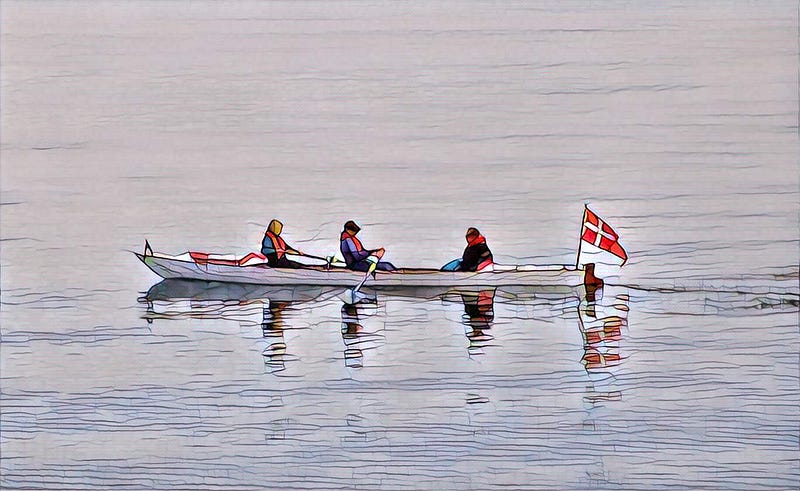
Rowing is one example of how important it is to work with others to ensure relatively easy forward motion.

From a purely pragmatic point of view, that can have anti-social consequences.

Many interactions between people are sexually motivated.
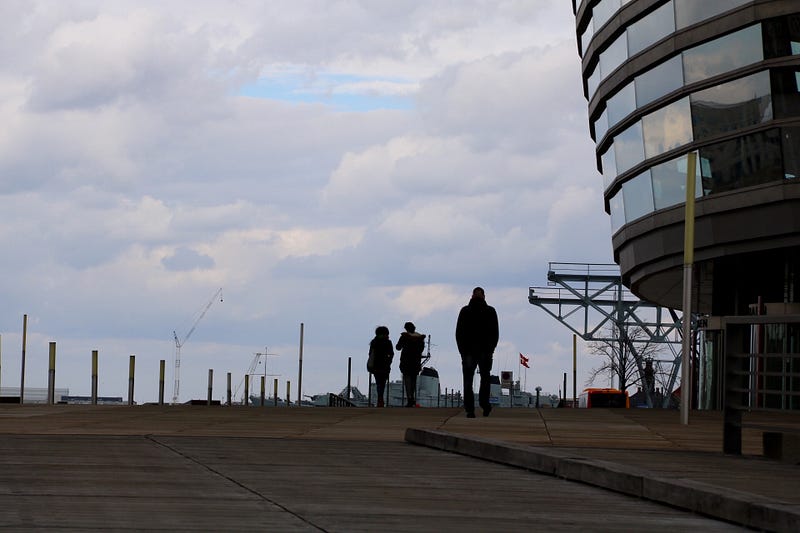
Here we have a man and a woman, close, engaging with each other. Behind them is a man, alone, his hands pushed deep into his pockets, contrasting togetherness and lonlieness. This is Denmark; the building to the right is the New Danish Opera House. The flag symbolizes solidarity and the public bus, barely discernible, symbolizes the common good.

These interactions are in and of themselves satisfying socially if not sexually.

So although the original motivation is sexual, the payoff is social too.

When the sexual urge has been satisfied, the urgency to seek social situations is lessened.

Lonlieness can be a good 😊 thing.

It can motivate people to reach out to others.

Masturbation is a turning inwards of energy that would more healthily be directed elsewhere.

The geometric design is going both inwards and outwards. The roof of Copenhagen Botanical Gardens, just a few metres from Copenhagen’s busiest train station, Nørreport.

Uninterrupted by closeness to another, it can be toxic and destructive.

A stag symbolizing rutting sexuality. Photo, Livin4wheel, Unsplash.
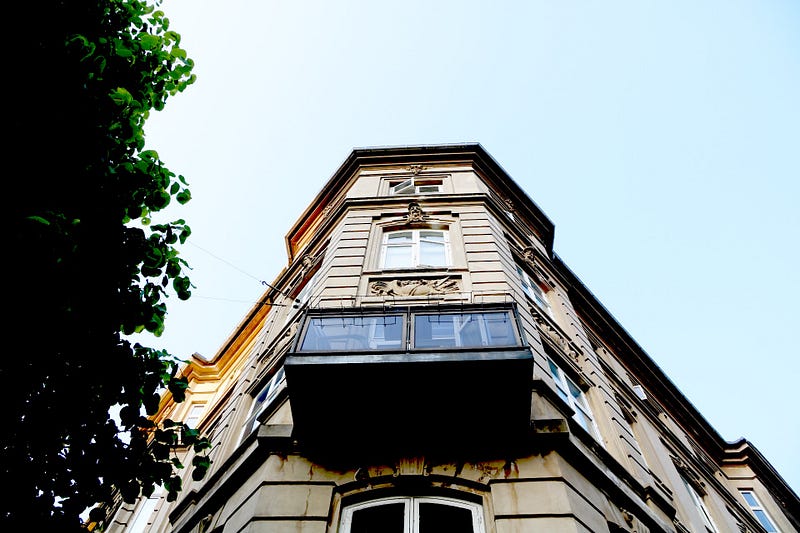
I grant you, this has nothing to do with the subject in hand, it’s just a pretty picture of a beautiful building on Frederiksberg Alle.

I wrote this response to a rhetorical question posed by Jeffrey Sargent:

“I mean seriously, how can masturbation be a bad thing?”.

Update, May 2, 2017:

Eek! 666! What, 69???

Update, January 13, 2018:

Looks like masturbation is here to stay

More stories by Augusta K:

Travel
Sex
Art
Denmark
Copenhagen
Recommended from ReadMedium