Loneliness vs Aloneness
You cannot be lonely if you like the person you are alone with — Dr Wayne Dyer.

Why Am I writing?
If there is anything we understood better than anything else during the COVID pandemic, it’s the impact of isolation. Whenever we feel we have seen the worst, the COVID GODs will gift us a new variant. Different people react differently to isolation. Some see this as an opportunity to try new things, while most struggle with depression and anxiety.
What is Loneliness
Loneliness is a stage where we can’t connect to anyone. The dictionary meaning of loneliness is “sadness because one has no friends or company.” I want to extend this definition of loneliness beyond the dictionary meaning. One can feel lonely even among friends and relatives. The inability to connect to ourselves is the root cause of loneliness.
Problem with Loneliness
At the forefront, the apparent problem with loneliness is sadness and depression, but that’s just the tip of the iceberg. Researchers find loneliness twice as unhealthy as obesity and smoking. It’s a bigger problem in men than in women. Men are more reluctant to accept it than women.
Britain announced the world’s first minister for Loneliness, Tracey Crouch, in 2018 to deal with the problem. Another individual named Karen Dolva, a Norwegian interactive designer started a company known as ‘No Isolation” to remedy loneliness with technology.
Aloneness
Not all forms of isolation are harmful. Aloneness, which means being apart from others, is a constructive way to deal with loneliness. Loneliness portrays a lack of something, while Aloneness indicates uniqueness, acceptance, and gratitude.
The best thing about being alone is that life becomes an open canvas, free from expectations and obligations. You open your heart to yourself and others. You attract healthy relationships without the fear of being left out.
Loneliness is like a gap; it hurts, while ‘aloneness’ means you are complete — OSHO
Let’s find some answers
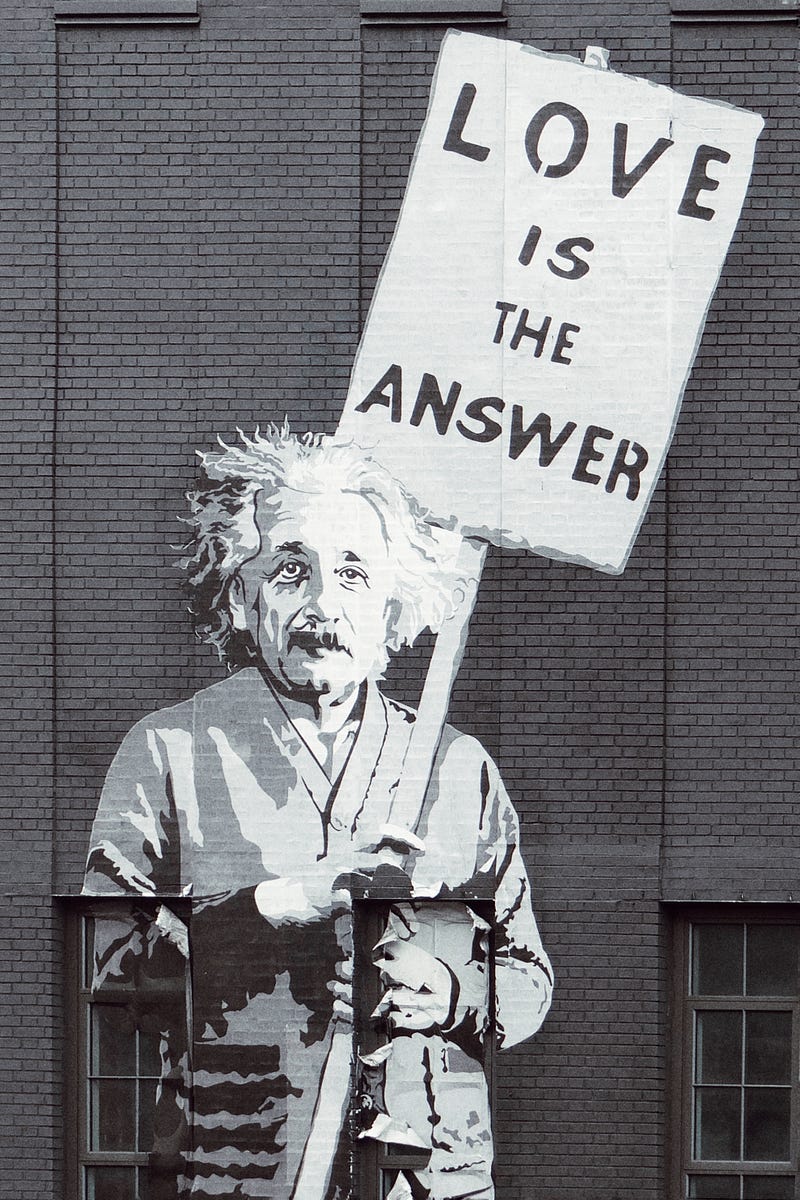
Enough of spiritual vomit. A spiritual awakening sounds impressive but impossible to achieve amid a storm.
Coming out of loneliness is a journey. Your brain will take you back to depression and anxiety multiple times during this journey. You are at a delicate stage right now, so don’t fight your brain. Instead, embrace the pain with complete faith that the pain will be manageable once you connect with yourself.
1. Therapy
At this delicate stage, you need external help. In today’s world, therapy is accessible and affordable. The only thing that might stop you from asking for help is the stigma around Mental Health issues. Counseling is easy and comforting and will help you build a strong foundation.
2. Small and Temporary Hobbies
While working on complex challenges, the common pitfall is setting big goals. That time will come but not now. You don’t have the mental strength to find your passion now. Remember, being alone is an open canvas, so when you get up in the morning, do one thing constructive without any pressure to repeat it the next day. It could be as simple as cooking your favorite food on day one and then visiting your favorite place on day 2.
3. Exercise
The biggest underrated yet powerful anti-depressant is exercising. While you are in the dumps of loneliness, finding the energy to exercise could be challenging. I never said dealing with loneliness is going to be easy. It’s hard work but ask yourselves — Is Being lonely any easier?
It’s time to push yourself. Set a tiny target of going to the gym twice a week. If going to the gym sounds too tricky, try something easy like walking along the beach or Yoga. For some, meditation has worked wonders, so maybe this is the best time to practice some guided meditation techniques. Personally, Vipassana worked for me.
A word of Caution — Crash Landing
Don’t expect this journey to be in straight lines. Your brain will throw curveballs at times you wish the least. I have lived alone for most of my life, and after a traumatic experience in 2016, I have faced the fury of loneliness many times. After multiple failed and successful attempts, I have learned never to overdo the strategy that works for me.
Be careful of the fatigue. Working on loneliness takes a lot of energy. It’s easy to attach yourself to something you like doing but remember that attachment brings expectations. Expectations increase pressure and anxiety, and before you realize it, the joy of doing a fun activity turns into an arduous task.
Conclusion
The key reason behind loneliness is the urge to achieve bigger and better things. Self Help books and motivational speakers have long romanticized the significance of big goals and passions. There is no harm in aiming for bigger and better things, but don’t lose the connection to yourself.
Loneliness takes birth due to an irresistible urge to experience everything, and I want to end this article with a question to ponder.
Where has the desire to know ourselves gone?
P.S — Medium is an excellent platform to read, write and learn from fellow authors. If you want to join this journey, Join medium today.