
Living With Diabetes
What is Diabetes?
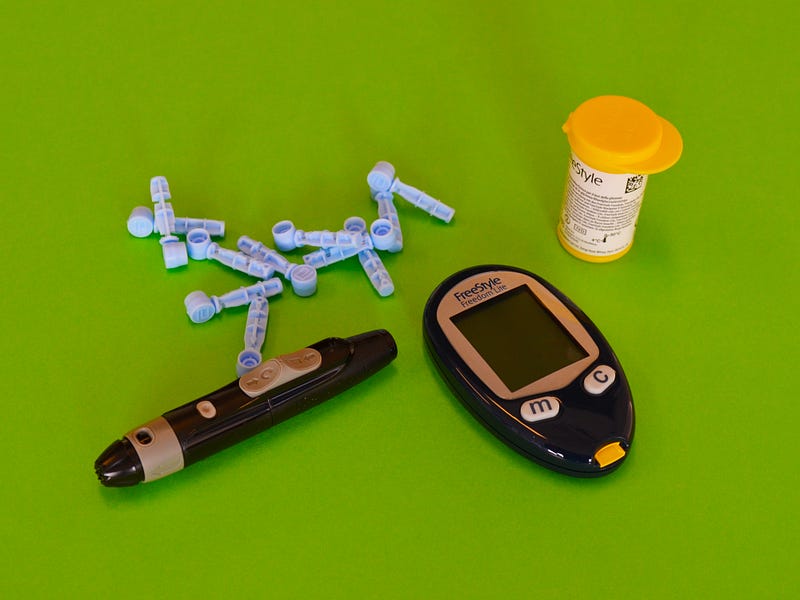
Per the National Institute of Diabetes and Digestive and Kidney Diseases
Type 1 diabetes occurs when your immune system, the body’s system for fighting infection, attacks and destroys the insulin-producing beta cells of the pancreas. Most people with type1 diabetes are born with it.
Type 2 diabetes is the most common form of diabetes. You are more likely to acquire type 2 diabetes if you are overweight or obese.
Type 2 diabetes usually starts with insulin resistance, a state in which muscle, liver, and fat cells do not use insulin well. As a result, your body needs more insulin to help glucose enter cells. At first, the pancreas makes more insulin to keep up with the added demand. Over time, the pancreas can’t make enough insulin, and blood glucose levels rise.
Gestational diabetes forms in some women when they are expectant. The majority of the time, this type of diabetes goes away after the baby is born.
Less common types of diabetes include monogenic diabetes, which is an inherited form of diabetes, and cystic fibrosis-related diabetes
Diabetes is a condition that occurs when your blood glucose, also called blood sugar, is excessively elevated. Blood glucose is your primary source of fuel and comes from the food you consume. Insulin, a hormone made by the pancreas, helps glucose from food get into your cells to be used for energy. Sometimes your body doesn’t make enough — or any — insulin or doesn’t use insulin well. Glucose then stays in your blood and doesn’t reach your cells.
Over time, having too much glucose in your blood can cause health problems. Diabetic kidney disease, also called diabetic nephropathy, is a kidney disease caused by diabetes. You can help protect your kidneys by managing your diabetes and meeting your blood pressure goals.
Although diabetes has no cure, you can take steps to manage your diabetes and stay healthy.
You can control your diabetes and live a lengthy and healthful life by taking upkeep of yourself each day. You will need to oversee your blood glucose levels, also called blood sugar. Managing your blood glucose, as well as your blood pressure and cholesterol, can help prevent the health issues that can occur when you have diabetes.
How ordinary is diabetes?
As of 2015, 30.3 million individuals in the United States, or 9.4 percent of the people, had diabetes. More than 1 in 4 of them didn’t know they had the condition. Diabetes affects 1 in 4 people over the age of 65. About 90–95 percent of cases in adults are type 2 diabetes.1
Ways to Confront Diabetes.
Set a goal to be more physically active. Try to work up to 30 minutes or more of physical exercise for the majority of the week. Brisk walking and swimming are good ways to move more.
Watching your diet and being more active can help you stay at or get to a healthy weight. If you are overweight or obese, work with your health care team to create a weight-loss plan that is right for you.
Take your medications for diabetes and any other health issues, invariant when you sense good or have got your blood glucose, blood pressure, and cholesterol goals.
Keep informed of your current blood glucose levels. It used to be that checking your blood glucose; levels was performed by pricking your finger to acquire blood and then dipping a strip into your blood glucose level. There is now something called CGM (Continuous Glucose Monitors) such as FreeStyle Libre and Dexcom.
Users insert a tiny sensor wire just under the skin using an automatic applicator. An adhesive patch holds the CGM sensor in place, so it can measure glucose readings in interstitial fluid continuously. I use the FreeStyle Libra CGM and apply the sensor once every two weeks. My sensor has no problem staying on even when I go swimming.
The interstitial is a contiguous fluid-filled space existing between a structural barrier, such as a cell membrane or the skin, and internal structures, such as organs, including muscles and the circulatory system.
Some individuals with type 2 diabetes can manage their blood glucose levels by pushing lifestyle changes. These lifestyle modifications include consuming healthy meals and beverages, limiting calories if they have overweight or obese, and getting physical activity.
What should your blood glucose levels be?
- Before a meal: 80 to 130 mg/DL
- About 2 hours after a meal starts: less than 180 mg/DL
Converse with your health provider about the most reasonable target range for you. Be sure to tell your health care professional if your glucose levels often go above or below your target range.
Can my blood glucose level get too low?
Sometimes blood glucose levels drop below where they should be, which is called hypoglycemia. For most people with diabetes, the blood glucose level is too low when it is below 70 mg/DL.
What happens when my blood glucose gets too high?
Doctors call high blood glucose hyperglycemia.
Symptoms that your blood glucose levels may be too high include
- feeling thirsty
- feeling tired or weak
- headaches
- urinating often
- blurred vision
If you typically have high blood glucose levels or symptoms of high blood glucose, talk with your health care team. You may need a change in your diabetes meal plan, physical activity plan, or medicines.
Know when to check for ketones
Your doctor may want you to check your urine for ketones if you have symptoms of diabetic ketoacidosis. When ketone levels get too high, you can develop this life-threatening condition. Symptoms include:
- trouble breathing
- nausea or vomiting
- pain in your abdomen
- confusion
- feeling very tired or sleepy
You should see your health care team at least twice a year, and more often if you are having problems or are having trouble reaching your blood glucose, blood pressure, or cholesterol goals.