
Living the “Rush of Love” Lie
When the golden moment of giving birth doesn’t happen to you
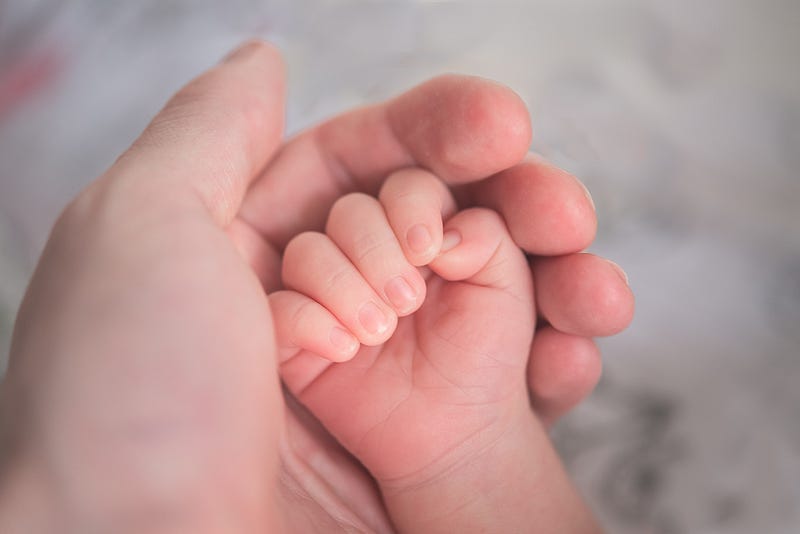
Being a mother isn’t simple. The rise of social media has made it much easier for people to share their stories but also much easier for people to share their judgement. Learning the best path for you and your baby is vital, but the pressures that mothers feel to be certain things or to act in certain ways can be overwhelming.
The specific issue I am talking about here is the expectation of every new mother to feel a rush of love when they first hold their baby. This is something you see touted everywhere, especially if you are expecting.
The baby books I bought when pregnant always had some mention of the sudden gush of feelings you should have when your child is born. A gift pack from a milk powder company included a little booklet with quotes from other new mums that invariably spoke about this feeling. Even TV and movies always show the new mum seemingly overwhelmed by these emotions.
It was one of the things I looked forward to the most about the birth. Childbirth itself I found a terrifying thought, so I comforted myself with dwelling on how it would feel to hold my tiny baby for the first time, and I was excited at the prospect of experiencing this sudden flood of emotion.
Everything went wrong. I never went into labour as I had Gallstone Pancreatitis at 38 weeks pregnant. I had a category 1 emergency c-section, and while I was still anesthetized, I was taken to intensive care in a different hospital 30 miles away, while my baby was taken to the special care unit in the original hospital.
It was three days before I saw him for the first time. I’d been ferried back to the same hospital as him and waited somewhat blearily to meet him. When they brought him in and put him into my arms, I felt…very little. He was cute, he was healthy — especially considering the rough start he’d had, and he was mine, but there was no rush. No overwhelming feelings of joy and love.
Now, this is obviously an extreme case. I was still on strong pain medication and very ill, so it might be expected that I didn’t experience this magical rush. I had to stay in hospital for three weeks, while he went home after five days, so my time with him was limited to a few hours during the day when his father brought him on the 25-mile trek to the hospital to see me.
During this time, as I slowly recovered, I battled feelings of being a failure. Not only had a medical condition that I had suffered nearly ended his little life, but I clearly wasn’t a good mum as I didn’t have that damn magical rush. I was desperate to see him each day but could do nothing practical for him, other than hold him, and as soon as he left I would start worrying again.
In reality, I had been put to sleep with my baby safe in my belly and woken up with an empty womb and no baby to show for it for several days. It should have been obvious to me that I was being unrealistic. But the literature available about motherhood didn’t allow for things going wrong or taking longer than usual. It was a picture-perfect vision of how things should go that was shoved in my face wherever I went.
After I was allowed to go home, I was still unable to do many things, including simple things like lifting the baby out of his cot. On the plus side, I was unable to do much other than sit and cuddle him, which meant I did get to bond with him. However, despite knowing that I loved this little human more than creation itself, I still couldn’t get past the feelings of failure because of that first time I held him.
I was too ashamed to admit to anyone how I was feeling, so I hid it. Once my health had improved and I could be fully hands-on, I loved everything about being a mother, but for six long months I still carried that weight with me.
It wasn’t until I read a comment on a forum describing the same thing I was feeling that I began to question myself. Why would you automatically feel this sudden gush of emotions? I’d been bonding with my baby the whole time he was growing inside me; surely those feelings were already there? And what about traumatic births and people who struggled with labour?
I began to ask questions, from other mums I knew and on the internet. When I explained why I was asking, nearly all of them said they hadn’t really had a sudden moment of overwhelming love. Most said they were relieved, exhausted, and hurting. Once I discovered this, I felt so much lighter. I wasn’t a failure or a bad mum, and I never should have felt this way in the first place.
Some mothers will have experienced this elusive feeling, but they certainly don’t seem to be in the majority. This expectation is fed to mothers-to-be as something they will undoubtedly have, which is setting many people up for failure.
Perhaps it began to be so widely talked about as a way to distract from the fear of labour — something lovely at the end. Or maybe it began as a marketing campaign to sell more products.
Whatever the beginning, it has become so expected that no one talks about what happens if you don’t feel it, and that it doesn’t mean you are failing if you don’t. It’s another example of one of the many pressures to conform to a certain way of feeling that is impressed onto new mums.
Birth and adjusting to being a parent is a difficult journey, however it happens, and the traditional ideals do not fit anymore. I know I would have benefitted from a more honest portrayal of early motherhood, and I’m sure I’m not alone.