
Living Singlish with Marne Platt
“Living Singlish means looking into yourself, knowing who you are and what you want, and then making it happen.”
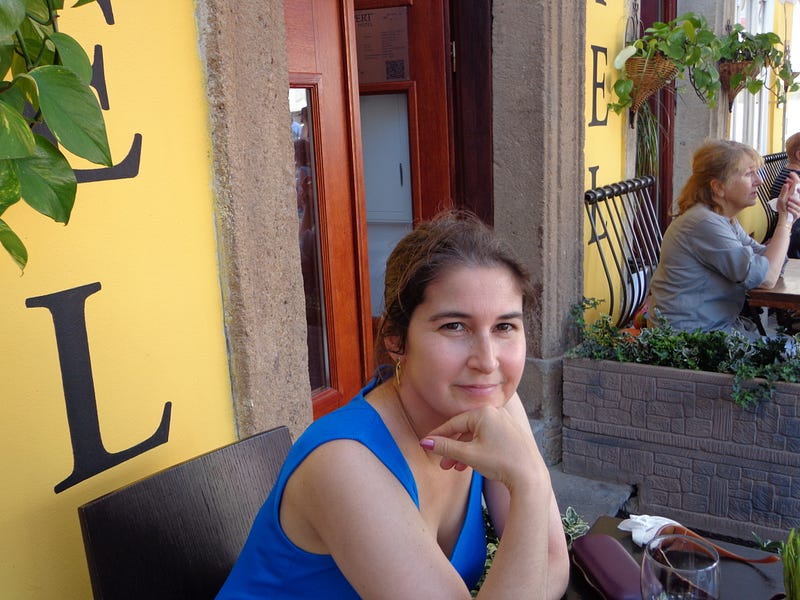
I am excited to be interviewing Marne Platt today about her book, Living Singlish. If you’re wondering what it means to be living singlish, read this interview. I have a feeling Marne will inspire many people to embrace the singlish life with her book and guidance. Read more below.
Thanks so much for doing this interview, Marne and nice to meet you! Let’s get started here.
1. What inspired you to write Living Singlish: Your Life, Your Way?
My book, Living Singlish: Your Way, Your Life started as a list of tips for a younger colleague on renting her first solo flat; she had just broken up with a long-term boyfriend and had never lived alone before. First, she asked me to write down everything she needed to know about finding and leasing a flat, then she wanted more info about living by herself. As we talked about the advice, she had more questions and the book started to grow on its own. Each time I thought I was finished, another topic came up!
2. Can you tell me about your singlish journey?
I was born and raised near New York City. My parents taught me that I could do whatever I set my mind to, and gave me the skills and support to succeed. They used to tell me that they didn’t ever want me to be in the position that I needed a man to survive. My mom lived Singlish long before I thought of the word, so I had a good role model.
I knew quite young that I wanted to be a veterinarian, and that it would take a lot of hard work to get there. So while I dated like most other girls, I always had this goal in my head. Over time, as the work got harder, I also found it harder to find a man who understood how powerful this dream was. They were great guys, but they still had this picture in their heads of a family with a woman who put her own wishes aside. That was never going to work for me.
After a while I realized that I didn’t really want to have children, and that I was having too much fun and too many adventures in my career to put it all aside for a romantic relationship that would tie me down.
I started to plan for a long, happy, fulfilling life on my own. I never stopped being open to dating, but it became secondary to all the other exciting and interesting things I was doing.
I was already living Singlish by the time I was 35, I just didn’t call it that.
3. Who did you write this book for?
Living Singlish is for every woman, of any age, who wants to live a fulfilling and exciting life. I want them to know that they can do just that, whether or not they have a partner, or children. Women are whole all on their own; they don’t need someone else to make them complete. Many of my readers are young women leaving home for the first time, graduating from university, or starting their first ‘real’ job.
I think of the book as an older sister that you can carry in your pocket. She’s been there, she knows how it all works, and she’ll tell you what you need to know. That’s why each chapter starts and ends with a conversation between a young woman and her older, wiser self.
4. What are the hardest parts of living a singlish life?
I’ve found two challenges that pop up over and over.
The first is really other peoples’ problem: they have a hard time understanding that you want to be single, you aren’t desperate to find an attachment. I find it best to calmly explain that, while I know that many couples are happy, it’s just not for me, then change the topic. One of the beautiful aspects of becoming Singlish is that I developed the confidence to walk away from these people if they keep harping on the idea.
The other challenge is that there are experiences I would like to share with someone else. Certain vacations, holidays, even decompressing after a bad day at work can be better with someone else. So I have friends with whom I can travel, a family of friends to celebrate with, and people I can call to vent or to laugh. Being Singlish has also taught me to enjoy these things on my own. There’s nothing about dining out, going to concerts, or traveling that requires another person.
5. What is the best part of living singlish?
The best part is that your life is what you choose to make of it! You don’t need anyone else’s agreement or permission to start or leave a job, move, go on holiday or stay home.
I love that I am responsible for the choices I make, and that gives me great confidence. I’ve made mostly good decisions, recovered from some bad ones, and I am proud of my life and my accomplishments.
Anyone can do this. It doesn’t matter where you are from, how old you are, whether you are in a relationship or not. Living Singlish means looking into yourself, knowing who you are and what you want, and then making it happen. It’s the ultimate in self-empowerment.
6. What is your message to the Singlish people in the world?
My message is for all the women living a Singlish life, and all the women who wish they were:
Life is a series of choices. If you know yourself, and know what you do and do not want, you can build a great life. Whether you are single or partnered, you must take responsibility for yourself and the way your life turns out.
I believe that inside every woman is a Singlish woman, ready to take charge and live her best life, however she defines it. This book will help her make it happen.
7. What do you say to people who feel out of place in a world full of couples and families?
Don’t let anyone else tell you how to live your life! This world needs variety. If being single is right for you, go out and build a fabulous, fulfilling single life. Don’t let anyone stop you.
Your real friends will love you regardless of your relationship status. One of the topics I cover in the book is how to deal with friends who can’t handle your Singlish self, and how to make new friends easily.
8. How do you deal with the stigma or taboo of being single?
The first and most important point is that I don’t see it as a stigma or taboo. That’s something that other people decided. There have always been women who broke the rules and lived the life they wanted, not the life that society expected them to want. I introduce some of them in the book, and there are many more. None of them let taboos or expectations hold them back. No woman should.
9. What is the principle from the book that resonates for you most about living singlish?
All 7 of the Singlish life principles! In my life, I’ve relied on Principle Number Two, ‘Know what you want and what you don’t,’ and Principle Number Seven, ‘Don’t be afraid to try,’ the most. But I’ve turned to each of them many times.
Number six, ‘Always tell yourself the truth,’ is another pillar, and of course is ‘Celebrate your success and have fun.’
10. What is the Singlish attitude or mindset?
Having a Singlish attitude means taking control of your own life and taking responsibility for how much enjoyment you get out of it. Singlish women choose the life they want, and then take steps to build it. The Singlish woman of any age makes her own decisions, plans her own life, and makes the most of her opportunities. She enjoys the good times, copes with bad times, and lives a full and interesting life as she defines it.
11.What is the most important “singlish” skill?
Of course all 7 principles, and the skills behind them, are important for living a full and fulfilling life. Which is most important will vary for each woman at different points in her life. Celebrating successes and letting yourself have fun are keys to a happy life at any age.
12. What would you say to people who are singlish later in life?
One of the beauties of Living Singlish is that you can live Singlish at any age. The same principles apply. Whether you decide to live Singlish while partnered, or you become single later in life by choice or by chance, at any level of wealth or education, the Singlish living principles will work for you.
As you get older, some principles are easier and some become more important. I’m 53, so Principle #1 is easy: I know who I am and who I am not. Principle #5, Look after yourself, becomes more important as you get older, when you really need to plan for the future and the changes it might bring. I have a plan to get to retirement, to enjoy that retirement, and to be taken care of in old age as needed.
13. What was the hardest part for you about being single?
Learning to politely but firmly tell other people that my choice to stay single was not their business. Too many people still expect a woman to want marriage, kids, the whole thing. I never wanted it, and it took a long time to come up with an answer that wasn’t rude but got the message across.
14. What was the best part for you about being single?
The freedom to do what I think is best for myself and would make my life interesting and fun. I can move between countries, change careers, try new hobbies, visit places that interest me — all the activities that make a full life — without having to justify myself to anyone else.
Being single meant stretching myself: I not only bought a house myself, I learned to do repairs. I not only moved, I moved to different countries for my career, and made friends all over the world. So far I have lived in 5 countries and visited at least 25 more — and I am not done yet!
15. What would you say to people living singlish today in these pandemic times?
The 7 Singlish Principles are even more important today! Knowing what you do and do not want, who you are and who you want to be, will help you adjust to all the changes we are experiencing at work and at home.
16. Any strategies to become a little less singlish :) ?
Why would I want to be less Singlish? Singlish is a strong, independent mindset.
Singlish women can be single, or they can date, find partners, or marry. Being Singlish doesn’t mean giving up on love, or on dating, or on children, or on life. You can be Singlish and single, Singlish and paired or married, or single and not Singlish. It’s each woman’s life, and each woman’s choice.
I choose to be single now, though I do occasionally date, if I meet a man who seems interesting enough. I’ve been engaged, had some great boyfriends (and some not so great ones), and been single for long stretches. But I have been Singlish no matter what.
17. Can you tell me a little about your background and how you became a writer?
I have always been a writer! I worked on school papers and yearbooks. I loved writing and reading from an early age; a few months ago, I found the script for a play I wrote for school with a friend when I was 14. We did a take-off on Robert Louis Stevenson’s The Strange Case of Dr Jekyll and Mr Hyde and called it ‘One Drink Too Many.’
My first career choice was veterinary medicine; writing and editing was my backup plan in case I didn’t get into veterinary school. I’ve often wondered what would have happened if life had steered me down that path in my 20s.
When I became a veterinarian, I wrote pamphlets for my clients, then moved into the pharmaceutical industry where I wrote and edited thousands of documents, learned to speak in public, and made friends around the world.
I also wrote stories, letters, and short memoirs along the way. When I found Medium, it felt like home.
18. What projects are you working on next?
Many! I am writing a workbook for Singlish women on managing their money, developing a webinar/online seminar to go with the workbook, and considering something specific for Singlish women over 50. It might be a book, a course, or a workshop; I would love to hear from Singlish women over 50 about what they want!
I’m also working on a cookbook filled with my own recipes for gluten-free treats. These recipes are completely reliable and very easy, without the complex mix of flours you find in many gluten-free cookbooks. After more than 20 years of living as a celiac with a powerful sweet tooth, I have plenty of recipes to share. Right now I am editing it and looking for an agent or publisher.
And of course I publish on Medium, primarily in Illumination and Crow’s Feet, and also in In Fitness and In Health and The Innovation.
19. How do people keep up with your writing and work?
They can join the Living Singlish community for regular updates and tips on living a fabulous Singlish life and get inspirational messages on the Living Singlish Facebook Page. People who like my other writing, or want to improve their own writing, can subscribe to my Fundamental Capabilities newsletter for information on writing, editing, and how to improve your use of English. They can also email me directly, for example about editing work, from my website. Anyone can connect with me or follow my company on LinkedIn.
What an interview! I’ve learned so much about being singlish and I can’t thank you enough Marne. I realized that this isn’t for one phase of life but essentially a mindset on how to live your entire life. I am especially inspired by your courage to live the singlish life and the confidence to live your life without caring about anyone else’s opinion about the life you chose to live. Bravo!
I encourage everyone to pick up your book, Living Singlish today. Living Singlish is also available on Amazon, Barnes and Noble, Kobo and on other major platforms via Smashwords (affiliate links).
Thank you so much for talking to me about your book and being a light for so many people on life’s journey.


