
Living in the Cold and Dark
Remembering Life in Kathmandu, January 2016
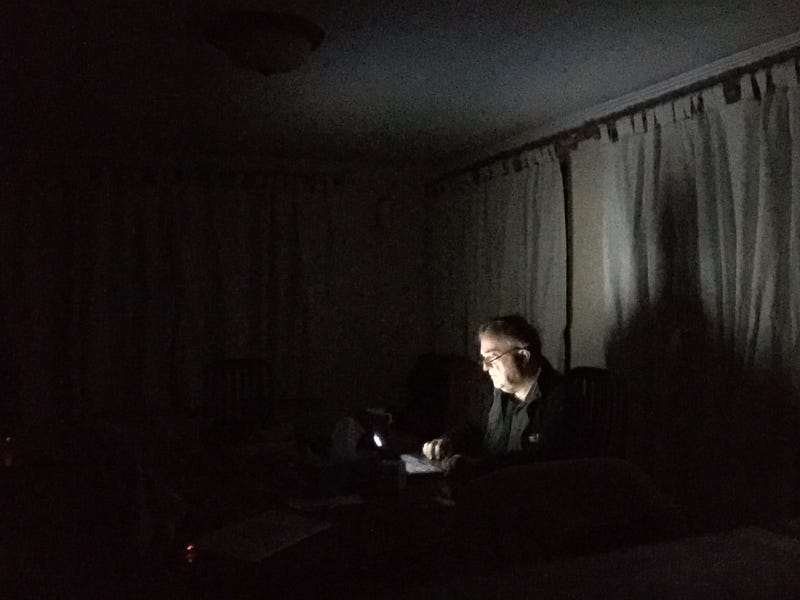
Years ago we participated in National Geographic’s Genographic Project. We sent away swabs of our cheek cells. My Y-chromosome traced the male lineage and the mitochondrial DNA traced my female ancestors. No surprise, the Willises were some of the first cave dwellers in what is now Britain. We likely survived through the millennia by being first in front of the fire, and habitually late to wars and other property conflicts.
In 2016, we were in our third year of working at the Lincoln School in Kathmandu. We knew life in Nepal would not be easy, especially moving from ultra-modern Abu Dhabi. However, it was 40 years since my wife, Linda, had started teaching overseas, at the very same school, Lincoln. It was a perfect bookend for our career overseas.
But that January in Nepal, events put me in touch with my cave-dwelling forebearers.
Low Energy
Nepal is a landlocked country and depends on hydroelectricity for energy. But dry weather had reduced the amount of hydroelectricity available to Nepal.
Mega Earthquakes
The previous spring we had two mega earthquakes, 7.8 and 7.2 that caused considerable damage and loss of life. The earth continued to rumble through the year, shaking the ground and our nerves.
Border Blockade
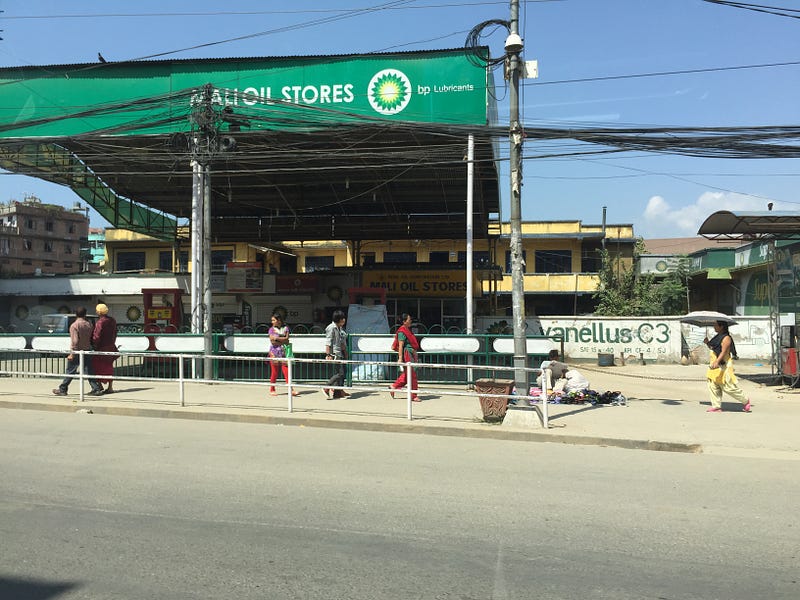
Nepal had an elected government, but not a constitution. That changed in September 2015. However, ethnic groups at the border with India objected to the plans for representation in the government. This led to agitation on both sides that resulted in a blockade of trucks to Nepal. This included shipments of gasoline and diesel for vehicles and propane for stoves and heaters.
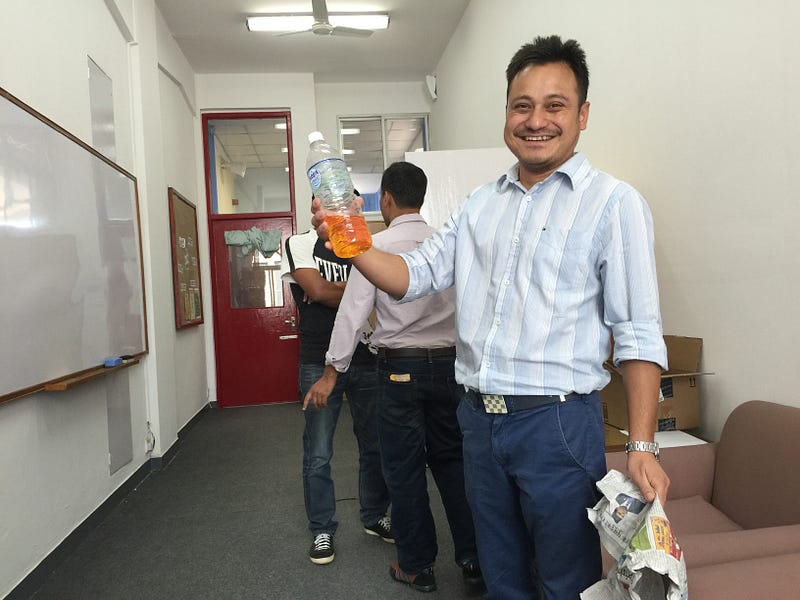
Water was an issue. We had a large water cistern under the driveway. That water was then pumped to two tanks on our roof. One tank for the cold water, and the other for our hot water. But getting the water into our tank under the driveway required deliveries from a water truck tanker. Those trucks depended on fuel, the same fuel that was blocked at the border.
It Was Dark
The electricity authority published a weekly schedule of power blackouts in each area of town. For example, this was the blackout schedule on January 11, 2016: ● 04:00–12:00 ● 16:00 -22:00
The times indicate when the power was OFF. So that day, we had power for 4 hours, from noon to 4 PM. During the power ON time, we charged our batteries… literally:
- The house had a large battery inverter with six car batteries that kept the internet running but not enough power to keep appliances running.
- We charged a couple of battery-powered lanterns, they could keep a room bright for about 6 hours.
- We had small LED lights stuck on the walls powered by rechargeable batteries.
- We charged our laptops, they were MacBook Airs with a long battery life.
- We charged our iPhones which were our backup internet if the inverter failed.
We had no heat. It was not terribly cold, but cold enough that we didn’t worry about the food spoiling in the refrigerator. In January, the house did not get warm. The cold morning fog seeped through window sills and crawled beneath the large gaps in the doors. The cold clung to everything and sucked out the energy of our bodies if we touched a surface.
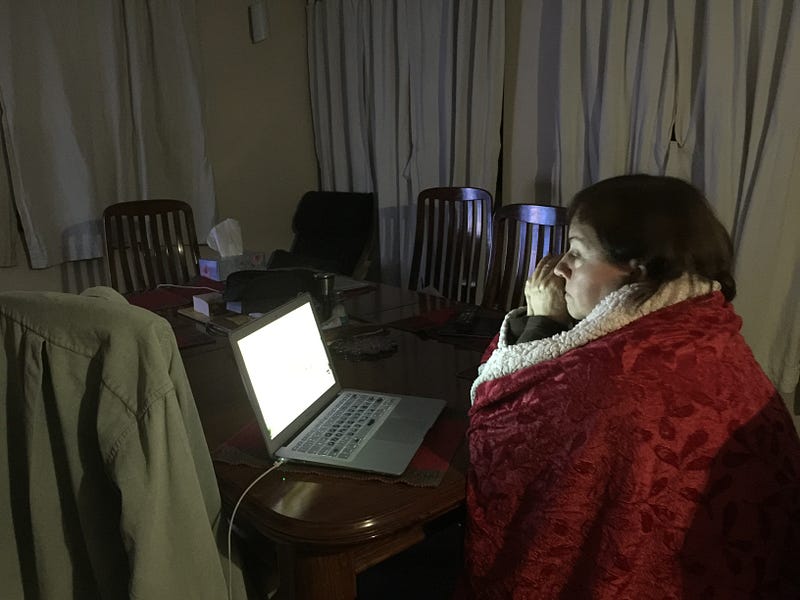
We walked through the house with down booties in long underwear and fleece. The house was large. During the winter we didn’t use the second floor at all. The third floor was only for the laundry (when there was power). On the ground floor, we only used the kitchen and dining room during our waking hours. In bed, I did not do my normal toss and turn. Beneath the 10 inches of blankets and down, I was pinned as well as any insect on a display board. It was my favorite place.
In the evening, the heavy curtains were drawn over our openings to the world. We sat before the radiant glow of modern technology.
We were in our cave.
Addendum
Life got better. In our last two years in Nepal, the electricity worked! Blackouts were rare events. The earth calmed down. The embargo faded away and the trucks moved throughout the country. The five months of deprivation faded into the dark.
Like expat stories? I enjoy the writing of Rhonda Carrier. I first met her at a technology meeting in Singapore while working in China. She has some great stories about the expat experience.