Live the Life That Makes Your Life Worth Living
Actively choosing to live better rather than longer
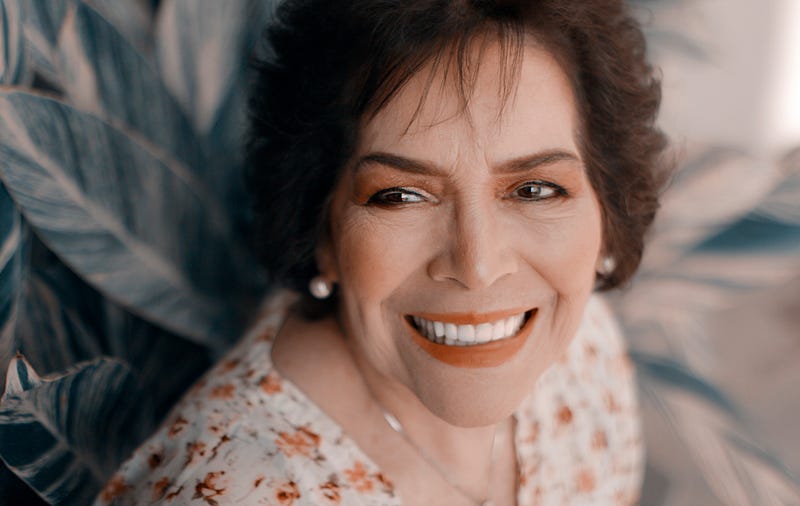
The mother of an acquaintance of mine is in her late 70s. She has a few significant things wrong with her health but is very active and in good spirits. He would like for his mother to move back to the city where specialist doctors can monitor her closely and give her the latest treatments.
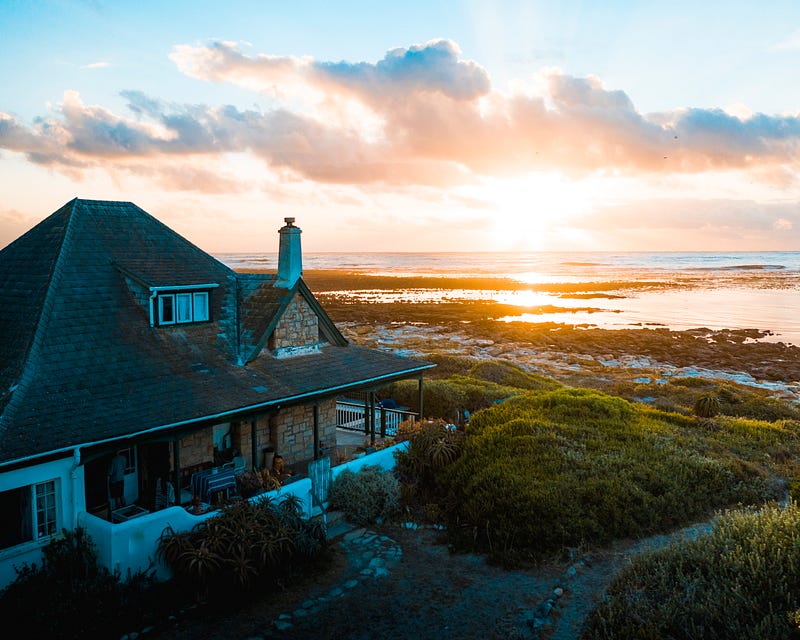
She steadfastly declines to do any such thing. She insists on remaining in her comfy cottage on a rather remote island. As the crow flies, it is under an hour to the city, but in terms of real-world travel, only a patient person would call it easily accessible. In the summer it requires two ferry trips and in the winter you must have your own boat to reach it at all.
But the beauty of the place is beyond description. Lovely private coves and beaches. Gentle hills and rises with graceful old villas and cottages dotting the view. There are no cars. Narrow lanes and sandy footpaths criss-cross the place, and that is how you get around. Ferries and cruise ships glide past the row of private boat docks each morning and evening, punctuating the horizon and the day like clockwork.
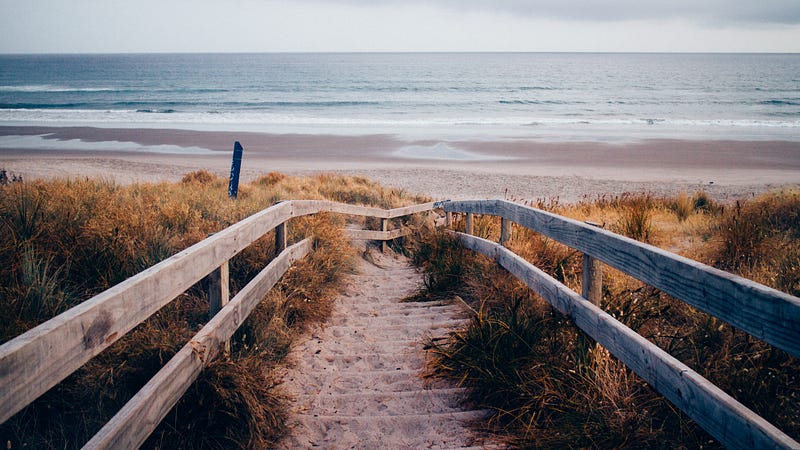
There cannot be more than thirty houses on the entire island and probably under half of them are occupied year-round. But of course, those in the full-timers club are a tight-knit community, that if not quite social is very dutiful.
Common areas are well-maintained, help can be had to stack a shipment of winter wood or carry a delivery of dry goods up from the dock to the door. A surplus of mackerel or cod is often delivered to the doors of neighbors by proud fishermen.
Children run wild from one end of the island to the other, safe and carefree. Crime consists of the goat and pony gang raiding gardens they have not been invited into. Or the occasional gangsta white-tail deer swimming over from the mainland to snatch grass from front yards at night for no apparent reason.
My friend’s mother loves this place she bought together with her late husband in the late 1970s. They upgraded it significantly, turning it into the perfect retreat. Ten years ago, upon becoming a widow, she rented out her beautiful apartment in downtown Oslo and moved to the island full-time.
There, she paints, she naps, she enjoys glasses of her carefully-hoarded pineau and red wine. She walks a lot, stopping in to talk with people she encounters. Her ancient fox terrier died a few years ago, but now she shares responsibility for a neighbor’s dog.
A man who is away from home for a day or so at a time often. The dog, a shaggy mutt of some sort, squeezes through the hedge and waits on her doorstep most mornings. They seem to have established an understanding. I think that understanding has something to do with bacon.
As charming and idyllic as this scenario is, my friend has a list of genuine concerns. Medical care is nowhere to be found on the island, and the idea of reaching acute help in the winter if one of her conditions should flare-up… If his mother were to fall and be completely immobile or unconscious, it could be days before she was found. So many bad possibilities. A good son worries.
But recently, sitting outside among the trees after a pleasant dinner together, they had a very frank discussion about this. And I think she very firmly but very gracefully explained her thoughts and wishes in an admirable way that reflects a genuine love of a life worth living.
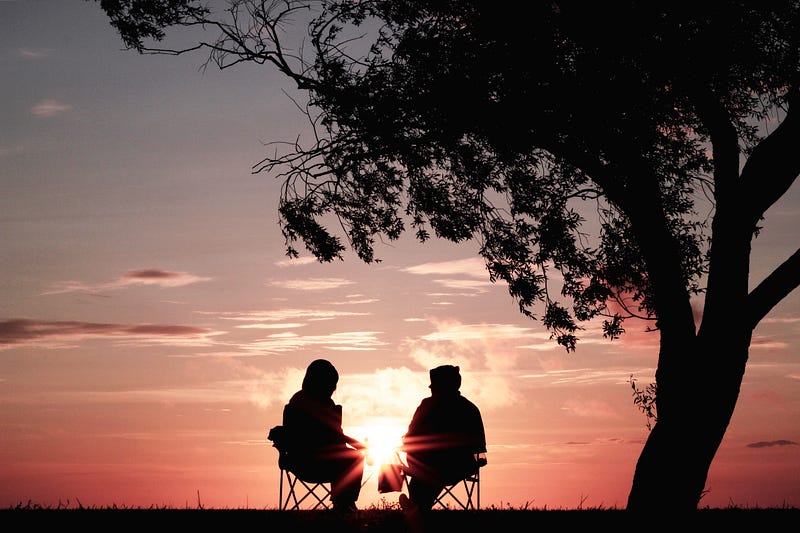
She stated that when it came down to it she wanted to live better, not longer. That her peaceful days spent largely in her own company, doing precisely whatever she chose to at any given moment, in the place she loved best of all were a gift.
And that they were a kind of reward for decades of the non-stop demands of her career as a high-ranking bureaucrat, childraising, “wife-ing”, entertaining, housekeeping, campaigning for charities, chairing the board of her apartment building, and myriad all else. Which she was happy to have done. And was now happy to be done with.
For the first time since she had married at 23 years old, her life was her own and whether she lived independently for only another year or until she was 100, she intended to wake up absolutely loving her everyday existence for as long as her health permitted her to go on doing so. She wasn't willing to settle. Not while she could still choose and could still manage. Returning to the city would likely lengthen her life, but it would not enrich it.
She was also compassionate enough to explain to him that even if all his worst fears came to pass, that he should always know how glad she was that he had supported her choice of placing the quality of life first. That her gratitude was all he should ever focus on. That she forbid any form of guilt. That he was a great son for placing her desires above his own fears. She gave him an extra long hug at the dock beneath her cottage and stood there waving until his boat was out of sight.
As this winter approached, it became apparent that one wall of her cottage needed to be partially torn down, re-insulated and refinished. Instead of insisting she simply move in with him for a few weeks, he took three days off work to supervise the work out on the island and lend a helping hand to the workmen so she could return to the refuge of her cottage in a matter of days instead of weeks. Because he finally understood: Living the life that is worth living may be all that truly matters.


