
Live Like a Monk by Practicing These Ten Habits at Home
The art of monastic home living
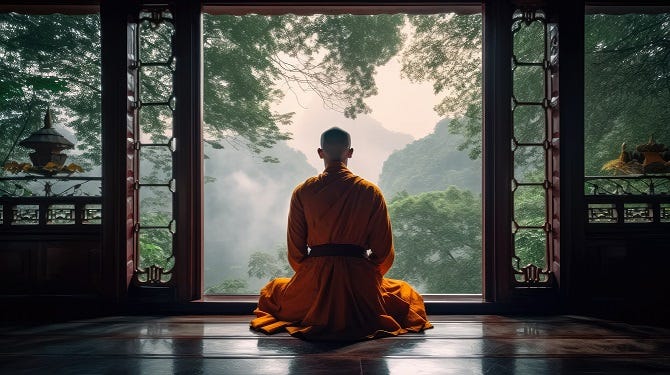
You don’t have to live in a monastery to adopt many of the practices of the religious brothers and sisters who dedicate their lives to God through consecrated life. While a religious vocation as a monk or nun takes much discernment and prayer, you can grow in faith and charity by adopting many of their traditions and disciplines. This is something that a single person, a couple, or a family can do with a few good habits. Below are ten habits that will help you to adopt a religious vocation, even from your own home.
Make your work a prayer. As religious monks and nuns dedicate themselves to developing skills and talents that God wishes to give them, their work is a form of prayer. During their daily chores and work, they offer their hands as a sacrifice to God for the benefit of others. No matter what work monks undertake, whether baking bread, making jam, constructing furniture, or creating stained-glass windows, they do so to bring joy to others. In the same way, your mind, hands, and talents can be offered to God.
Love those who share your circle. Trappist monks look upon the monastic life as a great exercise in love. It’s as if Jesus draws a circle on the ground and invites you to come inside it. Inside the circle, your sole responsibility is to love everyone with whom you share your circle. Take this lesson to heart by loving those you share your life with. Although you can love your spouse, children, friends, and relatives, how do you feel about unfriendly neighbors, a boss who doesn’t appreciate your efforts, or colleagues who aren’t kind or easy to get along with? It’s not necessary to like them to be able to love them. Keep them in your prayers, and remember that God loves them too. Say a silent prayer for them and couple it with a smile when in their company. Your smile might make a bigger difference in their lives than you realize.
Study Sacred Scripture and meditate on it. Read scripture daily. You can do this for a few minutes or for a few hours. Sacred scripture can be read when you wake up, before you get out of the car at work, or during your lunch break. Read the scriptures slowly and prayerfully, and ask the Holy Spirit to guide your response to God’s Word every day.
Pray for those who have no one to pray for them. There are people around the world who lack family, education, or the ability to live a comfortable way of life. Keep them in your prayers, including those who are in prison, abandoned by friends or family, or who are disabled and unable to care for themselves.
Silence is important. The monastic life is centered on silence, during which monks contemplate God’s plans for their lives and listen to his voice speaking to them from within their hearts. If possible, try to devote at least 30 minutes to silence every day without interruptions. Silence allows you time to connect with God and to hear his voice.
Embrace simplicity. There’s a saying, “The richest people aren’t those who have the most; they’re the ones who need the least.” Since there’s nothing that you accumulate that you can take with you when you die, fill your life with love and joy, instead of possessions or junk.
Follow the example of the saints. Study their lives. Ponder their passions. Consider how chastity manifested in their lives. You can learn about their mission to become the best version of themselves to fulfill the purpose that God has for them. Even better, you might find yourself particularly inspired by one of them and decide to study their writings, diaries, sermons, or other stories about their lives. Religious brothers and sisters often adopt the name of a beloved saint and combine it with their own. When elected to St. Peter’s Chair, even the pope changes his name. Religious brothers and sisters choose their new names after spending time in prayer.
Seek the guidance of a spiritual director. Spend at least 20 minutes each month speaking with your pastor or another member of the clergy. People who practice monasticism have regular contact with their spiritual director or confessor. Share your struggles, ask for guidance, and request that they pray for you.
Go to sacramental confession on a regular basis. The sacrament of confession provides you with the gift of hearing the words of Christ saying that you’re forgiven. Penances will also strengthen your spiritual muscles and ability to avoid temptation when it’s near.
Be generous with your gifts. What are your talents? How can they be used for the greater good of your local parish and the world around you? Visit elderly neighbors and volunteer your time within the community or the church as ways to share the gift of “time.”
You don’t have to take vows or live in a cloister to benefit from the practice of spiritual disciplines and exercises that lead consecrated brothers and sisters to a closer relationship with God. The way they live, however, offers a way to reduce distractions, which often prevent us from spending time with God and loving others as we should. Adopting these ten disciplines into your daily life will allow you to live like a monk too!