
Listening for Heartbreak and Joy
It all happens simultaneously in a busy emergency department.
Editorial Disclaimer: This story contains sensitive themes.
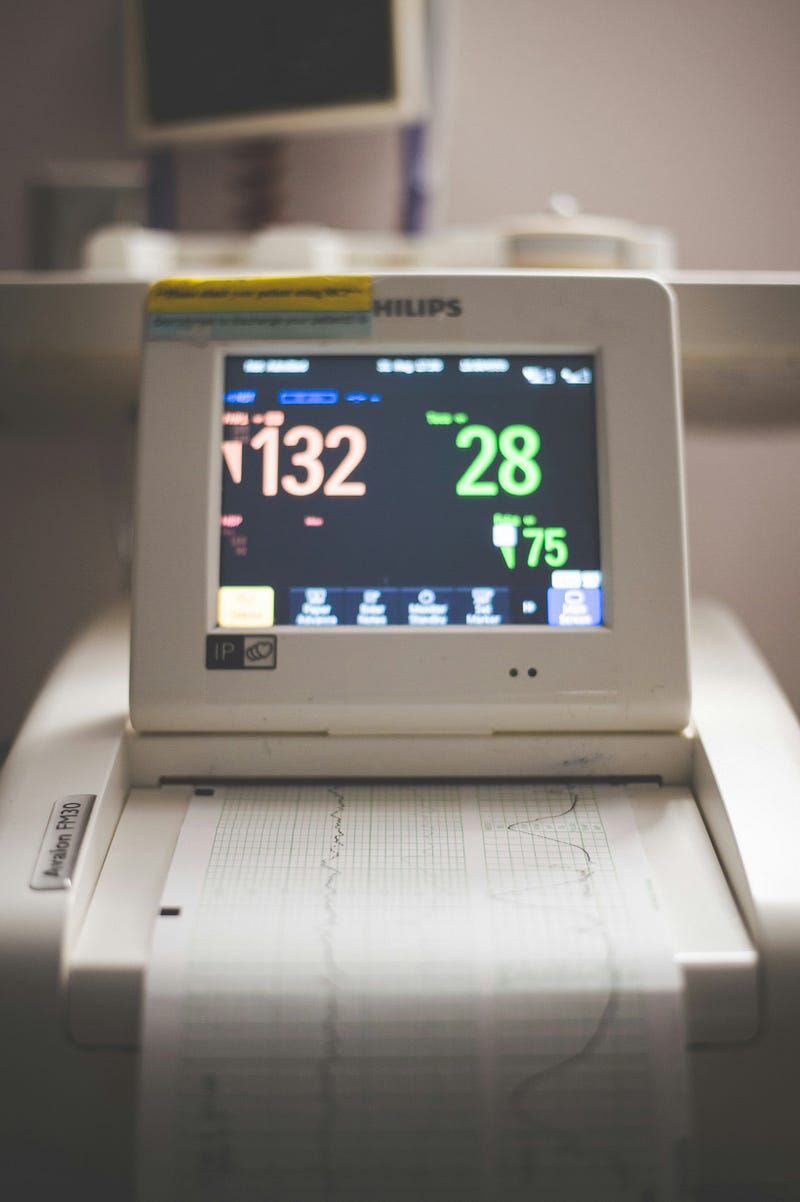
The emergency department is a cacophony of sounds. We have ringing phones, overhead announcements, bleeping monitors, alarms, blaring televisions, and people talking. Sometimes, folks are yelling in anger or moaning in pain. We have babies crying and patients retching.
Sadly, those of us who work in this chaotic setting learn to tune out the noise.
Occasionally, we miss an alarm or a signal of importance. As the physicians in charge of this chaotic workplace, people are always asking us questions. Consultants and family doctors are constantly calling. When we want to finish a task or enter a note into the electronic record, we need to concentrate. We must focus to get it right and minimize distractions.
On one afternoon, the din of the emergency department was pierced by one plaintive sound: sobbing. The buzz abruptly ceased. Heads turned to that side of the room. What was going on? This was not an infant or toddler. Was a patient in need?
The heart-breaking wail came from an area away from the patient treatment area. Even the most cynical among us could not ignore that sound.
One of the nurses was taking a history from the wife of Mr. Caputo, who had just been placed into one of the beds in the emergency department.
The husband was being treated for esophageal cancer and was unable to take or keep down any food or fluids. He was in distress, in pain, and understandably miserable.
His fight against cancer was sidelined by the strenuous task of just trying to survive. Mrs. Caputo, for that moment, was providing information to one of the nurses. She allowed all the sadness, frustration, and helplessness she may have felt for her husband and herself to erupt in a torrent of very loud and public bawling.
Esophageal cancer and cancers, in general, are diagnoses that the team in the emergency department does not normally treat. We do, however, treat people who are in pain, short of breath, and experiencing dehydration from their underlying cancer.
When the symptoms of cancer and dehydration become so overwhelming, the patient and his family can lose all hope and endure crushing feelings of defeat and sadness.
We have remedies that address the secondary symptoms that the gentleman was facing. The team moved to start intravenous fluids. I ordered medications to relieve his pain and nausea. I had no magic answers for the emotions of desolation and despair.
Some lives begin in the emergency department. Another noise I ran to one time was one of my most experienced nurses calling me over. That lady writhing in abdominal pain in the emergency department gurney was delivering a baby.
This was after insisting that she had not seen or been with her husband for two years since she immigrated from Central America. Such was the power of her denial. The emergency department buzz was pierced by the high-pitched cry of an infant taking her first breaths.
Some lives end in our department. One elderly man was sent from the nursing facility at the very end even though his wishes had clearly been that he wished no attempts at resuscitation near the end of his life. Several of us squirmed uncomfortably as we watched him struggle through his final moments.
One of our nurses, a big guy with a big heart, whispered gently into his ear as he held his hand at the end. He did not want this absolute stranger to feel alone in the end.
We try to do our best to ease the pain and comfort the families. The comforting part often gets sidelined when the department gets busy and families are placed in waiting areas or parking lots.
During the Covid-19 pandemic, severely ill patients were isolated from their families. Doctors and nurses were often times the only ones there at the end. At those times, stewarding a patient through the end of life is the only most humane approach we can take.
We do what we can do with the resources we have on hand. Often, physicians and nurses in the emergency department suffer because we personalize our patients’ illnesses.
We believe we are responsible or to blame for some outcomes that we are unable to change. We question and criticize ourselves for not doing enough. We wonder if we are imposters. Sometimes, all we can do consists of providing a sandwich, a warm blanket, a chair, or a kind word.
I had no time to dwell on the Caputos, although their situation was indeed, awful. I turned my attention back to my full board of patients. The department was filled with all the usual folks getting treated for coughs, abdominal pain, and injuries.
The activity of the staff and the buzz level quickly returned to the usual volume. I arranged for Mr. Caputo to get admitted by placing a phone call to his attending physician. We were waiting for a bed to be assigned so he could be transferred out of the emergency department and to a more comfortable hospital room.
Before the end of my shift, I intended to circle around to Mr. Caputo’s room to see how he was doing and to say goodbye. Before I got a chance, my attention was drawn once again to another loud sound coming from that very same area. The heads of the technicians, nurses, and physicians turned almost in unison to the piercing sound.
Above the abrupt silence of the busy department, the noise came directly from Mr. Caputo’s room, which had its curtain drawn open. I saw Mrs. Caputo sitting by her husband’s side with her head tilted backward. This time, I heard rare and magical bursts of laughter coming from them both. Smiles lit up their faces.
There was no need to ask how the patient was doing. If I could listen carefully enough, the sounds could speak volumes. The momentary buzz of our busy emergency department noise was interrupted by the sweet peals of hearty belly-laughs.