Summary
The website content describes a personal visit to the Linnahall in Tallinn during October 2011, detailing its history, current state, and architectural significance.
Abstract
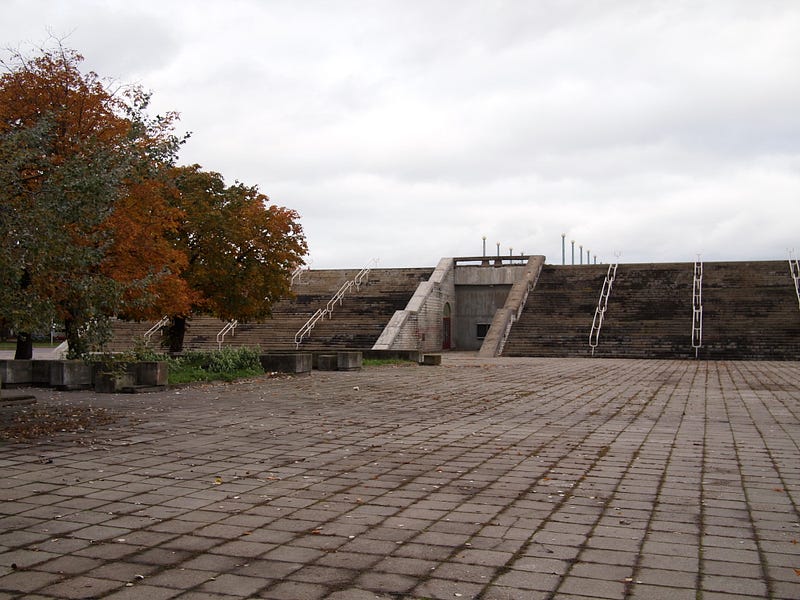
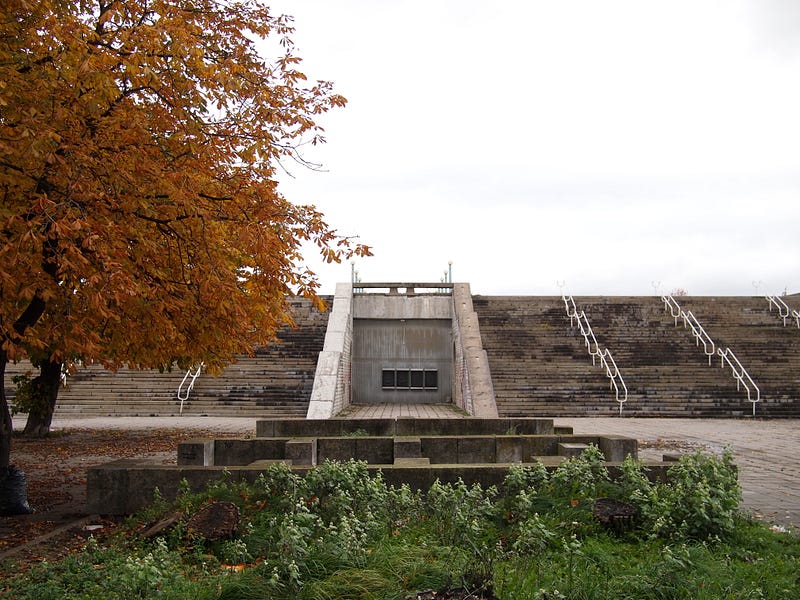
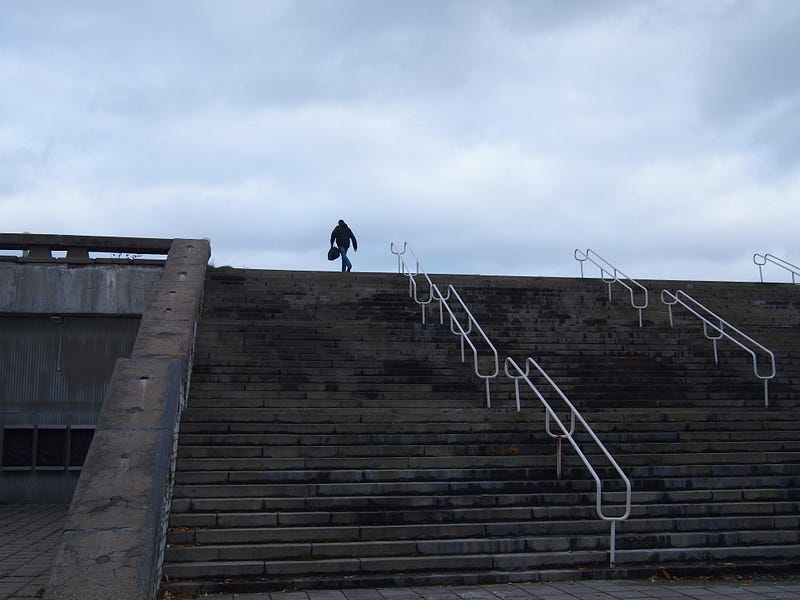
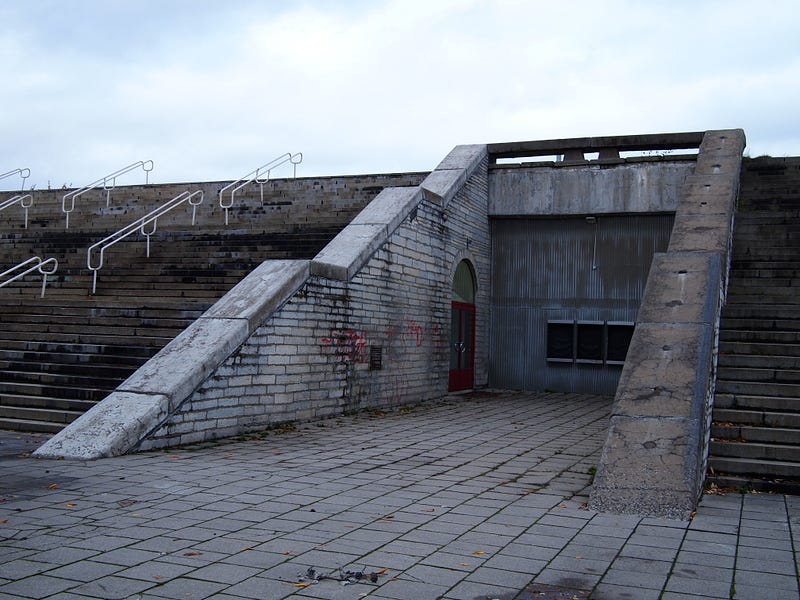
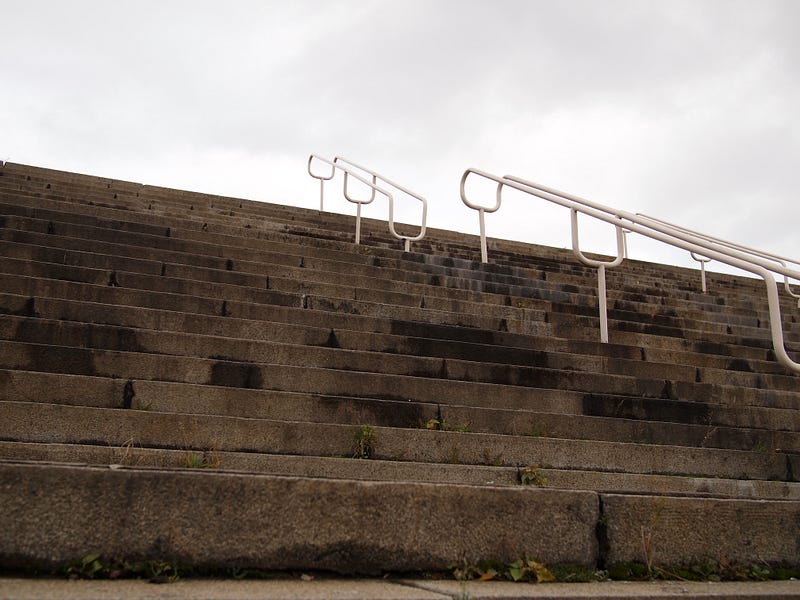
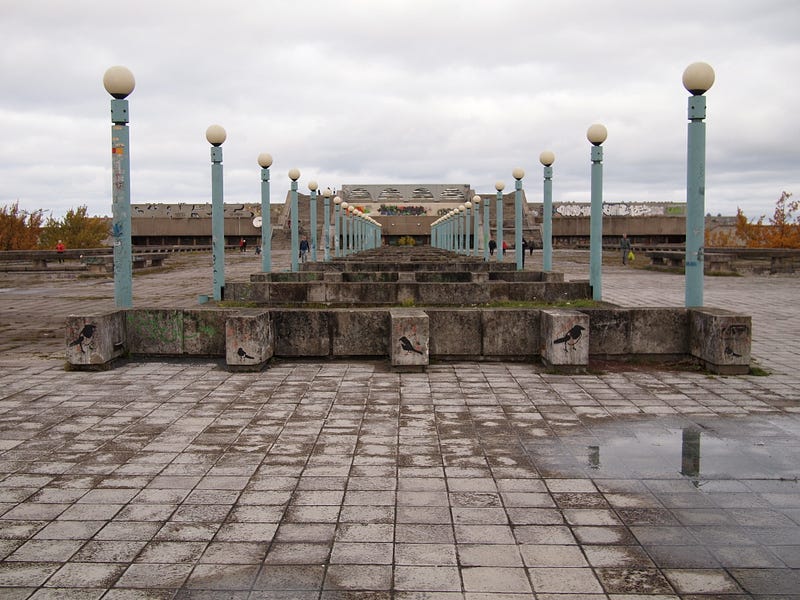
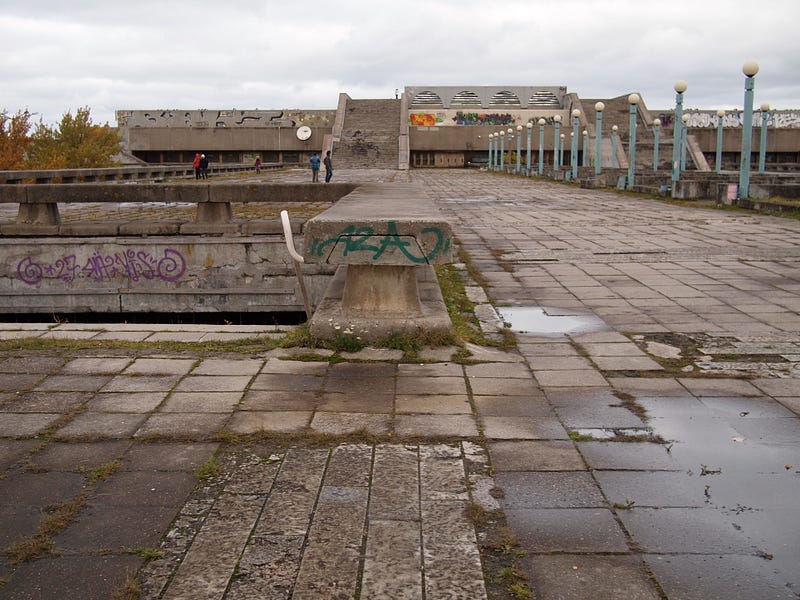
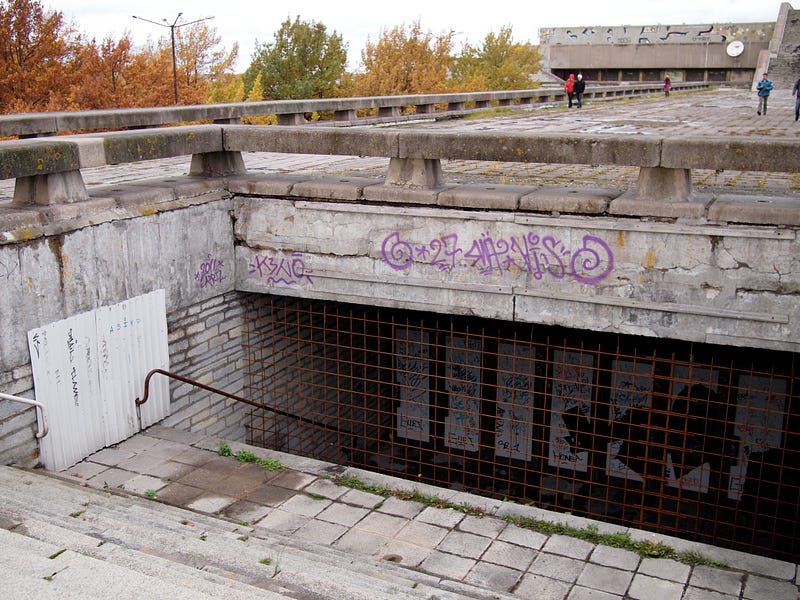
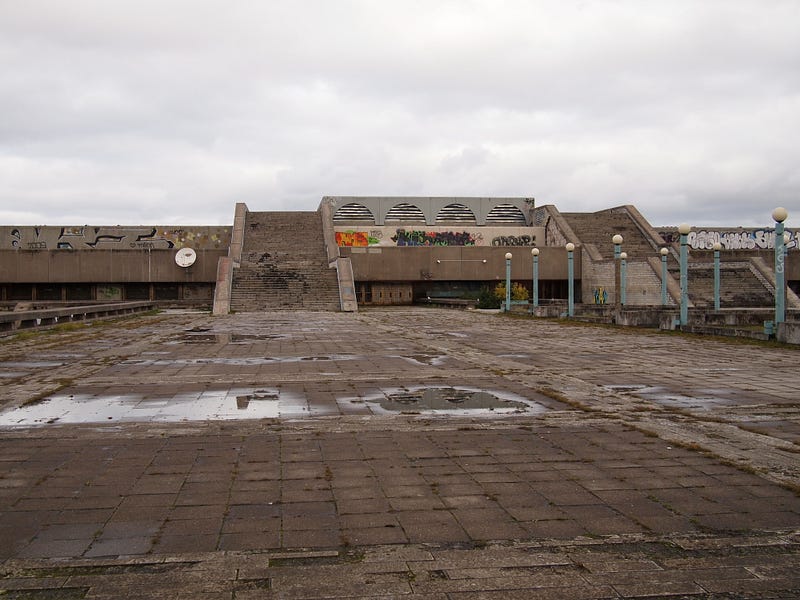
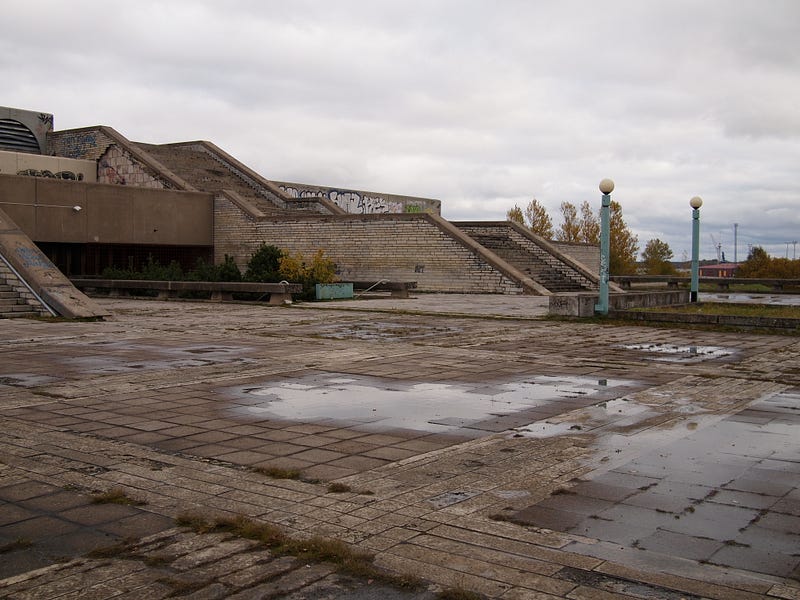
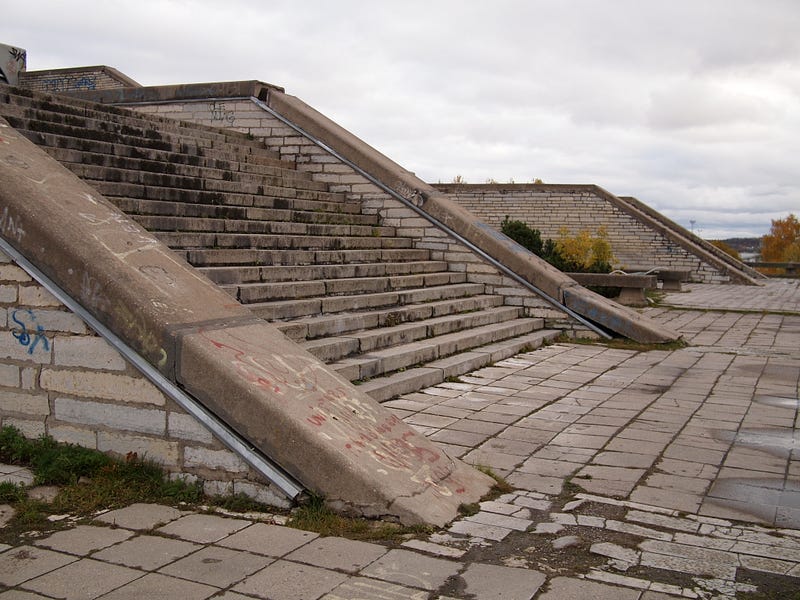
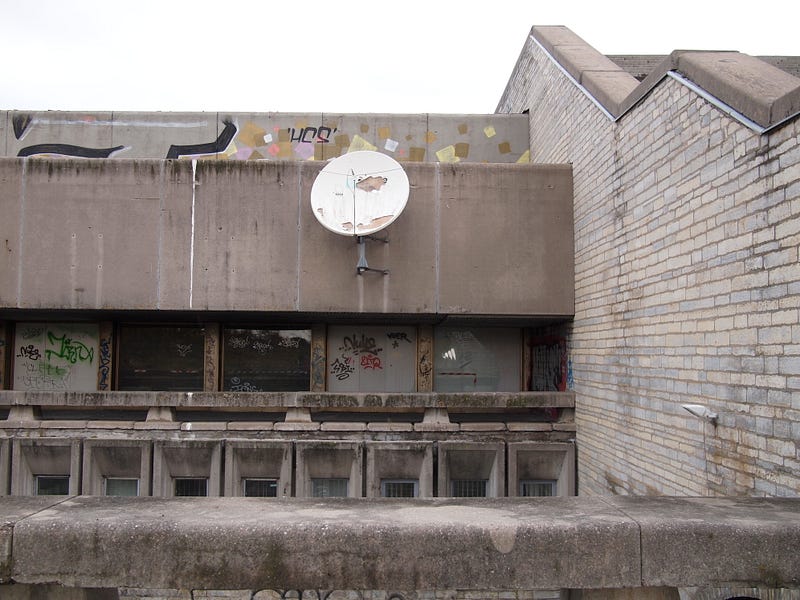
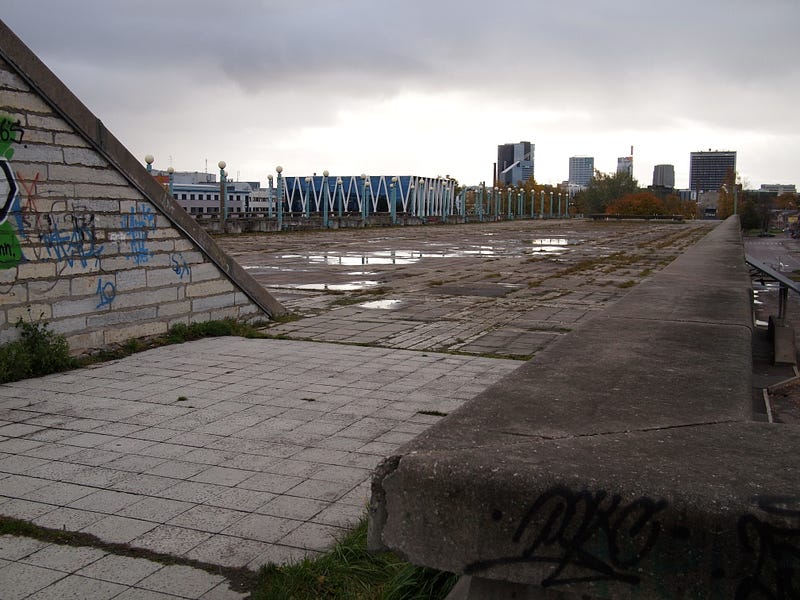
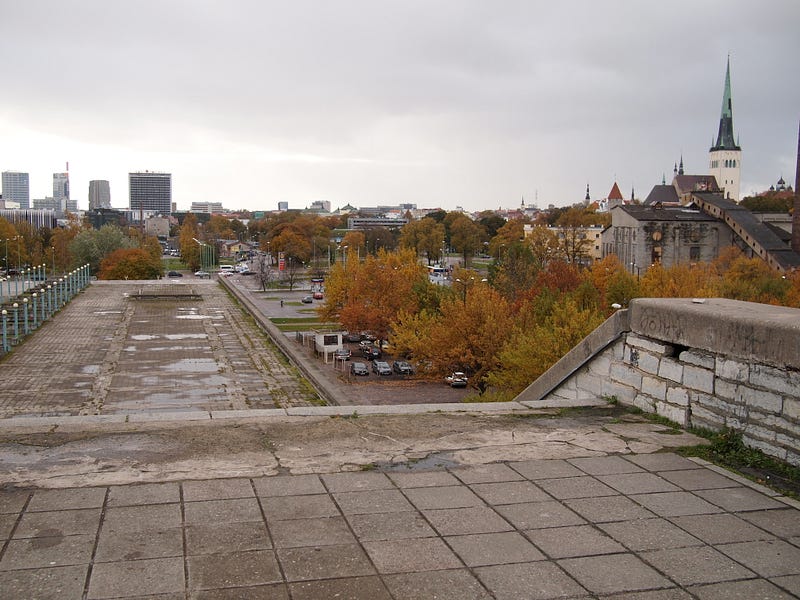
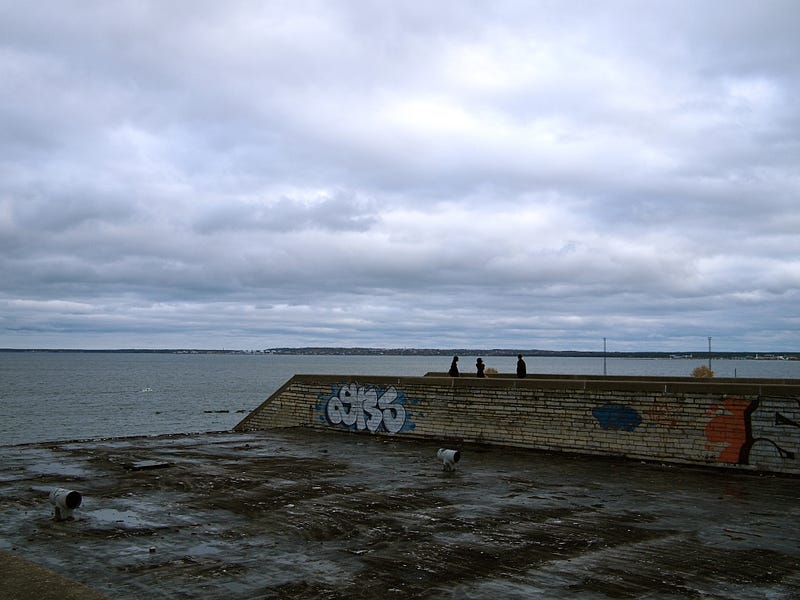
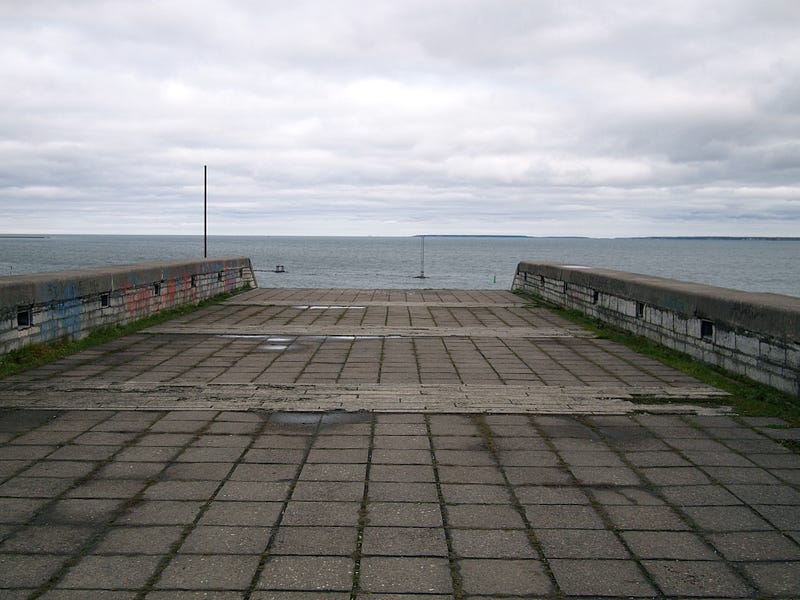
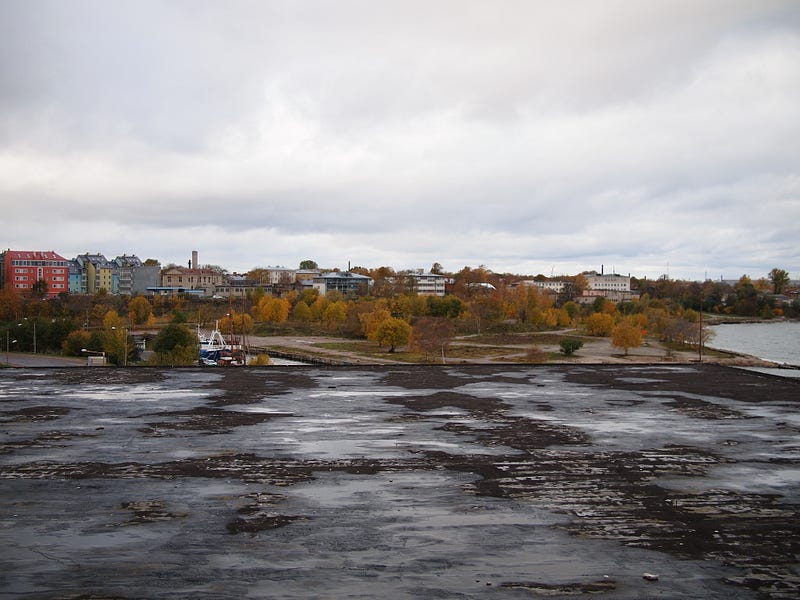
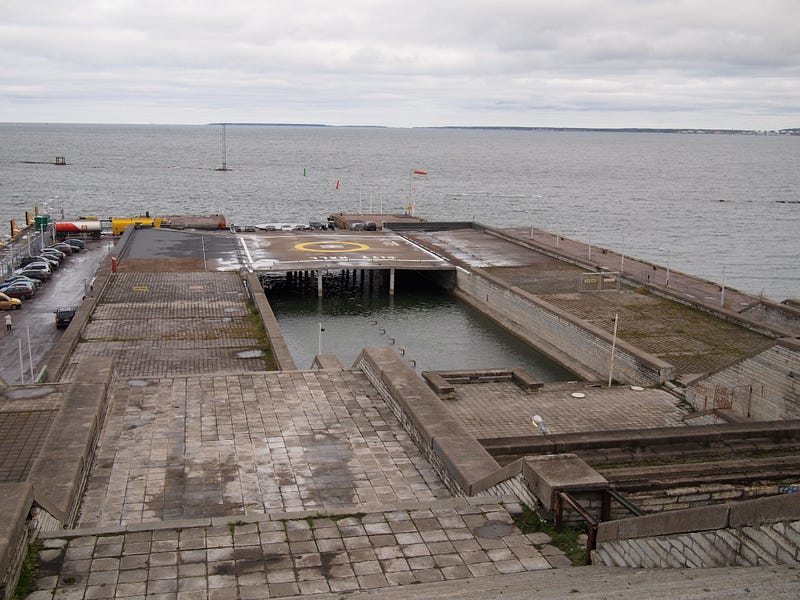
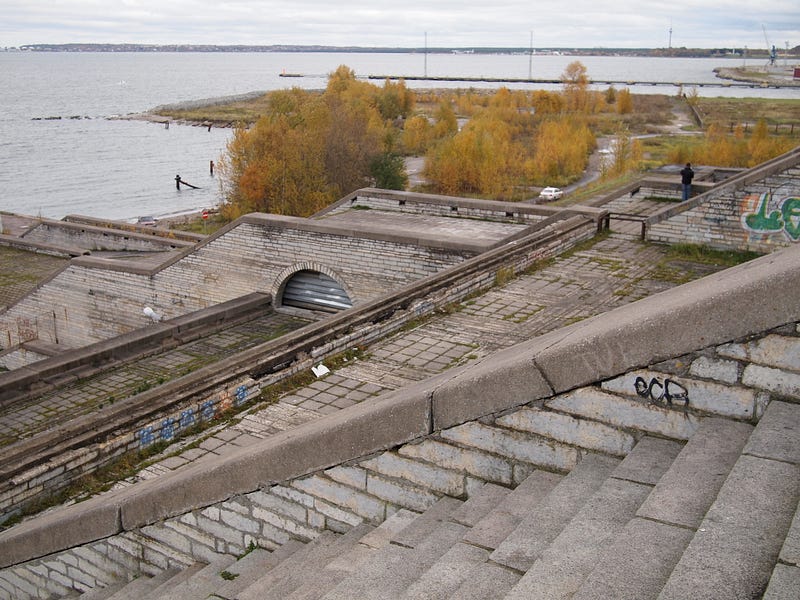
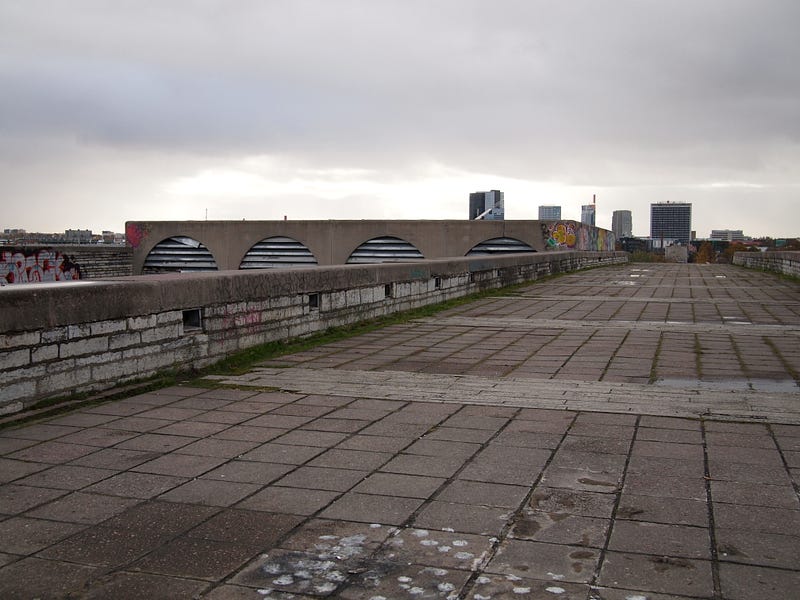
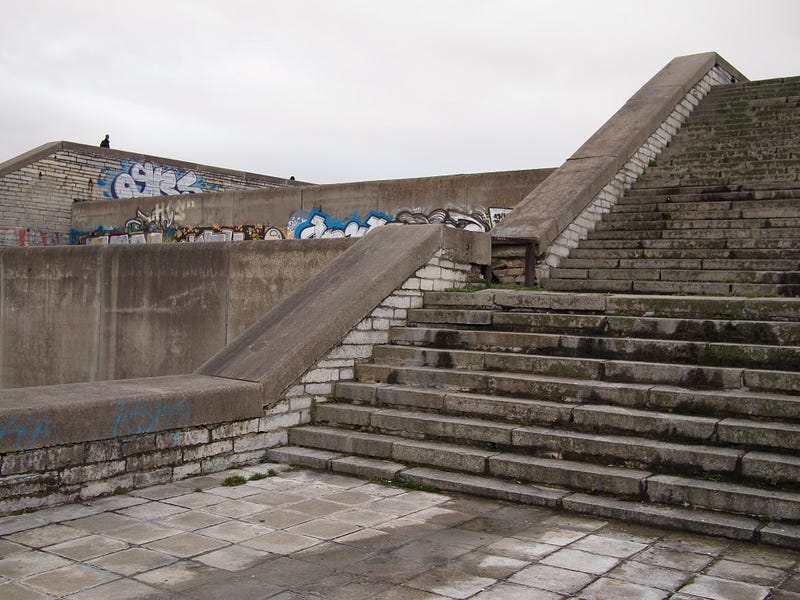
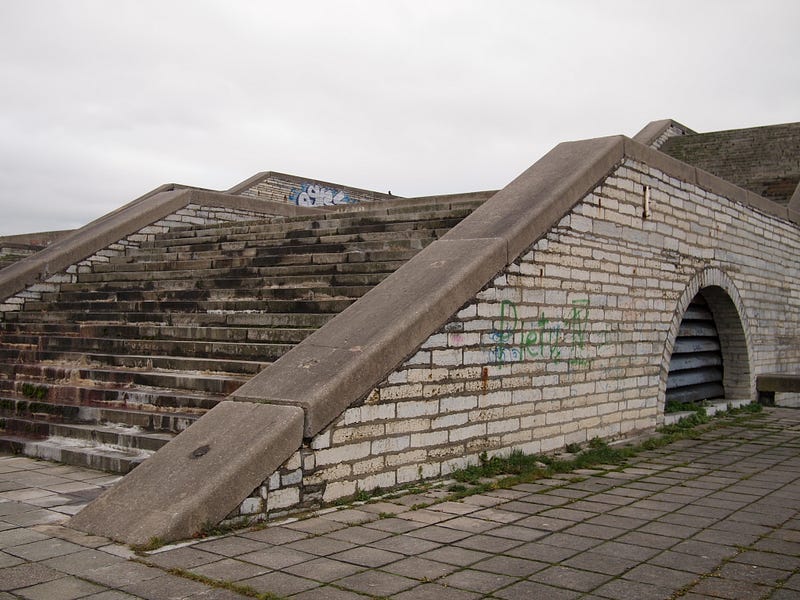
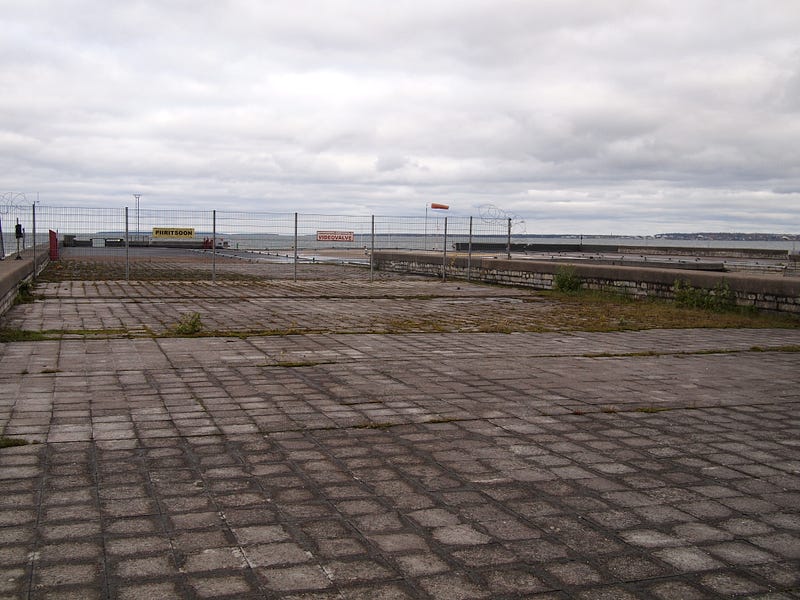
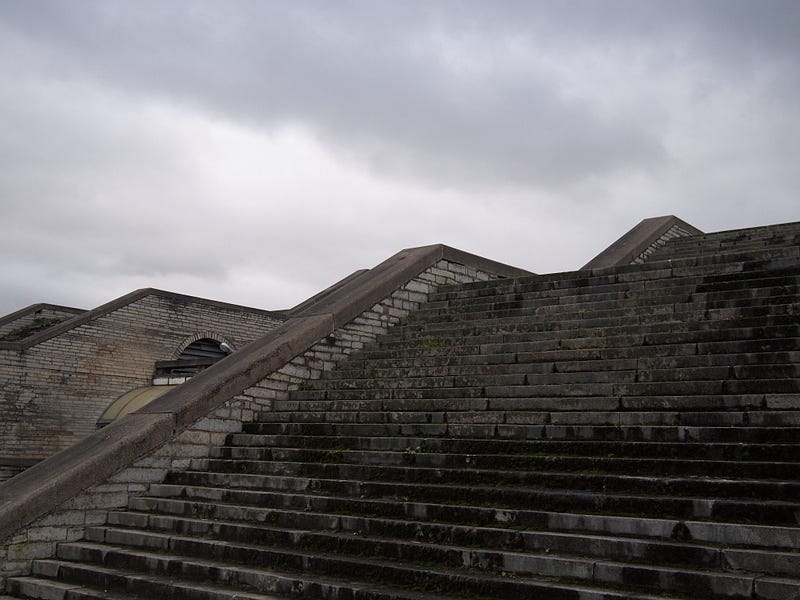
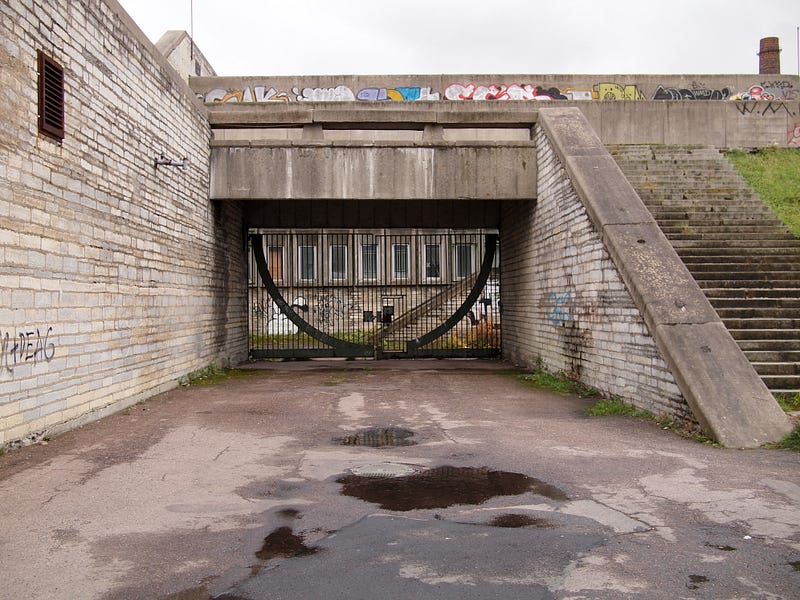
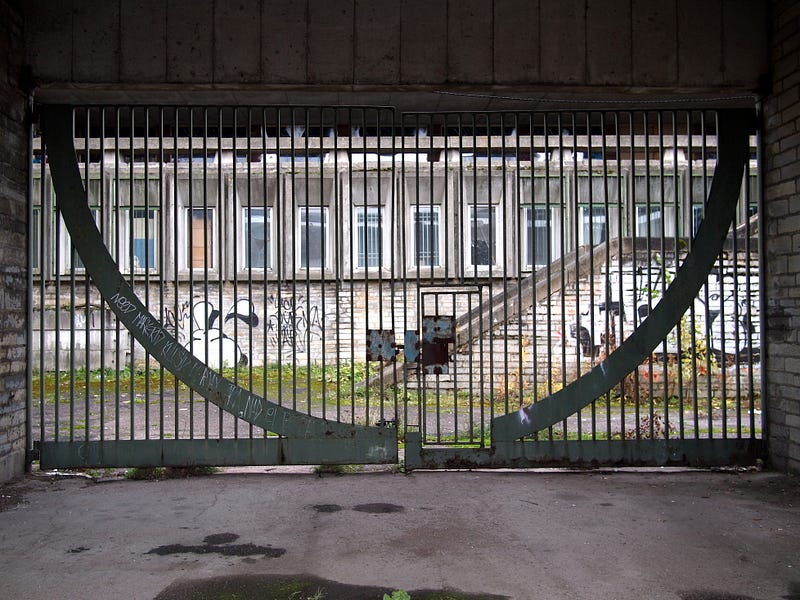
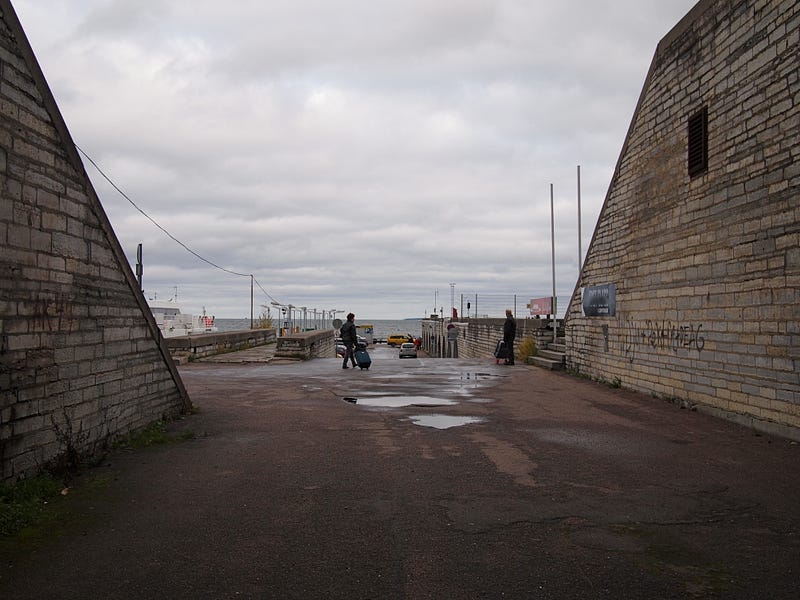
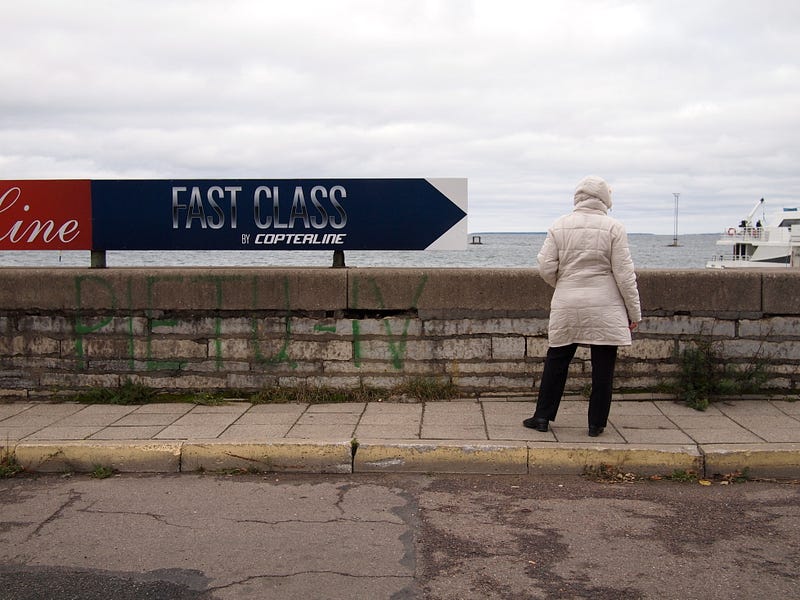
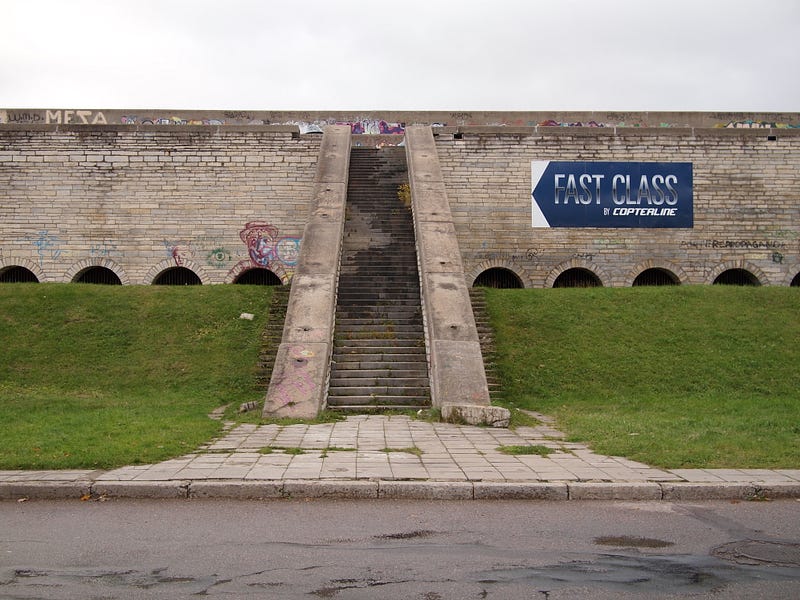
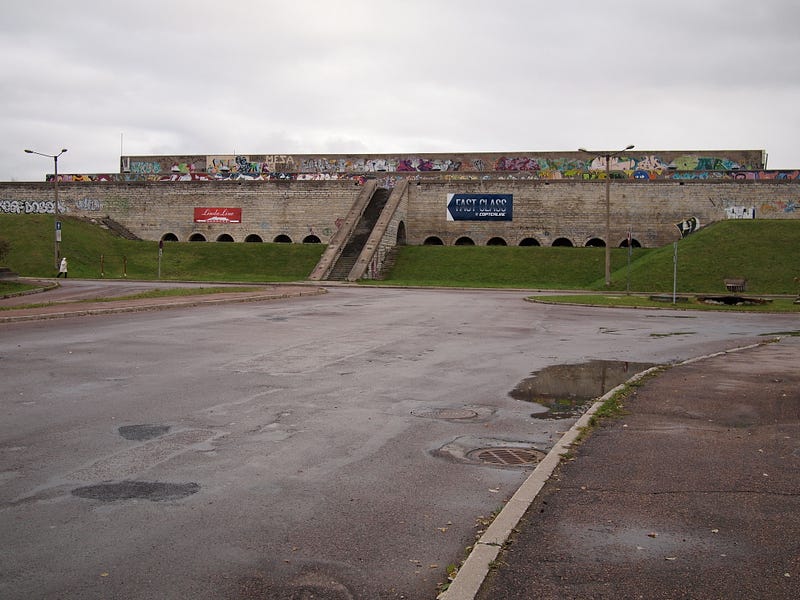
The article recounts a brief exploration of Linnahall, a once grand concert and leisure venue constructed as part of the 1980 Moscow Olympic Games' nautical extension. Now largely abandoned, the megastructure primarily serves as a heliport to Helsinki and a dock for catamarans, with much of its space left derelict. Despite its disuse, the author finds the venue appealing in its own right, noting its open and inviting atmosphere. The architects behind this now decaying brutalist structure are Raine Karp and Riina Altmäe. The article is accompanied by a series of photographs capturing the essence of the Linnahall's current state and its architectural features.
Opinions
- The author perceives Linnahall as an intriguing and appealing place despite its derelict condition.
- The Linnahall is described as largely disused, indicating a sense of neglect or underutilization of a once significant public space.
- The architecture, a product of the collaboration between Raine Karp and Riina Altmäe, is implied to be of notable importance, possibly in the brutalist style, given its connection to the Olympic Games and its current state of decay.
- The use of Linnahall as a heliport and catamaran dock suggests a repurposing of the space, though it is not the original intended use.
- The inclusion of numerous photographs indicates the author's appreciation for the visual and historical aspects of the venue, as well as a desire to convey its atmosphere to the reader.