
LinkedIn Machine Learning Engineer interview 2020/2021 Part 3: Product Design
In this interview preparation series, I outlined the most common questions I learned from my friends who interviewed at LinkedIn for a Machine Learning Engineer position.
The Product Design round is more difficult than other rounds. LinkedIn AI has multiple ML teams work on LinkedIn features.
Feed AI
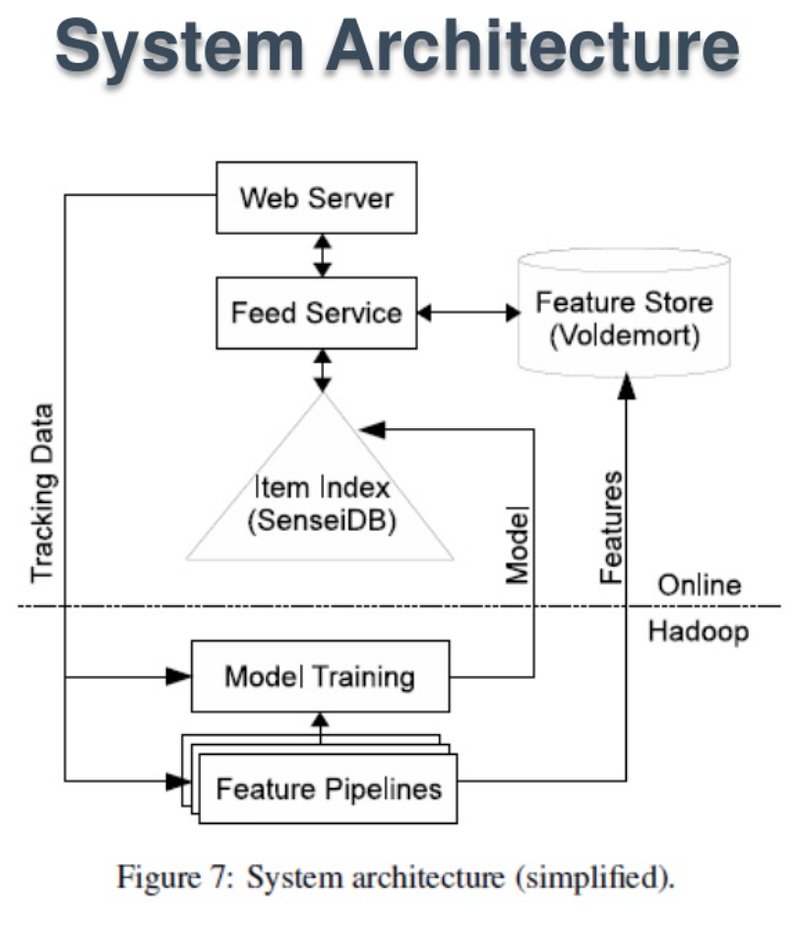
You will be asked to design LinkedIn features using ML related to LinkedIn home feeds: ranking and personalization. You should be familiar with techniques like Learning to Ranking, Explore/Exploit, Deep Learning, and Reinforcement Learning, coupled with multi-objective optimization and supply-demand analysis.
You can prepare for this round by reading through the following documents.
- LinkedIn Feed Ranking
- Constrained Optimization for Homepage Relevance
- Understanding dwell time to improve LinkedIn Feed Ranking
- People You May Know (PYMK)
- LinkedIn FeedRanking on educative ML System Design course
Ads AI
You will design features related to member personalization for all ad formats, placements, and objectives; marketplace optimization via targeting, bidding & budget pacing, and pricing algorithms. You might want to know some techniques in deep-learning, active learning, bandits, auction design, multi-objective optimization, graph algorithms, as well as building low-latency systems to serve these complex models in real time.
Jobs Marketplace AI
Use cases around designing an auction mechanism that determines the set of jobs to be shown on all paid job inventory on LinkedIn, and blending the paid & organic jobs to deliver value commensurate with spending, while ensuring high engagement from tens of millions of job seekers.
Fraud & Anti Abuse
Comment use cases include identifying patterns in large scale attacks and taking them down proactively before attackers get a chance to engage in nefarious activity.
- ML behind fighting harassment at LinkedIn
- Automated Fake Account Detection at LinkedIn
- Fighting abuse at scale
Standardization
LinkedIn AI relies on a lot of standardized data from multiple sources. At the heart of this is the LinkedIn knowledge graph.
Segments AI
These team partners help LinkedIn grow internally. Common use cases include Feed Ranking, Notifications, People You May Know, Follow Recommendations, and Job Recommendations.
Communities AI
Design features in LinkedIn Video Stories, Content Discovery, and Content Quality.
Read more
Support me to read more content like this. If you have any questions, you can drop me an email: [email protected].


