avatarTodd B Harrington

Free AI web copilot to create summaries, insights and extended knowledge, download it at here

1274

Abstract

f you choose to isolate only the reflection of the subject.</p><figure id="dda4"><img src="https://cdn-images-1.readmedium.com/v2/resize:fit:800/1*VRkVs1vAIwtTBFKFr9MlFQ.jpeg"><figcaption>(Photo by Author, © <a href="https://medium.com/@tbh1930">Todd B Harrington</a>)</figcaption></figure><p id="01ef">Black acrylic is also a dust magnet.</p><p id="b53b">Through the macro lens, every spec of dust anywhere near the subject will show up as a distraction. If not properly cleaned and cared for it’s pretty easy to end up with the “dirty glass” effect. And yes, it also scratches ever so easily.</p><p id="87ef">That said, even though there is a definite learning curve while using this material, black acrylic is still a fun material to work with. Creative boundaries easily expand with subtle touches of imagination while using this reflective technique.</p><p id="97f0">Some of the smallest things take on another look under the macro lens.</p><figure id="5741"><img src="https://cdn-images-1.readmedium.com/v2/resize:fit:800/1*IGUvRSybU8mY142YVI4mFw.jpeg"><figcaption>(Photo by Author, © <a href="https://medium.com/@tbh1930">Todd B Harrington</a>)</figcaption></figure><p id="ddee">Did I mention the learning curve already?</p><p id="cd8c">The above image is salt crysta

Options

ls. Those small little specs we shake on our food. As small as those particles are, it was challenging obtaining focus with the amount of magnification going on. The depth of field here is minuscule.</p><p id="db79">The above is also an example of the sensitivity of the acrylic material. Top right, at the edge of the picture, there is a tiny scratch. To the naked eye it wasn’t visible. It creates a blemish in this photograph, but rather than edit it out, I went with it as an example of how <i>everything </i>gets magnified using the macro/black acrylic combination.</p><p id="bb34">Just like threading a needle, lots of patience is required.</p><p id="3765"><i>More from this writer:</i></p><div id="9ad6" class="link-block"> <a href="https://readmedium.com/medium-content-index-b050db5ce570"> <div> <div> <h2>This Is What I Have Written…</h2> <div><h3>An Index of my Medium Content…</h3></div> <div><p>medium.com</p></div> </div> <div> <div style="background-image: url(https://miro.readmedium.com/v2/resize:fit:320/1*bV7xNVY4aZWpdIBlUag44w.jpeg)"></div> </div> </div> </a> </div></article></body>

Like Threading A Needle…

On black acrylic
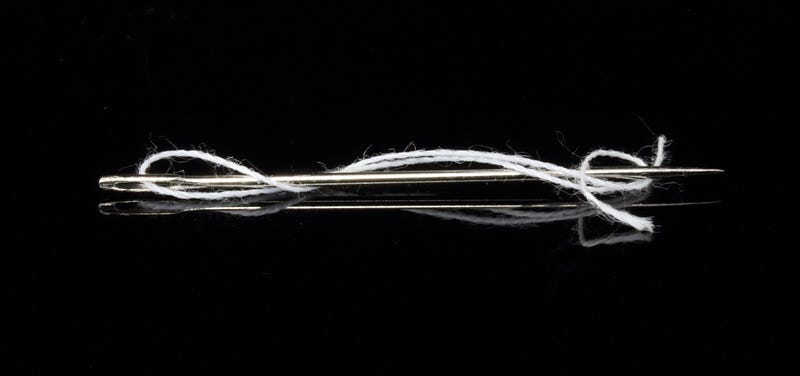
(Photo by Author, © Todd B Harrington)

The macro lens is a very powerful tool to have in your photography toolbox. It can give you the ability to capture images from a whole different perspective.

Additionally, light is a key ingredient in generating artistic effects surrounding an image. A well-positioned light source can complement all the other aspects of the subject.

Reflection is another enhancement that while effective, can be tedious to set up.

Creating a reflection of the image subject can be achieved through use of black acrylic. Be aware though, because of the reflective properties of the material, it does want to literally reflect everything within its viewing angle.
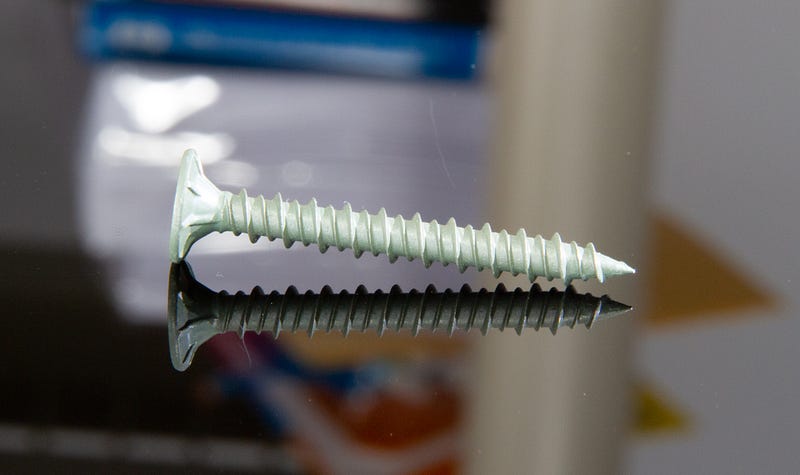
Therefore, attention must be given to backdrops, side covers, or overhead covers if you choose to isolate only the reflection of the subject.
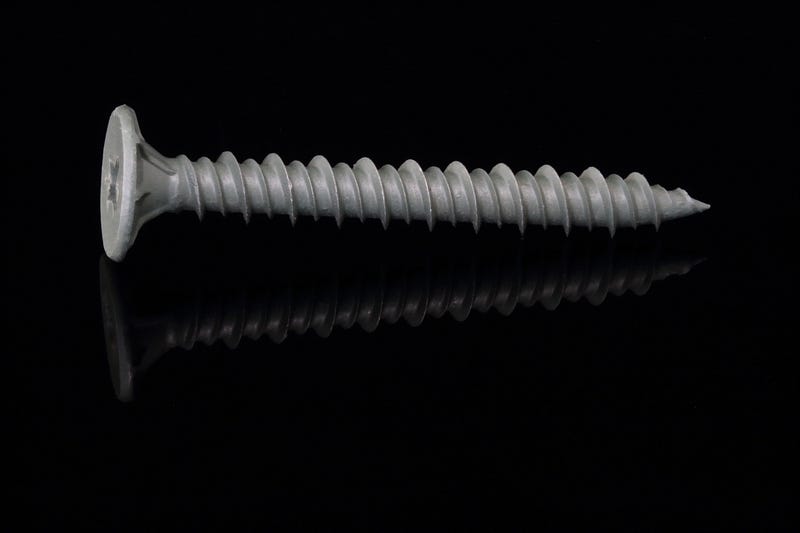
(Photo by Author, © Todd B Harrington)

Black acrylic is also a dust magnet.

Through the macro lens, every spec of dust anywhere near the subject will show up as a distraction. If not properly cleaned and cared for it’s pretty easy to end up with the “dirty glass” effect. And yes, it also scratches ever so easily.

That said, even though there is a definite learning curve while using this material, black acrylic is still a fun material to work with. Creative boundaries easily expand with subtle touches of imagination while using this reflective technique.

Some of the smallest things take on another look under the macro lens.
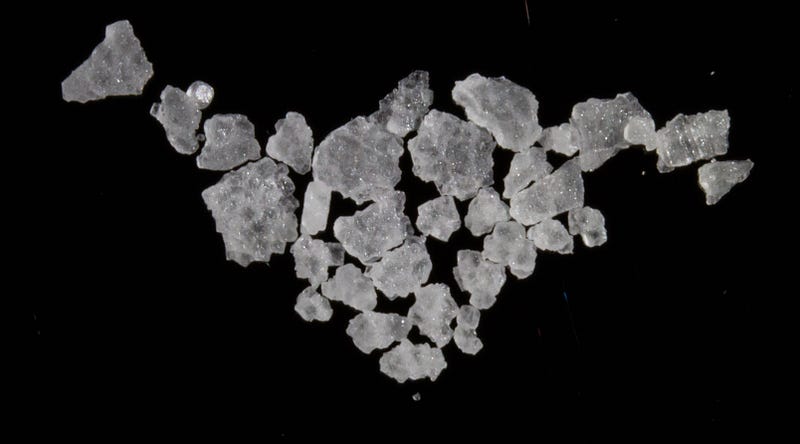
(Photo by Author, © Todd B Harrington)

Did I mention the learning curve already?

The above image is salt crystals. Those small little specs we shake on our food. As small as those particles are, it was challenging obtaining focus with the amount of magnification going on. The depth of field here is minuscule.

The above is also an example of the sensitivity of the acrylic material. Top right, at the edge of the picture, there is a tiny scratch. To the naked eye it wasn’t visible. It creates a blemish in this photograph, but rather than edit it out, I went with it as an example of how everything gets magnified using the macro/black acrylic combination.

Just like threading a needle, lots of patience is required.

More from this writer:

Full Frame
Photography
Macro
Creative
Macro Photography
Recommended from ReadMedium