avatarDark Energy Articles

Free AI web copilot to create summaries, insights and extended knowledge, download it at here

3094

Abstract

also professional observers. Road safety — glare, caused for instance by a glaring billboard, can lead to accidents.</li><li><b>Animal well-being </b>— according to scientists, excessive artificial light is harmful to birds, disorienting migrating birds. Sometimes, when they get trapped in a beam of light, they cannot escape. Lower levels of melatonin have been observed in storks. This hormone is responsible not only for sleep but also for navigation in these animals, so they may have difficulty reaching their nests.</li><li><b>Plants </b>— some plants growing near light sources have disrupted life cycles and cease to bloom. This, in turn, can prevent them from being pollinated.</li></ul><figure id="61a0"><img src="https://cdn-images-1.readmedium.com/v2/resize:fit:800/1*ZcsDNWQA1xEiDEmNHXr-vA.jpeg"><figcaption>[Photo by Piccinng from <a href="https://www.pexels.com/photo/photo-of-city-during-night-3125171/">Pexels</a>]</figcaption></figure><h1 id="43df">How to Fight Light Pollution?</h1><p id="0b0a">Contrary to appearances, sensible light management is quite simple. However, it requires conscious actions and adherence to a few simple principles. At the same time, you can save on electricity consumption.</p><ul><li><b>Illuminate where necessary </b>— not all places require lighting. Therefore, when choosing the placement of street lamps or halogens, think twice. Lamp housing — use outdoor light housings that direct the light beam towards the ground. Avoid installing “light globes” that cause light to be emitted upwards. Make sure the light does not fall on building facades — light is not needed there!</li><li><b>Light color </b>— especially with LED lighting, remember to choose a warm color (amber) instead of white.</li><li><b>Lamp power </b>— LED lamps may tempt you to use higher power because they consume little energy. Consider whether the lamp really needs to be that powerful.</li><li><b>Additional elements </b>— to prevent light from falling on building facades, consider planting trees between the light source and the house. Trees also reduce secondary light scattering, thus limiting the occurrence of skyglow.</li></ul><figure id="9300"><img src="https://cdn-images-1.readmedium.com/v2/resize:fit:800/1*SU6Qa25xpKzRgJFLTydG_A.jpeg"><figcaption>[Photo by Anderson Guerra from <a href="https://www.pexels.com/photo/woman-holds-led-large-ball-1130813/">Pexels</a>]</figcaption></figure><h1 id="dc04">Want to sleep well and enjoy good health? Turn off the lights.</h1><p id="956a">As a key element in combating light pollution, health can be highlighted. Insomnia is a real scourge today. Many people may not realize the importance of sleeping in a dark room.</p><p id="0a55">This is related to melatonin, the sleep hormone, which lowers blood pressure, glucose levels, and body temperature. These are important factors for a restful sleep. Melatonin is secreted by the gland called the pineal gland, but this happens when it’s dark. This hormone is responsible for the functioning of the biological clock and regulates daily rhythms, including sleep and

Options

wakefulness.</p><p id="fb8d"><b>There’s less of this hormone when we stare at a computer or mobile phone screen, which also emits short wavelength blue light. </b>It’s worth using blue light filters in the evening. Artificial lighting that can reach the bedroom from outside through windows, as well as lighting inside the room, unnaturally raises cortisol levels at night, disrupting sleep.</p><p id="b337">Additional light disrupts the functioning of our biological clock. It not only reduces sleep quality but can also lead to overweight and obesity. This conclusion arises from studies conducted on a large group of people in the UK.</p><figure id="1600"><img src="https://cdn-images-1.readmedium.com/v2/resize:fit:800/1*jo4WI7qrjnGHKDywqLV1Zw.jpeg"><figcaption>[Photo by SHVETS production from <a href="https://www.pexels.com/photo/woman-lying-on-bed-while-using-a-cellphone-8036689/">Pexels</a>]</figcaption></figure><h1 id="d9b2">The problem of excessive nighttime lighting is growing.</h1><p id="0ea8">There is increasing discussion and action aimed at reducing air pollution. In recent years, public debate about smog and its consequences for human life has started in Poland. However, few people are aware of the danger associated with excessive nighttime lighting.</p><p id="247f">Artificial light pollution worldwide is increasing at an alarming rate. It’s estimated to be around 6 percent annually in the USA alone. Is it time to raise the alarm?</p><div id="40f9" class="link-block"> <a href="https://readmedium.com/dragon-man-emerges-latest-reconstruction-of-homo-longi-from-china-cb555bde9b78"> <div> <div> <h2>Dragon Man Emerges: Latest Reconstruction of Homo Longi from China</h2> <div><h3>The Homo longi skull was found 90 years ago in China. Only a few years ago was it established that it belonged to a…</h3></div> <div><p>medium.com</p></div> </div> <div> <div style="background-image: url(https://miro.readmedium.com/v2/resize:fit:320/1*cagSMGcwVGSVpMY3UT9GDA.jpeg)"></div> </div> </div> </a> </div><h1 id="d9df">Attention all readers!</h1><p id="bb38"><b><i>As content creators on Medium.com, we face minimal compensation for our hard work. If you find value in my articles, please consider supporting me on my “<a href="https://www.buymeacoffee.com/oconnel">Buy Me a Coffee</a>” page. Your small contributions can make a big difference in fueling my passion for creating quality content. Thank you for your support!</i></b></p><figure id="1057"><img src="https://cdn-images-1.readmedium.com/v2/resize:fit:800/0*Pm9TOr-5svmNuuXB.png"><figcaption><a href="https://www.buymeacoffee.com/oconnel">https://www.buymeacoffee.com/oconnel</a></figcaption></figure><figure id="71ef"><img src="https://cdn-images-1.readmedium.com/v2/resize:fit:800/0*KJc52P2X8j4VSRWK.png"><figcaption><a href="https://www.buymeacoffee.com/oconnel">https://www.buymeacoffee.com/oconnel</a></figcaption></figure></article></body>

Light pollution is a serious issue not only for astronomers but also for people.

It is not just a problem for astronomers conducting star observations. Unnecessary artificial light used at night also negatively impacts the behaviors of wildlife and degrades human health. What do you need to know about light pollution?
[Photo by Pixabay]

Every day, we deal with various types of environmental pollution affecting the air, water, or soil. Among them are dust, chemicals, or noise. But can light be detrimental? After all, light, unlike darkness, evokes positive associations.

What is light pollution?

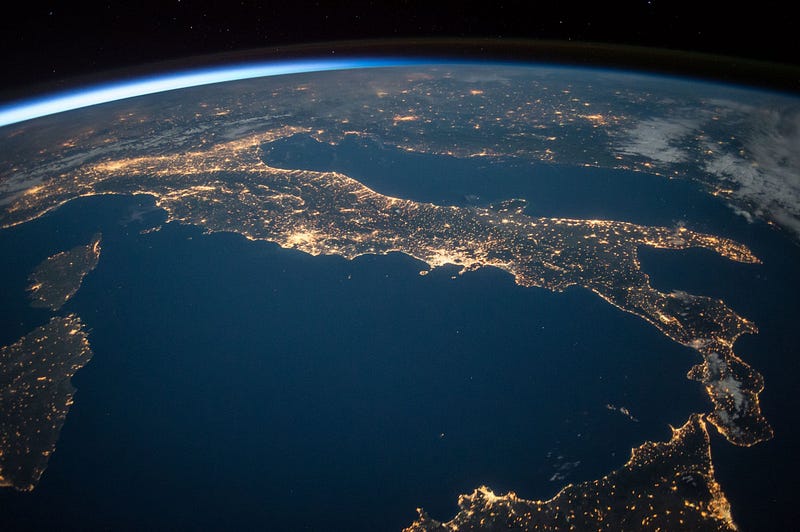
Light pollution is the disruption of the natural nighttime environment by human-generated light, mainly in the form of outdoor lighting, such as street lamps, halogens, or neons.

This does not mean that all outdoor lighting should be considered as generating light pollution. This phenomenon occurs only when artificial light is used improperly.

Types of light pollution

Experts have identified several categories of light pollution. Among them, the most important ones are:

  • Skyglow — occurs when outdoor lighting is emitted upwards towards the sky. It is then scattered by clouds, fog, and atmospheric pollutants. Skyglow is visible as a glow that can be observed in cities and rural areas.
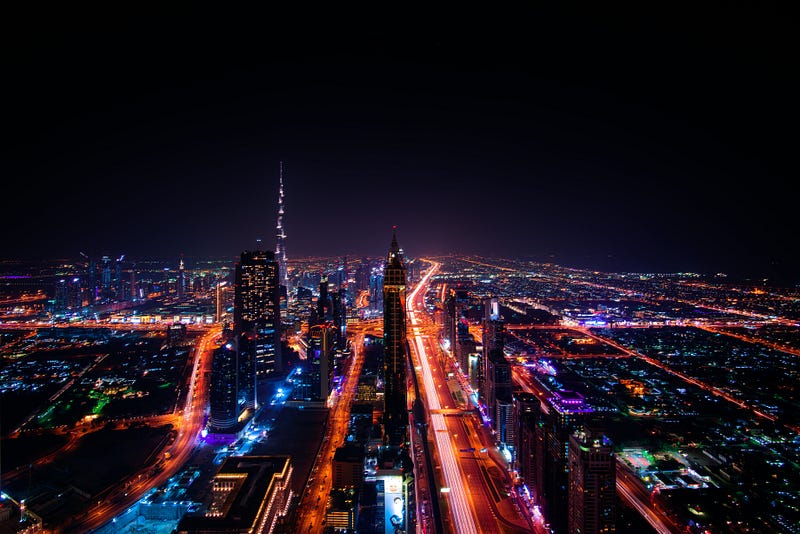
  • Glare — sometimes external light sources, like LED street lamps, are too intense, causing a dazzling brightness. This excessive brightness contributes to the creation of contrasts that cause discomfort for nighttime observers, leading to road accidents.
  • Light trespass — this term refers to light that penetrates through the windows of homes and apartments, disrupting sleep.
[Photo by Pixabay]

Why is light pollution harmful?

Darkness is necessary not only for animals but also for humans. It’s not just about the ability to view a beautiful starry sky but also about health. Here are the main problems associated with excessive artificial light at night:

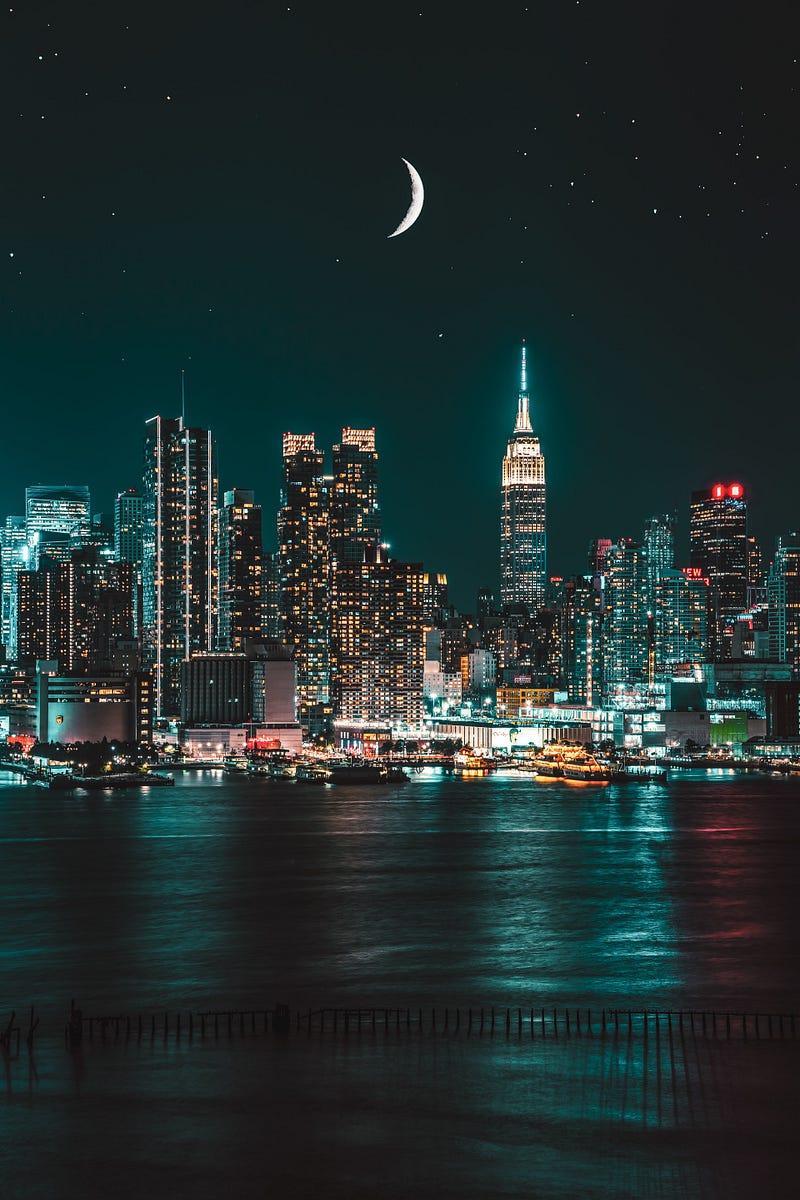
  • Human health — unwanted nighttime light disrupts the human circadian rhythm. This is a significant medical cause of reduced melatonin production (a hormone that induces sleepiness), weakened immune systems, and increased cancer rates.
  • Astronomical observations — light pollution makes stars and other celestial bodies invisible in some areas. This phenomenon increasingly hinders not only amateur astronomers but also professional observers. Road safety — glare, caused for instance by a glaring billboard, can lead to accidents.
  • Animal well-being — according to scientists, excessive artificial light is harmful to birds, disorienting migrating birds. Sometimes, when they get trapped in a beam of light, they cannot escape. Lower levels of melatonin have been observed in storks. This hormone is responsible not only for sleep but also for navigation in these animals, so they may have difficulty reaching their nests.
  • Plants — some plants growing near light sources have disrupted life cycles and cease to bloom. This, in turn, can prevent them from being pollinated.
[Photo by Piccinng from Pexels]

How to Fight Light Pollution?

Contrary to appearances, sensible light management is quite simple. However, it requires conscious actions and adherence to a few simple principles. At the same time, you can save on electricity consumption.

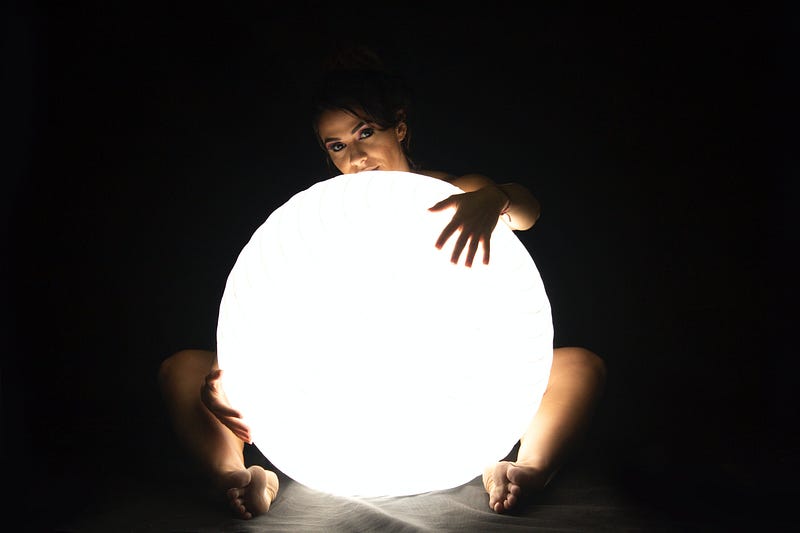
  • Illuminate where necessary — not all places require lighting. Therefore, when choosing the placement of street lamps or halogens, think twice. Lamp housing — use outdoor light housings that direct the light beam towards the ground. Avoid installing “light globes” that cause light to be emitted upwards. Make sure the light does not fall on building facades — light is not needed there!
  • Light color — especially with LED lighting, remember to choose a warm color (amber) instead of white.
  • Lamp power — LED lamps may tempt you to use higher power because they consume little energy. Consider whether the lamp really needs to be that powerful.
  • Additional elements — to prevent light from falling on building facades, consider planting trees between the light source and the house. Trees also reduce secondary light scattering, thus limiting the occurrence of skyglow.
[Photo by Anderson Guerra from Pexels]

Want to sleep well and enjoy good health? Turn off the lights.

As a key element in combating light pollution, health can be highlighted. Insomnia is a real scourge today. Many people may not realize the importance of sleeping in a dark room.

This is related to melatonin, the sleep hormone, which lowers blood pressure, glucose levels, and body temperature. These are important factors for a restful sleep. Melatonin is secreted by the gland called the pineal gland, but this happens when it’s dark. This hormone is responsible for the functioning of the biological clock and regulates daily rhythms, including sleep and wakefulness.

There’s less of this hormone when we stare at a computer or mobile phone screen, which also emits short wavelength blue light. It’s worth using blue light filters in the evening. Artificial lighting that can reach the bedroom from outside through windows, as well as lighting inside the room, unnaturally raises cortisol levels at night, disrupting sleep.

Additional light disrupts the functioning of our biological clock. It not only reduces sleep quality but can also lead to overweight and obesity. This conclusion arises from studies conducted on a large group of people in the UK.
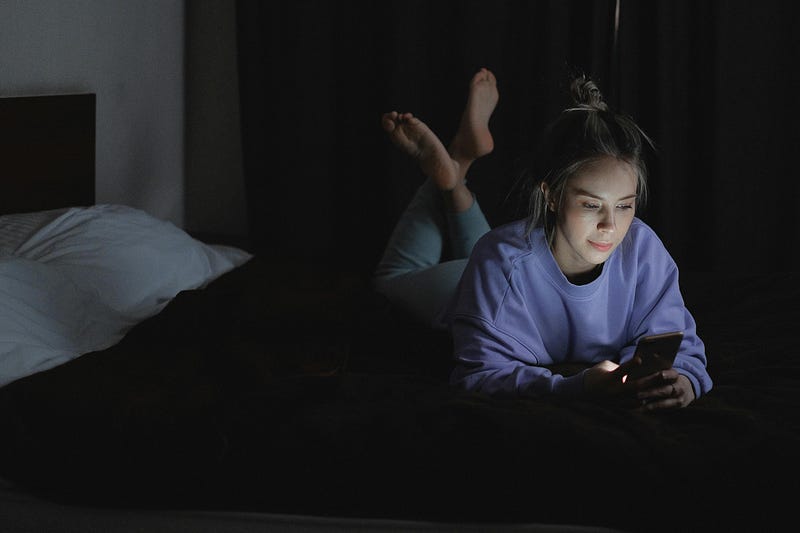
[Photo by SHVETS production from Pexels]

The problem of excessive nighttime lighting is growing.

There is increasing discussion and action aimed at reducing air pollution. In recent years, public debate about smog and its consequences for human life has started in Poland. However, few people are aware of the danger associated with excessive nighttime lighting.

Artificial light pollution worldwide is increasing at an alarming rate. It’s estimated to be around 6 percent annually in the USA alone. Is it time to raise the alarm?

Attention all readers!

As content creators on Medium.com, we face minimal compensation for our hard work. If you find value in my articles, please consider supporting me on my “Buy Me a Coffee” page. Your small contributions can make a big difference in fueling my passion for creating quality content. Thank you for your support!

https://www.buymeacoffee.com/oconnel
Science
Light
Health
Life
Nature
Recommended from ReadMedium