
Life Threatening Ignorance
Prevention and Awareness: The Alarming Rise of Food Allergies
What if touching a peanut could kill your child?
For millions of families, this is a terrifying reality.
You can read this article for free with this link. Enjoy.
Do you recall back in 2007 when food allergies weren’t discussed and basically didn’t exist?
Read this article for free with this link. Enjoy.
Well, they were around but it wasn’t at the top of the list like it is now. You probably knew a kid with a peanut allergy, but they stayed in their lane and kept themselves safe.
I think there was only one kid in my high school that was allergic to peanuts and they just didn’t eat lunch in the cafeteria. Now everyone knows a child with a peanut allergy.
Here’s another one.
The first time I ever heard someone say “gluten allergy” was in 2009. Only the KM knew what the heck the customer was talking about, and at TRH the only safe option was salmon. Over the next two years gluten and peanut allergies went from a topic seldom mentioned to something we dealt with every day. At least once.
What happened in those two years? Wish I had the scientific reports.
When I worked in Rock Center, NY, we had individuals who would come into the restaurant to eat and bring a thirty item long list, sometimes even laminated, of ingredients that weren’t allowed near their food.
Honestly, we appreciated the cards because many people expected our poor serving staff to read minds or see the future. An allergy card is short sweet and to the point.
Thank you to those who use them.
A single guest could make the entire culinary machine grind to a halt just to make sure we didn’t accidentally kill someone. Getting a few of those allergy lists on a Saturday night was a serious problem and an even bigger headache.
Once, we had a peanut from calamari appetizer slide off its plate and fall onto the one just below it. That plate happened to belong to a customer with a peanut allergy. Why were the plates being carried together you ask? The patron never mentioned being allergic to peanuts.
Have you ever seen the consequences of cross contact? I have. Anaphylaxis is not funny.
Due to the sheer volume of food allergies we had to handle per-shift, this is dangerous stuff, we ended up having only a chef or manager run those plates to the customer in question.
Not only did it make our guests feel safer, it took the potential for a lawsuit out of the hands of hourly employees.
Okay, let me tell you something before we continue. Ready?
A gluten allergy is not the same as celiac disease. Did you know that? I’ll explain.
When someone with celiac disease ingests gluten, it causes damage to the small intestine, because their body lacks the folica necessary to move the protein. This damage hinders nutrient absorption during digestion which can lead to malnutrition and abdominal pain.
Depending on the individual in question, an allergic reaction can have a wide variety of side effects. Allergic reactions include, but are nothing limited to, swelling of the lips and face, trouble breathing, or skin related manifestations such as rashes and hives.
As an example, wheat, barley and rye all have gluten. When those grains are ingested by an individual that has a gluten allergy an autoimmune response occurs.
You can see the difference, yes? The Gluten allergy does not slowly destroy the small intestine or cause stomach pain, it triggers symptoms like those mentioned above.

I spent eighteen months as a CP-FS. During that time I watched cross contamination take a back seat to cross contact. What’s the difference? I’ll explain further for those who aren’t aware.
- Cross contamination usually happens during storage or preparation and is the adulteration of food product prior to consumption.
- Cross contact is the accidental unintentional transfer of an allergen food to another food. Remember the peanut story from before?
So, to earn my CP-FS (Certified Professional in Food Safety) I had to read all 1800 pages of food code. That’s the name legal document that governs the harvesting, shipping and sale of all comestibles, domestic or foreign, within the United States, by the way.
Since its shift from what was once essentially a collection of suggestions until the 1940’s, to what is now a series of strictly enforced guidelines, cross contamination was the main focus of food code.
However, over the last four years or so, cross contact had become the more pressing of the two issues. With the addition of sesame, in all of its forms, to the list of major allergens (The big 9) at the beginning of 2023, the primary focus of food safety became cross contact prevention.
Like my content? Consider Subscribing to my email list to get daily articles directly to your inbox. It’s FREE
Being out in the field everyday and seeing the state of the culinary industry helped me realize the switch actually made a great deal of sense. Actively studying food code and being an inspector for so many locations offered me a near-panoramic view of what was going on in the world of food.
Here’s the rundown.
On a scientific level, we haven’t made a discovery that impacts cross contamination for over forty years. The microorganisms that brought about the introduction of the food code haven’t changed either.
Allergies, on the other hand, have something added to the list of considerations just about every six months.
Quick facts.
- There are roughly three-hundred and twenty thousand hospitalizations from food borne illness (cross contamination) annually. Five thousand of those cases result in fatality.
- Food allergens by comparison, meaning cases of cross contact, lead to three thousand hospitalizations and roughly one-hundred and fifty deaths.
Why has the food code shifted its focus when food-borne illnesses clearly cost more lives?
That’s because cross contact is largely preventable via diagnosis, avoidance, and treatment. A greater number of factors need to be considered in cross contamination and we rarely receive updates to the guidelines for its management.
Human error plays a key role in both food related issues, but the potential is much higher with cross contact.
Hence the shift.
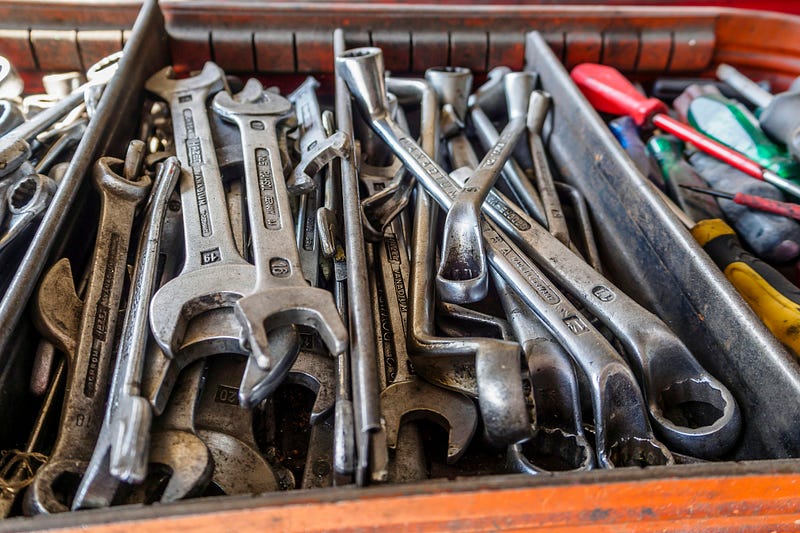
This is a subject where I am not sure that I can offer a fix quick. There is no magic wrench or “plug-n-play” solution for the allergen issue. We really need to start looking at where can we plug some leaks.
- First and foremost, I think increasing the base-level of knowledge and spreading awareness is paramount.
- Second, Re-institute the domestic sciences. Home economics is more important now than when it was previously offered as an elective.
How many of you know someone who can’t even handle the bare necessities of cooking? Don’t you think those people would find those classes valuable?
Preventing food borne illness and cross contact is also important at home, though there is no one to enforce it. Perhaps that is too lofty a goal?
- Third, how about high school “health” classes spend a week or two covering the basics of food and allergen safety?
Safe final cooking temperatures for proteins and proper sanitization procedures can benefit everyone.
What exactly is a tree nut? Did you know coconut and avocado fall into that category?
Why not include that information on the signage at grocery stores?
Let’s teach people not to thaw their frozen chicken at room temperature on the countertop!
Sorry, I’m ranting.
The alarming allergen issue is only going to continue to grow in magnitude, so it is up to us to be smart, learn well, and implement practices that can help prevent cross contact.
You say you don’t have any allergies, so why should you care?
Well, I’m sure everyone that has a child with a potentially lethal food allergy would like you to be just a little more conscientious.
Should an entire restaurant come to a standstill to accommodate people with serious food allergies? Absolutely not. They should eat at home in a controlled environment, or be aware of the fact that the world doesn’t revolve around them. That won’t stop them, though.
It is just another item to add to your list of stuff you should know about.
You don’t have to alter the course of your life to become knowledgeable, but you might alter the course of someone else’s life by doing so.
Enjoy my writing?
Subscribe to my substack for weekly posts about my journey through the culinary industry while I grappled with alcoholism and addiction.
Consider buying me a coffee. I am grateful for your support!
Check out some of my other posts:
If you have made it all the way down here, thank you for joining me in the journey to the bottom of the page.
Readers like you are the reason I can pursue my passion.
Be strong out there, and don’t forget to HOPE!