
Life on the World’s Most Remote Inhabited Island
Exploring the isolated community in the South Atlantic
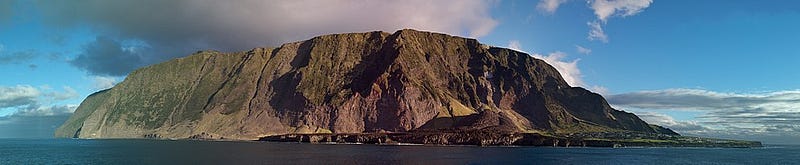
Tristan da Cunha is a small island far away in the South Atlantic Ocean, 2,500 kilometers west of Cape Town. It is one of the most remote places where people live in the world. To get there, you have to take a boat through very rough waters, and the trip takes about three weeks from Cape Town. The island is the top of a volcano that comes up from the bottom of the ocean.
Even though it looks like it might be hard to live there, Tristan da Cunha has a village called Edinburgh of the Seven Seas where about 270 people live. These people have made a life for themselves in this far-off place. They have houses, schools, and everything they need to live comfortably. Living on Tristan da Cunha is like being part of a big family, where everyone knows each other and helps out.
Community and Lifestyle
In Tristan da Cunha, everyone lives like a big family. The people in this small community call each other brothers and sisters. They share everything they have. If someone catches a fish or if a farmer has extra vegetables, they give some to everyone else. When someone needs help, like fixing a roof or building a house, others quickly come to help. This shows how close everyone is on the island.
Life in Tristan da Cunha is safe and simple. Parents don’t worry about letting their children play outside anywhere on the island. People rarely lock their doors. In fact, many don’t even have locks. They trust each other so much that they leave their houses open when they go out, especially on sunny days.
Agriculture and Self-Sufficiency
On Tristan da Cunha, people grow their own food in small farms called potato patches. Each family has their own fields where they grow potatoes and other vegetables. This is how they make sure they have enough to eat. They don’t rely much on food coming from other places. Growing their own food is very important for living on such a remote island.
Besides growing vegetables, islanders also raise animals. They have cows, sheep, ducks, and chickens. But they are careful not to have too many animals. Having too many animals could harm the island’s grass and land because there’s not a lot of space. This careful balance helps them keep their land healthy and make sure there’s enough food for everyone. Islanders work together, helping each other with farming and taking care of animals. This teamwork makes their self-sufficient lifestyle possible.
Adversity and Resilience
The people of Tristan da Cunha have faced tough times, especially when a volcano erupted on the island in 1961. This scary event almost destroyed their village. Lava flowed close to their homes, but luckily, it stopped just before reaching them. The whole community had to leave the island and go to England for safety. This was a big change because they had never lived anywhere else.
Even though living in England was safe, the islanders missed their home. They wanted to return to Tristan da Cunha, despite the dangers. After 18 months, they came back to rebuild their lives. This shows how strong and brave they are. They love their island and prefer its peaceful life over living anywhere else. Their return and rebuilding efforts prove their deep connection to their home and their ability to overcome big challenges.


