

Life Lessons From a Chance Meeting With Buddha
The man was exhausted, but he had far to go.
The long, sweltering summer was drawing to an intense close. The sun, a hazy yellow orb in the sky, seemed to suck up the very essence of his life.
He looked out into the horizon, wiping sweat from his brows. Dark clouds were gathering there, indicating the impending arrival of the monsoon. They filled the air with oppressive humidity. He craved water.
That’s when he saw, on a mound a few yards away, an inviting, large Bodhi tree. He decided to head there for shade.
He walked. The physical discomfort of the heat and the mental scars of tough years past slowed his hike to the mound. Touch-me-not’s shied away from his feet as he climbed it. Not a soul was in sight.
Closer, he saw that the Bodhi tree was old. Ancient. Its trunk was wide enough to hide an elephant. Its dense canopy blocked the sun so he could see nothing in the dark black soil near its base. A million leaves whispered millennia-old secrets.
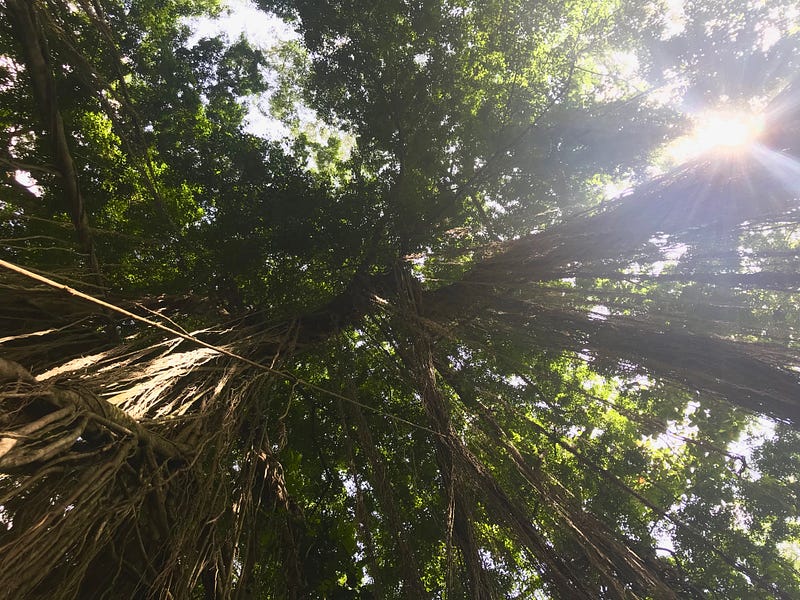
He wet his parched throat with saliva and sat in the tree’s massive shade with a sigh, praying for the heavens to open quickly.
That’s when he heard movements from the other side of the tree. He got up and walked around, curious.
And there she was… a woman who seemed as old as the tree. Her face was lined, folds forming waves on her forehead. She, like him, seemed to have just seated herself under the tree, but he was sure he hadn’t seen her approach.
“How are you today, son?” the old woman smiled.
“Going on, Amma (a respectful word for old women in many Indian languages, literally meaning ‘mother’). Just thirsty,” he said.
“I have water if you want some,” she said, extending a lota.
“Thank you.”
He gulped down water and felt immediate relief. She smiled at him again and looked away.
And there she was. A woman who seemed as old as the tree.
They sat in silence for some time. He wondered what she was doing here, alone under a Bodhi tree by the road.
“Rain is coming,” he made conversation.
“Yes, it surely is. Do you have far to travel?” she asked.
“Yes, I have to get to the railway station.”
She nodded.
Silence fell again. Thunder rumbled nearer than ever.
He looked at her surreptitiously. Old though she clearly was, she seemed healthy and lithe. She was clad in a clean, starched, white sari and had a plain brown satchel with her as if she too was traveling.
Most bizarrely, there seemed to be a light glow around her. No doubt the heat and his fatigue were playing tricks with his eyes, he told himself.
“Something seems to bother you, son,” her words startled him.
“Oh, nothing, Amma,” he paused. “Just problems that everybody struggles with, I suppose,” he shrugged.
“Do you want to tell me?”
He looked at her. He was an intensely private person — he prided himself in not opening himself up to others. Being open just made one vulnerable and soon one finds themselves in a world of hurt.
But something about this old woman gave him pause. For starters, he was sure that he would never see her again in his life — she was just a stranger he met on the road.
Yet, the safety of a fleeting, anonymous encounter was only part of the explanation. More to the point, the old woman somehow seemed to inspire trust in him. He was surprised to find himself certain that she would never betray his confidence.
“Well,” he began, “my biggest problem is my wife.” He remembered how he had stormed out of the house a few hours ago after a fierce row with her. She had wanted him to come with her to her parent’s house, but there was no way he could take time off his flailing business.
“She doesn’t understand or care for me. She just does what she wants to do. She has spoiled the children too, giving them whatever they want, without asking me.”
“Okay…,” the old woman prodded him on.
“I am also fed up with my children,” he glowered. It ached him to say it because he loved them still, but they had long shut him out from their lives.
“Nasty spoiled brats they have grown up to be. The ingrates don’t want me anymore. I have stopped speaking to them.”
“Hmm… go on,” the old woman said.
“To make matters worse, my mother is giving me a hard time with her constant letters,” he vented. Her note that morning, which he thought came close to emotional blackmail, had fouled his mood even before the quarrel with his wife.
“I send her money, and the servants I appointed are taking good care of her. She still wants me to come and meet her every other day. Does she think I have nothing else to do?” the words tumbled out of his mouth.
Was it that his ultra-sensitive ego couldn’t detect even a hint of judgment in her voice at his litany of life problems?
She gazed at him. The curious expression in her eyes reminded him of his own aunt who had raised him as a child and who he often missed terribly.
“Your problems remind me of the story of the grandmother, her son, and her grandson,” she finally said.
In normal circumstances, he would have seen such a comment as a stranger trying to be too familiar. He would have pulled up the drawbridge and made some excuse to walk away.
But again, something stopped him. He wondered what it was. Was it that his ultra-sensitive ego couldn’t detect even a hint of judgment in her voice at his litany of life problems?
“Okay, tell me, Amma.”
She smiled and began her story.
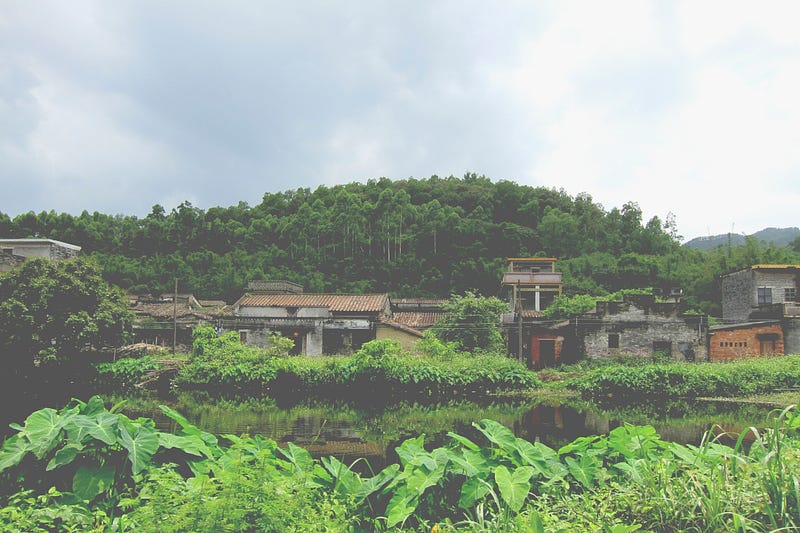
In a village far, far away, there lived a grandmother, her son, and her grandson. They were a close-knit family and loved each other very much.
The grandmother was especially devoted to her grandson. She had dotted on him right from the time she had clapped her eyes on him. She had fed him, bathed him, sung songs to him, and kissed him good night for years.
Her son was a busy farmer. After his wife’s death at childbirth, he had thrown himself into work. He rarely had time for either his mother or his son.
Over the years, the grandson had grown into a good-natured but slightly brash young boy.
“Your problems remind me of the story of the grandmother, her son, and her grandson,” she finally said.
That’s how Diwali, the great Indian Festival of Lights, found them that year. In celebration, the grandmother had cooked Mysore Pak, a sweet made of gram flour, sugar, and ghee.
“My dear, do you want some Mysore Pak?” she asked her grandson, who was squirming on her lap.
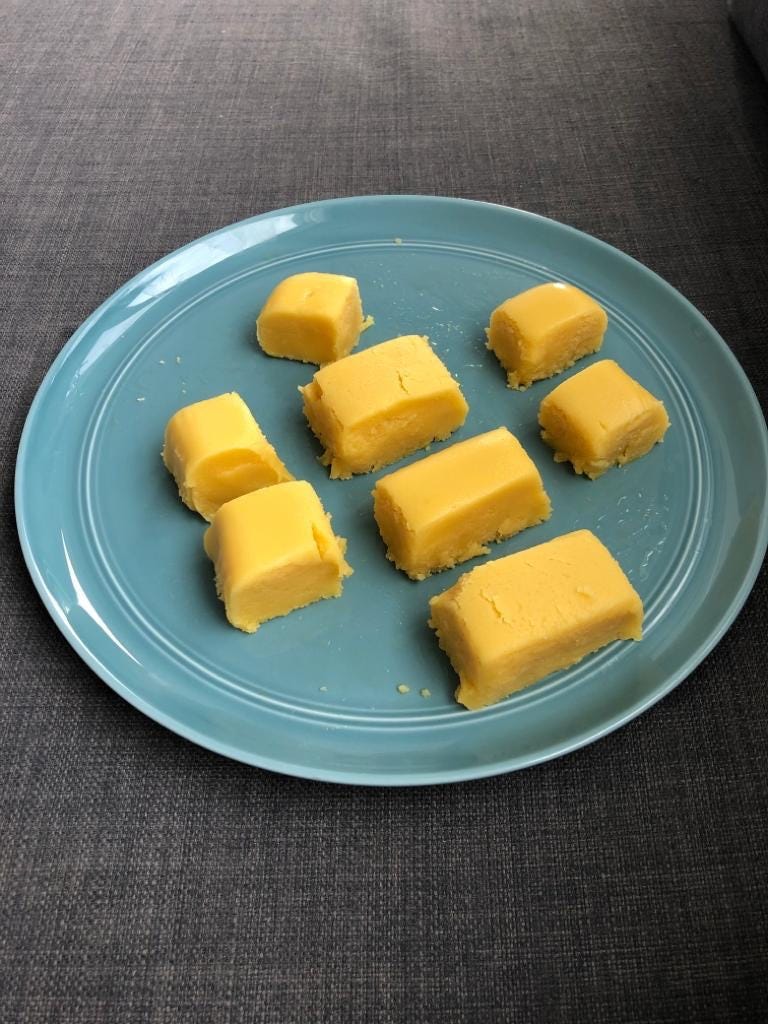
“No Achamma (the word for a grandmother in some Indian languages)!” he cried, “I want a cake from the bakery! I don’t like the taste of Mysore Pak.”
The grandmother dropped her head, disappointed. She later kept the plate of Mysore Pak back in the kitchen.
The farmer had heard this exchange, but as his workers were waiting for him in the field, he had to leave the house without getting in between.
The next day, the grandmother threw the Mysore Pak out, untouched.
Years passed.
The grandson had now grown into a handsome young adult. He was in college and was good-natured but slightly unwise. He had developed a habit of checking the mirror frequently to appraise his physique.
Diwali came again. The grandmother had made Mysore Pak. She had not made it since that Diwali years ago.
“My dear, do you want some Mysore Pak?” she asked her grandson, gently holding his strong forearm.
“No, Achamma!” he scrunched his nose, “these sweets are oily and unhealthy. I don’t want to get fat!”
The two men looked at her, realizing that this would be the last time she would ever eat Mysore Pak.
The grandmother was heartbroken. She later kept the plate of Mysore Pak back in the kitchen.
The farmer had heard the conversation this time too, but as his buyers were in the godown for grain, he had to leave the house without any comment.
The next day, the grandmother threw the Mysore Pak out, untouched.
Years passed again.
The grandmother had become old. The farmer had grown prosperous. And the family had moved to an apartment in the city.
The grandson had married and shifted to his own place. He had come back with his wife and child to meet his father and grandmother for Diwali.
The grandmother had made Mysore Pak again. She had not made it since that Diwali years ago.
“My dear, do you want some Mysore Pak?” she asked her grandson, sitting in her chair, and gazing out of her cataract eyes.
“No, Achamma,” he said kindly. “I have just had a full lunch at my friend’s place. I am not hungry at all.”
The farmer had again overheard them speaking, but as he was busy preparing for business expansion to the nearby state, he had to leave the house without interfering.
Years passed, though not as many as before.
The grandmother had become decrepit and frail. The farmer and his son could see that she did not have many days left to live. They loved her, of course. So, when Diwali arrived and the grandmother insisted on making Mysore Pak, they did not object.
She asked her grandson again, “My dear, do you want some Mysore Pak?”.
The grandson opened his mouth to say no again, but his father laid a hand on his. The grandson looked at his father and said, “Yes,” to his grandmother.
With tears of joy, the grandmother took one Mysore Pak in her shaking hands and gave it to him. She then took one herself and ate it contentedly.
They could see the happiness in her face, but she had become very weak by then. They took her to the bed to sleep and stood watching her.
The farmer said, with a lump in his throat, “Your grandmother’s favorite sweet has always been Mysore Pak. We used to have loads of it when I was young. After you were born, she would eat these sweets only after you ate it. She never made it just for herself.
“So, whenever she offered you the sweet, she definitely wanted you to eat it. But she also wanted to eat it herself.”
The grandson’s eyes filled with tears. The two men looked at her, realizing that this would be the last time she would ever eat Mysore Pak.

The old woman and the man sat in silence under the Bodhi tree after the story. The man felt a drop of rain on his cheek.
“So,” the old woman said, “what can we learn from this story?”
“The grandson had thought only about his wants and preferences whenever he said no to his grandmother. Though he loved her, he never put himself in her shoes. He had not been empathetic enough to truly understand his grandmother.
“So, whenever she offered you the sweet, she definitely wanted you to eat it. But she also wanted to eat it herself.”
“The grandmother, sweet though she was in her determination to eat the sweet only after her grandson had eaten, had set too much store by a kind of false modesty. Her fear of appearing selfish or vulnerable to others had prevented her from asking the world, in this case, her grandson, what she truly wanted. She had expected the world to read her mind, in effect. She had obfuscated her feelings too much.
“The farmer knew that his mother’s favorite sweet was Mysore Pak and that she was asking his son to eat it just so she could eat it too. But he had gotten too caught up in the whirlwind of life to step in between his mother and son and set right the misunderstanding between them. He was guilty of apathy.
“Lack of empathy, obfuscation, and apathy were the three mistakes our protagonists committed. Think now. Can you trace your problems with your wife, children, and mother back to these very same mistakes?”
The man looked away from her and out onto the fields afar. The sun had now completely disappeared behind black clouds.
He thought of his wife. He dimly remembered those heady days when they were a newlywed couple. He had showered his love on her then, catered to her every wish. And how had she loved him back! He vaguely recollected the warmth in her eyes when they lay together on their bed.
But somewhere along the way, things had changed. His business problems demanded more and more of his time. He started venting his frustrations at home on his wife. When she rebelled, he got angry. Why couldn’t she understand the pain he was going through? All the stress he was putting himself through just to provide for her and the children?
But he asked himself, had he ever thought about what his wife must have felt in those years? When she found herself no longer a priority for her husband? When she had to put up with countless nights of shouting or worse, painful silences?
The answer was a resounding no.
Yes, he had failed to be empathetic.
His mind raced to his children. He remembered as though it was yesterday the first time he had seen each of them, fresh out of the womb. He had felt like his heart melt — they were so fragile, so innocent, and so dependent!
But he had caught himself then. He will not spoil them with such feelings. Just like his father had done to him, he will teach them to respect and fear their father.
He had done exactly that as they grew older. He remained a distant figure in their lives, quick to berate and punish but never to show much affection.
Deep down, he loved them. He had thought somehow they must know that too.
But he asked himself, had he ever thought about what his wife must have gone through in those years?
But as they became teenagers and young adults, they seemed to become resentful towards him. They definitely feared and respected him, but they also seemed to not feel anything like love for him. Neither they nor he could ever break an invisible barrier between them. The chasm between them had grown, and he and his children now rarely met or spoke.
He had grown bitter at them. Why can’t they understand that he had shouted at them and beat them for their own good? Why didn’t they see that he loved them deep inside? Why can’t they just behave with him like the way they did with their mother?
The answers to his questions were staring him in the face now. He had not expressed his love for them or his need for love from them in any manner. In his determination to make them fear and respect him, he had remained a stranger to them, never letting them inside his heart or telling them what he wanted from them.
He had obfuscated his feelings for them for far too long.
Wretchedly, he then thought of his mother. Of how he had never found the time to meet her after his father’s death a few years ago. He knew how that must have broken her, but he had never made time, just sending a letter to her. Truth be told, amid all the tribulations of his life, he had thought about her very little.
He had undoubtedly been apathetic towards his mother.
He sat there looking at the fields, his face a paroxysm of emotions, his heart aching with grief and a profound sense of loss.
Coming to terms with his epiphany, he watched the rain racing towards him from the fields, a greyish-white curtain closing in on him.
A sudden flash of lightning that almost seemed to strike the tree itself scared the wits out of him. With a startled cry, he jumped and rolled on the ground.
He looked up at the tree, winded, and his heart jumped.
In the bright flash, he had seen the old lady sitting right there, her face silhouetted in a glowing halo of blinding light. But then she was there no more.
He got up and ran around the tree. His eyes scoured the place for her in the fading light.
Fear tore at him. Where had she gone? His chest heaved with the strain.
But as he stood there staring into the sky, his breathing slowed. He felt something else replacing fear. A sense of destiny. Energy filling his heart.
Tears rolled down his eyes, but he smiled. And the monsoon drenched him in her renewing embrace.

About the author
Harsh Kundulli is a storyteller. At work, he tells stories to clients who want to transform their enterprise technology landscape. At home, he tells them to family and friends. You can find his full profile on LinkedIn.
A related story by Harsh:


