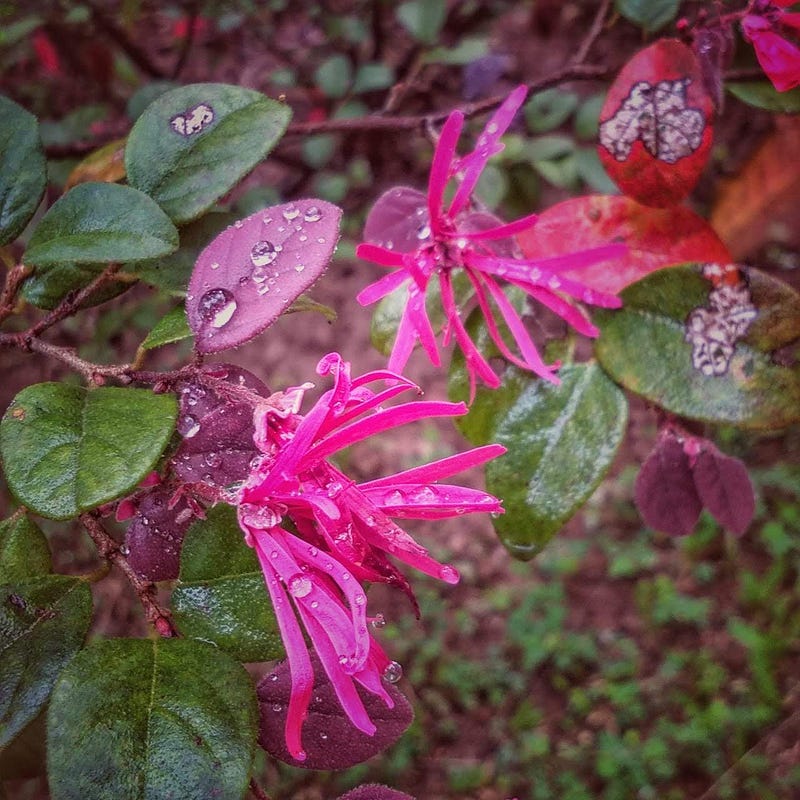
Summary
"Life is a Dewdrop" poetically compares the transient beauty of dew on a leaf to the fleeting nature of life, emphasizing the individual's choice to cultivate peace or hatred during their brief existence.
Abstract
The poem "Life is a Dewdrop" uses the imagery of dew on various natural elements to draw a metaphor for human life. It describes dew as sparkling jewels on an emerald leaf, an amber petal, or a web, highlighting its ephemeral beauty that captivates the eye but vanishes quickly. This ephemerality mirrors the brevity of our own lives. The poem poses a philosophical question, asking what one will do with their life, likening it to a dewdrop that can either contribute to peace or perpetuate hatred. The choice of how to live one's life, as the poem suggests, is ultimately in the hands of the individual.
Opinions
- The poet views life as a precious and temporary phenomenon, akin to dew that sparkles briefly before disappearing.
- The poem reflects a philosophical stance that our time is limited and should be spent wisely.
- It suggests that individuals have the power and responsibility to choose how they influence the world, whether through peace or hatred.
- The poet implies that the beauty of life, much like dew, is delicate and can be easily overlooked or taken for granted.
- There is an underlying call to action for readers to be mindful of their impact on the world, encouraging a legacy of peace.