avatarKingsley Asuamah

Free AI web copilot to create summaries, insights and extended knowledge, download it at here

3665

Abstract

In a bid to slam him on the floor, his shoulder hit the iron bunk bed and was dislocated or probably fractured, I don’t know but one of his hands was hanging lifeless from his shoulder.</p><p id="7fa3">To this day, he still walks with an uneven shoulder and this guilt has haunted me forever. The fact that I made him like that. The fact that I couldn’t forgive someone for mere words that don’t stick to my skin. The aftermath of this singular act of unforgiveness is a burden I have to bear forever.</p><p id="9c8f"><b><i>You will get offended as long as you are alive.</i></b> Get ready for it. Every day and everywhere you go. Someone will cut you off in traffic, a friend will betray your trust, or a family member will leave you feeling hurt and angry.</p><p id="61bb">The urge to cling to that resentment, to stew in the injustice of it all, feels primal, almost satisfying. Well, the truth is that forgiveness isn’t about letting someone else off the hook; it’s setting yourself free.</p><p id="b0df"><b><i>Forgiveness is the act of releasing resentment or vengeance toward a person or group who has harmed you, regardless of whether they actually deserve your forgiveness. </i></b>It’s letting go of the need for revenge and not holding the act against the person who wronged you.</p><p id="52c3">It does not mean that you are condoning someone’s actions or pretending it didn’t happen. It’s you acknowledging the hurt, releasing the negative emotions associated with it, and choosing to move forward.</p><p id="0cf0">Think of it like this, you’re holding onto a hot coal — it sure burns you, consumes your energy, and prevents you from enjoying the rest of your life. <b><i>Forgiveness is the act of dropping that coal — it might still leave a mark, but it no longer controls you.</i></b></p><p id="3452" type="7">“To forgive is to set a prisoner free and discover that the prisoner was you.” ~Lewis B. Smedes.</p><p id="81c7">History is littered with cautionary tales of those consumed by unforgiveness. Some years ago, I travelled to South Africa and visited Robben Island, where I learned greatly about the story of Nelson Mandela. After being imprisoned for 27 years, he chose to forgive those who had stripped him of his freedom.</p><figure id="43df"><img src="https://cdn-images-1.readmedium.com/v2/resize:fit:800/0*jhjOCvt0R4huiOac"><figcaption><b>Nelson Mandela. Photo by <a href="https://unsplash.com/@jphnry?utm_source=medium&amp;utm_medium=referral">John-Paul Henry</a> on <a href="https://unsplash.com?utm_source=medium&amp;utm_medium=referral">Unsplash</a></b></figcaption></figure><p id="66ef">He understood that holding onto anger and resentment would only continue to imprison him. His act of forgiveness wasn’t just for those who wronged him, but for himself. It set him free.</p><p id="1036">On the other hand, unforgiveness can lead to a downward spiral of resentment and vengeance. One historical example is the feud between the Hatfields and the McCoys in the late 19th century. I read that a small disagreement escalated into a full-blown family feud that lasted for decades, leading to violence and the loss of many lives.</p><p id="d132">The inability to forgive and let go fueled a cycle of violence that affected generations. There are several other examples. King Henry VIII’s obsessive grudge against his first wife, Catherine of Aragon, led to a bloody religious schism in England.</p><p id="0aae">I am sure we all have stories of how the consequences of harbouring grudges can be devastating.</p><p id="e5ff" type="7">“Holding on to anger is like drinking poison and expecting the other person to die.” — Buddha</p><h2 id="d1

Options

39">The Science of Forgiveness</h2><p id="6a20">Holding onto anger and resentment is like a slow-burning poison. Studies have shown that unforgiveness can lead to a host of physical and mental health problems, including stress, depression, and even heart disease.</p><p id="eff0">Letting go, on the other hand, has been linked to lower blood pressure, stronger immune systems, and a general sense of well-being. It allows you to move forward with your life. <b><i>You cannot rise when you are holding another person down.</i></b></p><p id="78f1">As Mark Twain once said, <b><i>“Forgiveness is the fragrance that the violet sheds on the heel that has crushed it.” </i></b>Forgiveness doesn’t mean forgetting or excusing the harm done to you. It means preventing someone else’s actions from destroying your heart.</p><p id="f25c">This article might take you about 5 minutes to read, but I beg you to keep the lessons and let it impart to you for a lifetime.</p><p id="c1eb">Remember that <b><i>forgiveness is for you!</i></b> It’s freeing yourself from the burden of resentment and making room for peace and happiness in your life.</p><p id="0f9b" type="7">Forgiveness is for you!</p><p id="039e">As Lewis B. Smedes said, “To forgive is to set a prisoner free and discover that the prisoner was you.”</p><p id="ff8a">So dear reader, let go of the grudges. Practice forgiveness. Not for them, but for you… because in the end, forgiveness benefits you more than the other person.</p><p id="9fa5"><b>“Forgiveness is not always easy. It takes courage to forgive, especially when you have been deeply hurt. Yet, forgiveness is a gift you give yourself, a gift of peace and serenity.” — Marianne Williamson</b></p><div id="2e1b" class="link-block"> <a href="https://readmedium.com/17-ways-to-live-differently-adde98337adc"> <div> <div> <h2>17 Ways to Live Differently</h2> <div><h3>A fresh perspective on life and other inspiring ways to live an unconventional life</h3></div> <div><p>medium.com</p></div> </div> <div> <div style="background-image: url(https://miro.readmedium.com/v2/resize:fit:320/1*eOrUDuI6t222ne_NskV8Gw.jpeg)"></div> </div> </div> </a> </div><div id="e5c9" class="link-block"> <a href="https://readmedium.com/suffering-from-lack-of-self-confidence-learn-why-d0ac61a13f83"> <div> <div> <h2>Suffering From Lack of Self-Confidence? Learn Why.</h2> <div><h3>Unveiling the roots of low self-confidence and practical steps to rebuild it.</h3></div> <div><p>medium.com</p></div> </div> <div> <div style="background-image: url(https://miro.readmedium.com/v2/resize:fit:320/1*-ZfLw_vBElOdS6rm06TtKg.jpeg)"></div> </div> </div> </a> </div><div id="0f40" class="link-block"> <a href="https://readmedium.com/5-ways-to-spend-money-in-a-way-thatll-actually-make-you-happier-4938102ba88d"> <div> <div> <h2>5 Ways to Spend Money in a Way That’ll Actually Make You Happier</h2> <div><h3>This is how to hack the money-happiness relationship</h3></div> <div><p>medium.com</p></div> </div> <div> <div style="background-image: url(https://miro.readmedium.com/v2/resize:fit:320/1*ivD7SbwJ95knjPIsur5ZMQ.jpeg)"></div> </div> </div> </a> </div></article></body>

Life From Different Perspectives: The Science of Forgiveness

Part 10 of 20: Forgiveness benefits you more than the other person

A photo showing how unforgiveness weighs you down. Image generated by the author using DALL·E 3

This article is part of a series of articles written from the perspective of two very different minds.

My name is Kingsley Asuamah. I am a 36-year-old Nigerian living in Ireland. I am writing about the 20 self-improvement facts in this article:

Chris Compton is a 59-year-old American living in Atlanta, GA. He has written about the same topics.

You can follow along by clicking the link below and see how two strangers, separated by age, geography, and circumstance, view the world and the opportunity to develop as human beings.

Forgiveness Benefits You More Than The Other Person

I had this fight in high school that has turned out to shape my life even to this day. It was after the fight that I decided never to fight again in my entire life and also to forgive easily.

Another classmate told me what this guy had said about me, the rumour he was spreading and that bruised my ego as a teenage boy. You see I was one of the calmest people in school. I was all about my academics, I had the best results in my class and was not one to easily get offended. Yet for some inexplicable reason, I just couldn’t forgive him for the lies he was spreading about me.

By Friday afternoon, when everyone was happily heading home, I had gotten so bitter I decided to trace the guy to his hostel. Even though as a day student, I was not allowed into the hostels, I threw all caution to the wind and stormed in.

I found him standing next to his bed. Blinded by rage, I pounced on him and a fight ensued. In less than 60 seconds, the fight came to an abrupt stop. He was bleeding, I was bleeding and he had a dislocated shoulder.

In a bid to slam him on the floor, his shoulder hit the iron bunk bed and was dislocated or probably fractured, I don’t know but one of his hands was hanging lifeless from his shoulder.

To this day, he still walks with an uneven shoulder and this guilt has haunted me forever. The fact that I made him like that. The fact that I couldn’t forgive someone for mere words that don’t stick to my skin. The aftermath of this singular act of unforgiveness is a burden I have to bear forever.

You will get offended as long as you are alive. Get ready for it. Every day and everywhere you go. Someone will cut you off in traffic, a friend will betray your trust, or a family member will leave you feeling hurt and angry.

The urge to cling to that resentment, to stew in the injustice of it all, feels primal, almost satisfying. Well, the truth is that forgiveness isn’t about letting someone else off the hook; it’s setting yourself free.

Forgiveness is the act of releasing resentment or vengeance toward a person or group who has harmed you, regardless of whether they actually deserve your forgiveness. It’s letting go of the need for revenge and not holding the act against the person who wronged you.

It does not mean that you are condoning someone’s actions or pretending it didn’t happen. It’s you acknowledging the hurt, releasing the negative emotions associated with it, and choosing to move forward.

Think of it like this, you’re holding onto a hot coal — it sure burns you, consumes your energy, and prevents you from enjoying the rest of your life. Forgiveness is the act of dropping that coal — it might still leave a mark, but it no longer controls you.

“To forgive is to set a prisoner free and discover that the prisoner was you.” ~Lewis B. Smedes.

History is littered with cautionary tales of those consumed by unforgiveness. Some years ago, I travelled to South Africa and visited Robben Island, where I learned greatly about the story of Nelson Mandela. After being imprisoned for 27 years, he chose to forgive those who had stripped him of his freedom.
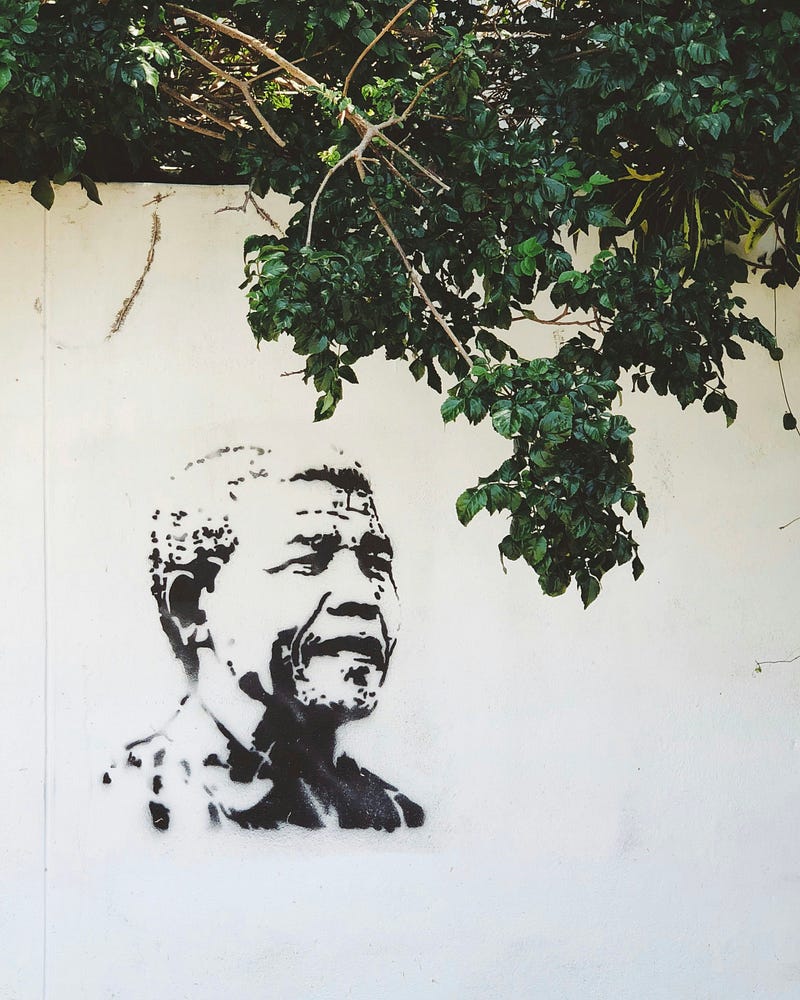
Nelson Mandela. Photo by John-Paul Henry on Unsplash

He understood that holding onto anger and resentment would only continue to imprison him. His act of forgiveness wasn’t just for those who wronged him, but for himself. It set him free.

On the other hand, unforgiveness can lead to a downward spiral of resentment and vengeance. One historical example is the feud between the Hatfields and the McCoys in the late 19th century. I read that a small disagreement escalated into a full-blown family feud that lasted for decades, leading to violence and the loss of many lives.

The inability to forgive and let go fueled a cycle of violence that affected generations. There are several other examples. King Henry VIII’s obsessive grudge against his first wife, Catherine of Aragon, led to a bloody religious schism in England.

I am sure we all have stories of how the consequences of harbouring grudges can be devastating.

“Holding on to anger is like drinking poison and expecting the other person to die.” — Buddha

The Science of Forgiveness

Holding onto anger and resentment is like a slow-burning poison. Studies have shown that unforgiveness can lead to a host of physical and mental health problems, including stress, depression, and even heart disease.

Letting go, on the other hand, has been linked to lower blood pressure, stronger immune systems, and a general sense of well-being. It allows you to move forward with your life. You cannot rise when you are holding another person down.

As Mark Twain once said, “Forgiveness is the fragrance that the violet sheds on the heel that has crushed it.” Forgiveness doesn’t mean forgetting or excusing the harm done to you. It means preventing someone else’s actions from destroying your heart.

This article might take you about 5 minutes to read, but I beg you to keep the lessons and let it impart to you for a lifetime.

Remember that forgiveness is for you! It’s freeing yourself from the burden of resentment and making room for peace and happiness in your life.

Forgiveness is for you!

As Lewis B. Smedes said, “To forgive is to set a prisoner free and discover that the prisoner was you.”

So dear reader, let go of the grudges. Practice forgiveness. Not for them, but for you… because in the end, forgiveness benefits you more than the other person.

“Forgiveness is not always easy. It takes courage to forgive, especially when you have been deeply hurt. Yet, forgiveness is a gift you give yourself, a gift of peace and serenity.” — Marianne Williamson

Self Improvement
Life
Psychology
Life Lessons
Lifestyle
Recommended from ReadMedium