
Chris Compton - @twainingwheels|Kingsley Asuamah
Life From Different Perspectives: Get Off Your Ass and Go Outside
Part 5 of 20: Spending time in nature reduces stress and boosts creativity
This article is part of a series of articles written from the perspectives of two very different minds.
My name is Chris Compton. I am a 59-year-old American living in Atlanta, GA. I am writing about the 20 self-improvement facts in this article:
The article’s author, Kingsley Asuamah, is a 36-year-old Nigerian living in Ireland. He is writing about the same topics.
You can follow along and see how two strangers, separated by age, geography, and circumstance, view the world and the opportunity to develop as human beings.
Spending Time in Nature Reduces Stress and Boosts Creativity
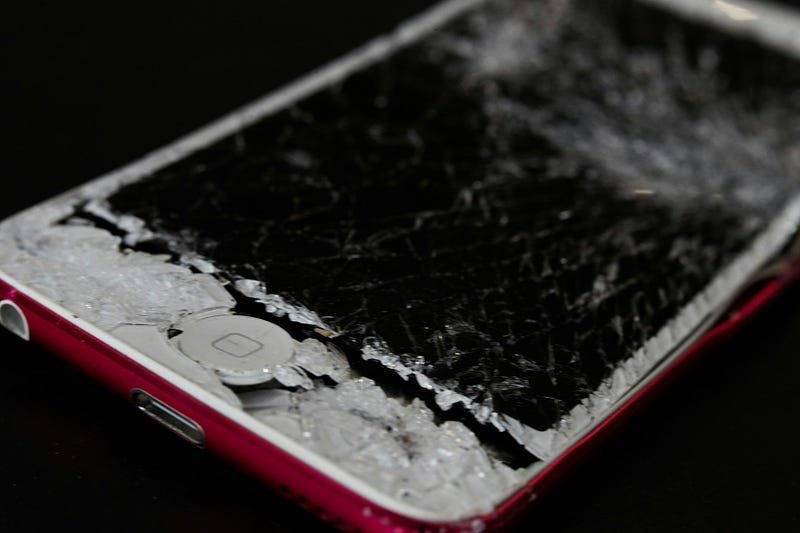
RIINNGGGGG!! RIINNGGGGG!! “I know my phone is under this pile of paperwork somewhere,” I think, frantically digging through a stack of notes about imagining your way to a better tomorrow.
I see the charging cord peeking out from under a white legal pad and tug on it. The phone slides towards me just as Tinkerbell goes off like a burglar alarm, her high-pitched yapping raising my already rising ire.
The caller isn’t in my contacts, but it’s a local number. Maybe it’s my doctor or the pharmacist. Before I can process the thought, De hollers from downstairs. “Darling! Are you going to answer that?”
“Mother! Father!” I exclaim, silencing the call. They can leave a message.
“Darling!” my lovely wife intones, “Do you hear your phone ringing?”
My stress levels are up. I feel like I am in a box crusher in the basement of an office building, and the machine has started to move. I have to get out now.
Stress is A Natural Response
Stress affects all of us. When our reality fails to match our expectations, we often feel stressed. We can feel tremendous stress from seemingly minor events, such as racing the artificial deadline of a ringing phone that we can’t seem to locate.
Stress triggers the release of adrenaline and cortisol. Your heart speeds up, your muscles tense, and you begin to breathe rapidly. Your body is ready to flee or do battle if necessary.
When other people set expectations for us, the stress can be particularly high. Imagine your mother asks you to visit her on Sunday. You say you will try to make it. Friday night, you meet a cute guy at the bowling alley, and he suggests a picnic in the park on Sunday. You want to spend some time at the park with Hottie McTottie, but you feel guilty even thinking about letting your mother down. For many people, this seemingly simple conflict can be the source of enormous stress.
Work is a common cause of stress. Many people work in jobs they don’t particularly enjoy. Most people spend half of their waking life at work. The daily grind of doing something solely for the paycheck is a stress producer. Even work you love can be stressful as you struggle to meet the expectations of others. Playing golf for a living seems pretty chill until you miss three cuts in a row, and your sponsors start calling.
Do you follow the news? It is nearly impossible to watch fifteen minutes of any TV news program without feeling stressed. Disasters, indignities, and worse pepper you from the moment you engage. Turn that shit off.
Stress warns us of danger, reminds us of deadlines, and motivates us to get the hell out of Dodge before the gunfight starts.
Chronic stress causes headaches, insomnia, irritability, anxiety, depression, and more. Long-term exposure to chronic stress shortens our lifespan. Stress takes its toll on our cardiovascular, immune, and muscular systems.
Minimizing stress should be a priority for all of us.
“Stress is the trash of modern life-we all generate it but if you don’t dispose of it properly, it will pile up and overtake your life.” ― Danzae Pace
Stress Happens
Stress can’t be avoided altogether. No matter how laid-back you are, life happens. You can be the best driver in the world, but when someone runs a stop sign as you approach the intersection at 35 MPH, your heart rate is going through the roof. Stress is a natural response to situations that your body finds uncomfortable, and it signals you to respond now.
This is great when an immediate response is necessary. It’s not so bueno when the stimulus is artificial. A ringing phone, a barking dog, an unreasonable request from a client, or a self-imposed desire not to hurt your mother’s feelings should not rev up your system to the same extent as looking down the barrel of a .45.
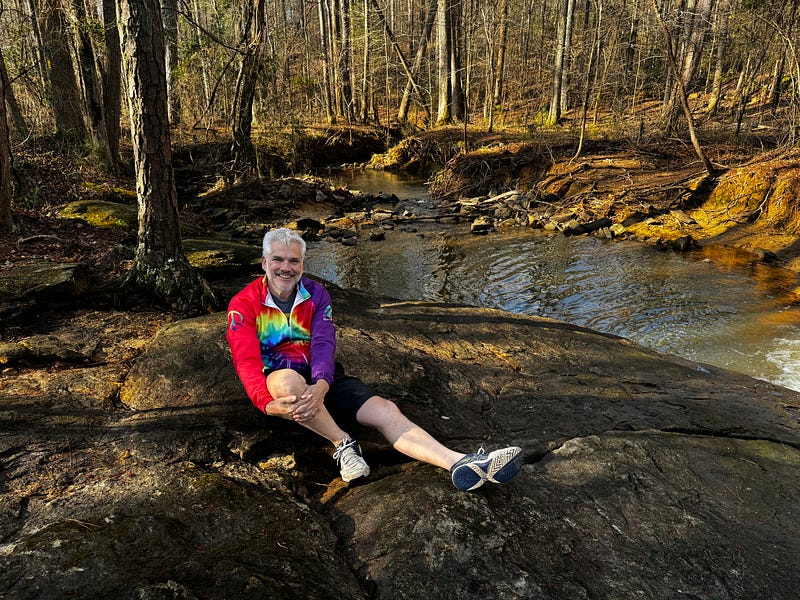
Reducing Stress Through Exposure to Nature
We will all experience stress on a regular basis. Human Beings are built that way. It’s a feature, not a bug. We can minimize unnecessary stress by setting realistic expectations, avoiding conflict when appropriate, practicing healthy habits, and turning off the television, but what can we do to reduce our stress levels once they become elevated?
Go outside. Problem solved, right? Now get back in there, kid, and close that deal!
Not so fast.
Once your stress hormones are released, they live in your system for a bit. Both adrenaline and cortisol can hang around for up to an hour after a stressful event causes them to kick in.
If you walked into the kitchen and saw a flaming pan of bacon on the stove, what would you do first? I am hopeful that you would take the pan off the hot burner. Removing the heat would be a great first step.
When you are under stress and need some relief, the best first step is to remove the stressful event. Events can be hard to move. Removing yourself is often a better option. Go outside.
Once you are outside, your objective is to completely disassociate yourself from stress. This may be easier said than done at first, but trust me, you can do it.
- Go outside
- All outside is not created equal. The more natural the environment, the better you will fare. Walking around a parking lot near a freeway is not as peaceful as walking in the woods listening to a stream gurgle and birds sing. Do the best you can.
2. Leave your phone inside
- Don’t kid yourself. If you take the phone with you, you are going to be distracted by it. Investing twenty minutes to lower your stress levels will pay off. Ditch the phone.
3. Walk
- Walk. Walk down a path, around the corner, or into the woods. Walk as far away from other people and signs of civilization as possible. Don’t hurry. Amble. Stroll. Saunter. You are not exercising. You are relaxing. Walk AWAY from your troubles until you begin to feel significantly better.
4. Breathe
- Take slow, deep breaths — the slower, the better. As your stress falls away, your breathing will get slower and slower, and your heart rate will decrease. Focus on your breathing until it is noticeably slow.
5. Listen
- You are outside. listen to nature. Listen to the whine of the mosquitos, the caw of the crow, the chatter of the blackbirds, and the whoosh of the wind.
6. Smell
- Now that your breathing is measured use your nose. Smell the freshly mown grass, the honeysuckle, or the storm on the horizon. Focus on the smells and let them tickle your imagination.
7. Observe
- Look at the trees. Watch how they bend and sway in the breeze. See the birds and squirrels running on the branches. Watch the grass as the wind makes patterns in it. Marvel in the perfection and enormity of our world.
8. Imagine
- Your entire world lives in your imagination. Now that you have begun to relax fill your world with good. Close your eyes. Take another slow, deep breath. Imagine that you are flying with the birds. Picture what you have seen through your eyes through the eyes of bird-you. Enjoy the freedom of flight and the beauty of the renewed perspective.
9. Give Thanks
- By now, you are feeling better. Your heart rate is lower. Your breathing is normal. Be grateful. Make an intentional statement of thanks to whoever or whatever works for you. Take a few minutes to reflect on how fortunate you are to be alive and to have an opportunity to choose the next step on your journey.
Fun Fact
The exact same process will inspire you creatively.
Slowing down, removing outside input, taking deep breaths, observing beauty, triggering your imagination, and being thankful for the beauty of life will pay artistic benefits.
Have writer’s block? Struggling to finish a drawing? Wondering how to approach the new girl at the pickleball court?
Go outside and find the answer.
What do you do to reduce stress? Leave a comment! Thanks for reading.
Chris Compton
03–14–2024


