Life From Different Perspectives
Part 2 of 20: Gratitude boosts happiness more than material possessions

This article is part of a series of articles written from the perspective of two very different minds.
My name is Kingsley Asuamh. I am a 36-year-old Nigerian living in Ireland. I am writing about the 20 self-improvement facts in this article:
Chris Compton is a 59-year-old American living in Atlanta, GA. He has written about the same topics.
You can follow along by clicking the link below and see how two strangers, separated by age, geography, and circumstance, view the world and the opportunity to develop as human beings.
Gratitude boosts happiness more than material possessions
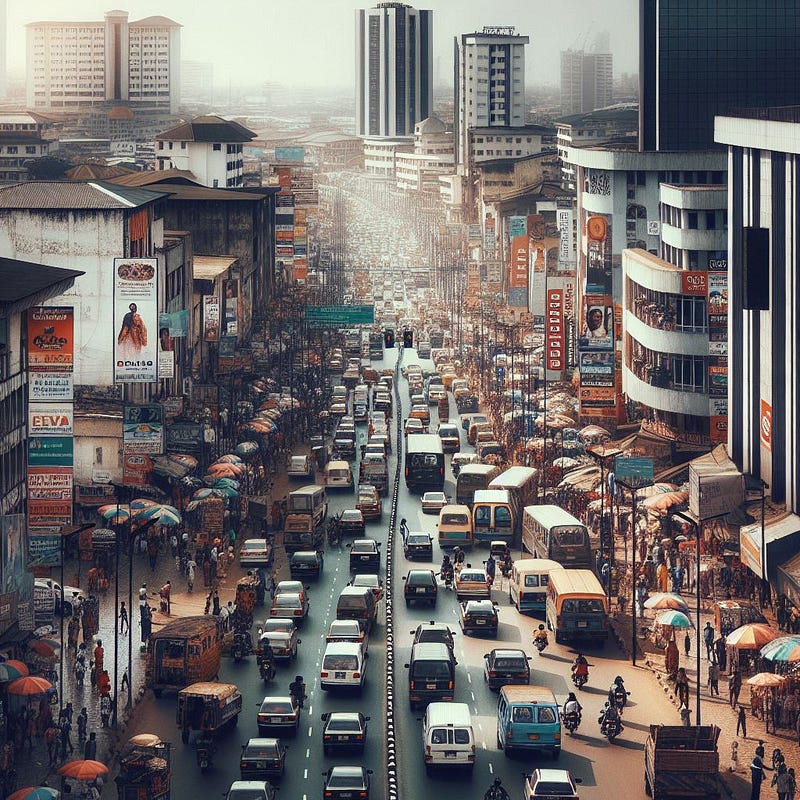
The rhythmic hum of Lagos never truly fades. Even here, in the quiet suburbs of Dublin, I can sometimes hear the echo of motorbike engines weaving through chaotic traffic, the melodic calls of street vendors, the laughter spilling from open windows and the screams of kids playing on the street. These are the familiar sounds of a life I left behind, a life fuelled by ambition and a relentless pursuit of “better.”
In Nigeria, there is a slang term “Japa” which has gained widespread usage among Nigerian youths and in popular culture. It is used to describe the act of escaping, fleeing, or disappearing quickly from a situation, often in a hasty and urgent manner. The term originated from the Yoruba language, one of the major languages spoken in Nigeria, where “Japa” loosely translates to “run away”, “escape”, “flee” or “disappear quickly” from a situation.
Here are some examples of how it’s used:
- “I heard the party got raided by the police, so we all had to Japa before they got there.”
In the past few years, this slang “Japa” has become synonymous with Nigerian emigration. It has come to symbolize the aspirations of young Nigerians who aspire to leave (“run away”, “escape”, “disappear quickly” or “flee”) the country in pursuit of a better life.
Japa’ing to Ireland in my early thirties wasn’t just about pursuing a graduate degree; it was about chasing a dream of a more secure, comfortable future.
The “Nigerian hustle,” as we call it, is ingrained in you from a young age. Work hard, achieve success, acquire material possessions — that was the formula I believed would lead to happiness.
And for a while, it did. The initial thrill of a new apartment, a steady job, and the ability to send support back home was intoxicating. Yet, a nagging emptiness began to creep in. The constant striving, the pressure to “keep up,” left me feeling perpetually out of reach of true satisfaction.
It was during a particularly low moment, staring out the window at the unfamiliar Dublin rain, that I stumbled upon the concept of gratitude. It wasn’t a new idea, but it resonated differently this time.
I started small, keeping a gratitude journal, jotting down three things I was thankful for each day. A steaming cup of coffee on a cold morning, the laughter shared with my wife, the vibrant colours of the changing leaves, a roof over our heads— these seemingly insignificant things began to hold a new weight.
Gratitude is not merely a polite “thank you” or a fleeting emotion. It is a profound shift in perspective — a rewiring of the mind that allows us to focus on life’s blessings, no matter how small.
Slowly, but surely, a shift occurred. My focus began to move away from the relentless pursuit of “more” and towards appreciating the “enough” that was already present.
The long walks we took in the Irish countryside, the impromptu movie nights with friends, the simple act of connecting with loved ones — these everyday moments, once taken for granted, transformed into sources of joy. The simplicity of it all!
I remember the day I received my first pay from a part-time job. It was modest, barely enough to cover groceries and bus fare. Yet, as I held those crumpled notes in my hand, I felt an overwhelming sense of gratitude. I was earning my keep, contributing to society, and inching closer to my dreams.

It wasn’t always easy. Old habits die hard, and the allure of material possessions still flickered at times. But with consistent practice, gratitude became a habit, rewiring my brain to seek out the positive aspects of life. It wasn’t about ignoring challenges or denying my struggles; it was about acknowledging them while simultaneously choosing to focus on the good.
This practice of adopting gratitude hasn’t been about erasing the Lagos hustle from my story. If anything, it’s helped me to understand that true happiness doesn’t lie solely in material possessions or external validation. It resides in the quiet appreciation of the present moment, the connections we forge, and the simple joys that often go unnoticed.
Wherever you are on your own life journey, I urge you to consider the power of gratitude. It’s a practice available to everyone, regardless of background or circumstance.
Start small, acknowledge the good, and witness the transformative power of appreciating what you already have.
Reflect on the blessings that surround you — the mundane and the extraordinary. For in the end, it is gratitude that makes us truly rich.
This article is dedicated to the memory of my grandmother, who taught me that the sweetest bananas are the ones shared with love.