
Chris Compton - @twainingwheels| Kingsley Asuamah
Life From Different Perspectives
Part 1 of 20: The “Growth Mindset” can actually change your brain
This article is part of a series of articles written from the perspective of two very different minds.
My name is Chris Compton. I am a 59-year-old American living in Atlanta, GA. I am writing about the 20 self-improvement facts in this article:
The article’s author, Kingsley Asuamah, is a 36-year-old Nigerian living in Ireland. He is writing about the same topics.
You can follow along and see how two strangers, separated by age, geography, and circumstance, view the world and the opportunity to develop as human beings.
The “Growth Mindset” Can Actually Change Your Brain
Have you ever said, “I can’t do that?”
“That’s just not me.”
If you say that you haven’t, I would guess that you are either very young, forgetful, dishonest, deluded, or all of the above.
In my nearly six decades on this planet, I have uttered words to that effect more times than I would like to be reminded of. In this article, I will explain why I don’t make statements like this anymore and how my life has changed because of it.
This is not a theoretical discussion. My evidence is anecdotal. You may be tempted to write off my experiences as unique to me, exaggerated, or even fiction. You do this to your own detriment.
What is a Growth Mindset?
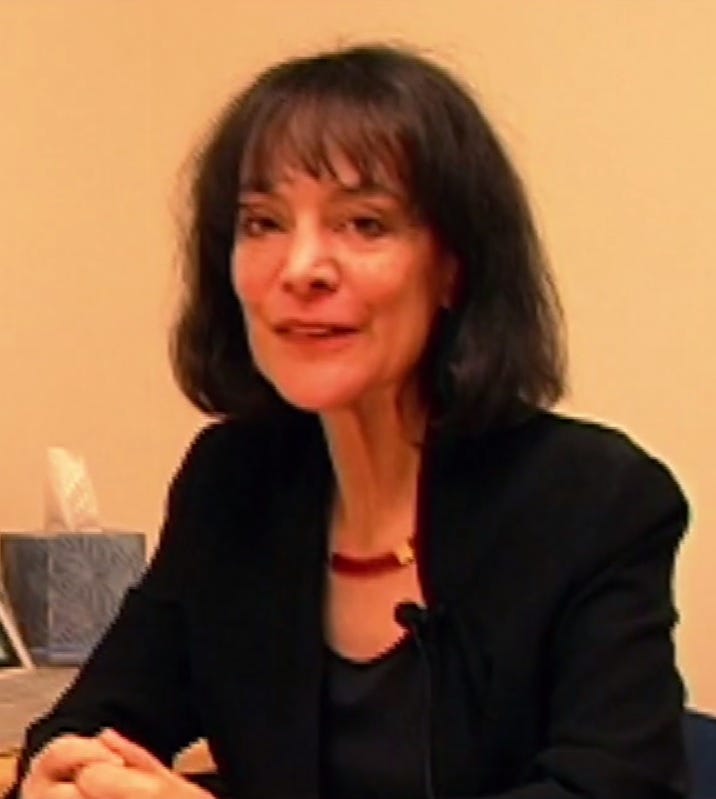
Carol Dweck is an American psychologist. She has served on the faculties of the University of Illinois, Harvard, Columbia, and Stanford and is widely credited with coining the term “growth mindset.”
A growth mindset, according to Dweck, is a belief that basic attributes of human beings, including their intelligence, talents, and abilities, can be improved upon and expanded through study, practice, and effort.
In contrast, a fixed mindset is a belief that these qualities of a person are assigned and static. “Smart people are smart.” “Artists have a natural gift.” “He was born to play golf.”
For the purpose of this article, I am going to simplify the growth mindset and talk about the power of believing that one can improve in specific areas of life.
Why Does It Matter?
Zig Ziglar was famous for saying, “Whether you think you can or you think you can’t, you’re probably right.”
I’m no scientist, and this is not a scientific article, but I am certain that Zig was right on point with this statement. In my nearly six decades, I have accumulated a lot of experience.
In 2023, I transformed my life in many ways.
- I lost more than 25% of my body weight.
- I quit drinking after decades of being really good at it.
- I developed a gym habit. I started in April and attended in fits and starts for several months before recommitting in November. I have gone every Tuesday, Thursday, Saturday, and Sunday for more than nine weeks and counting. I have worked out at the gym 99 times since I started in April.
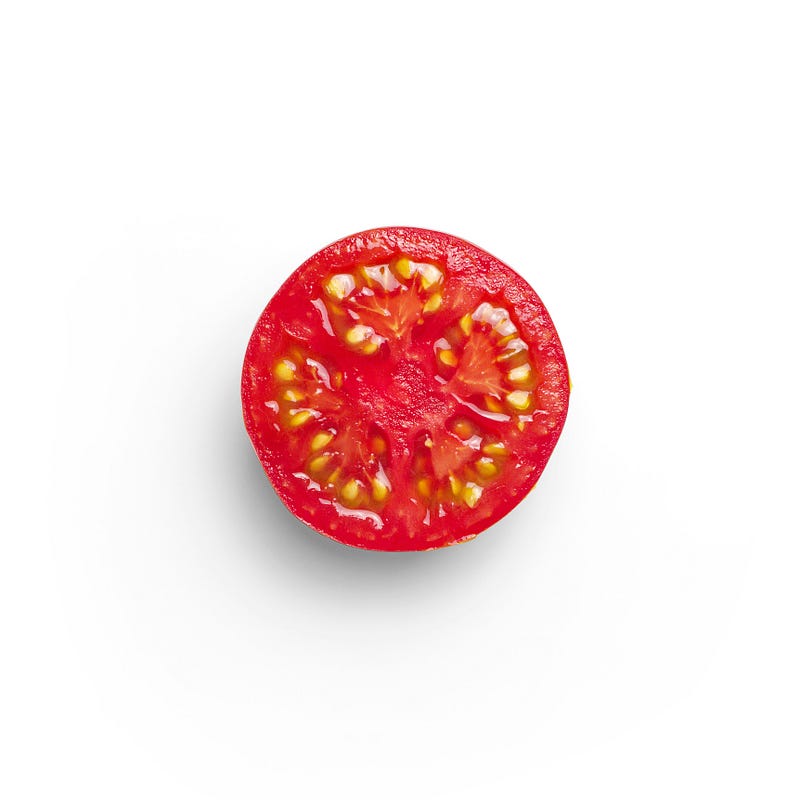
- I taught myself to like raw tomatoes, a food I have abhorred since childhood. This is a big one.
- I have given up anger almost entirely. Anger is no longer part of my life.
All of these things were possible because I have a growth mindset.
Learning to Like Raw Tomatoes
I have written a number of things about giving up alcohol, getting into the gym, and losing weight. Please feel free to read all of it. I hope it helps with your journey.
My raw tomato experience may seem less significant, but it better illustrates the growth mindset at work.
I cannot remember a time when I ate raw tomatoes. How could anyone do that? They are wet, goopy, and disgusting. From childhood, I hated them. I love salsa, sauce, ketchup, and all manners of cooked tomato concoctions, but raw? No, thank you.
But why didn’t I like them? Throughout my life, people have badgered me about it. My parents love sliced tomatoes on white bread. Why didn’t I?
I came to realize that I had made the decision not to like raw tomatoes in my childhood! I was allowing a five or six-year-old version of myself to tell me what to do. In January 2023, I decided it was time to stop.
Growth Mindset Personified
I told my wife that I had decided to start liking raw tomatoes. She was skeptical. What food do you hate? What would your spouse say if you “decided” to like it?
The key for me was understanding that we decide what we like. I decided more than fifty years ago that I hated raw tomatoes. A child decided that. I ordered burgers and club sandwiches with no tomatoes. I picked them out of salads. I did not like them, Sam I Am.
My growth mindset allowed me to believe that I could change my tastes. I am a work in progress. I am growing all day, every day. I am not a complete product. I couldn’t hold my own head up when I was born, but look at me now!
I started that minute. We had a container of cherry tomatoes on our kitchen counter. I pulled one out and popped it in my mouth. I chomped into it. GROSS. It was so wet. I chewed it slowly. I let the flavor wash around in my mouth. It was not good, but I didn’t throw up.
I added tomatoes to my normal diet. Every sandwich, every salad, and occasionally just for the hell of it. After a month, I felt comfortable eating tomatoes. I still didn’t like them. I kept plugging along.
It took me more than six months, but eventually, I began to enjoy the flavor. In September, I realized that I didn’t mind the goop anymore. I was a tomato eater.

If I Can Learn to Eat Raw Tomatoes, What Can You Do?
This is a serious question. I hated, despised, and detested raw tomatoes. I avoided them at all costs for more than fifty years. Other people planned dinner party menus around my disdain. Now I eat them several times a week.
I will eat anything now, and I will enjoy the experience.
What did you decide about yourself that may not be true? Are you bad with money? Are you addicted to alcohol or cigarettes? Are you “not a gym person” or “not a morning person?”
You are who you say you are, and you get to say every single day. You can be anyone you choose. It’s that simple. The Avett Brothers said it better than I could. “Decide what to be and go be it.”
The Proof is in the Pudding, or in this Case, the Olives
When I decided to start liking raw tomatoes, I wasn’t certain I could do it. The concept made sense to me. People all over the world love tomatoes; tomatoes are a healthy choice, a child made this decision, etc.
Still, my brain told me that tomatoes were horrible. The thought of chewing up a tomato and swirling it around in my mouth was disgusting. The challenge seemed daunting at best.
I thought back to when I decided to start swimming for fitness. On the first day, I swam one pool length and then walked back to the start. I swam to the other side again and walked back. I repeated this pattern. When I came back the next day, I walked every third length. The next time, I walked every fourth length. In a few months, I was able to swim half a mile. Eventually, I was able to swim two miles.
I used the same technique with tomatoes. I started with a tiny cherry tomato and worked my way up the ladder, bite by less disgusting bite until I was a tomato eater.
Then something funny happened. My wife wanted to order a Greek salad one night before a concert. I agreed, but I planned to pick out the olives. Olives were in the same category that tomatoes had been in. They were putrid.
When the salad came, I decided to like the olives. I picked out a big piece of black olive and popped it into my mouth. It was salty. It tasted like an olive. It wasn’t bad. I tried another one. Hey Mikey!
I also began to eat cucumbers, avocados, and olives. I ate a deviled egg. My gag reflex desperately wanted to fire, but I managed it and ate the whole thing in one fell swoop.
Training myself to like tomatoes proved to me that I decide what I like. Now that I know for certain that I am in charge of the like vs. dislike decision, I choose to like everything I encounter.
This is the Growth Mindset at work.
Developing a Growth Mindset Will Change Your Life
If most of this article sounds like BS to you, you are not alone. Almost everyone believes they “are a certain way,” or “can’t do this or that,” or “have to do this or that.”
The truth is that you are not the same person you were twenty years ago or even twenty days ago. You are the star of your own story, and you are also the writer. Decide who you want to be and start telling people who you are.
One day, I was Chris Compton, a fat, heavy-drinking real estate broker who hated raw tomatoes. The very next day, I was a writer who didn’t drink alcohol, was rapidly losing weight, and would eat anything nutritious. Bring on the tomatoes.
I am special. But I am no more special than you. This isn’t BS. It isn’t magic. It isn’t even difficult. It’s simply a choice.
What will you choose?
Chris Compton
02–29–2024