
Life Between the Dunes and the Ocean
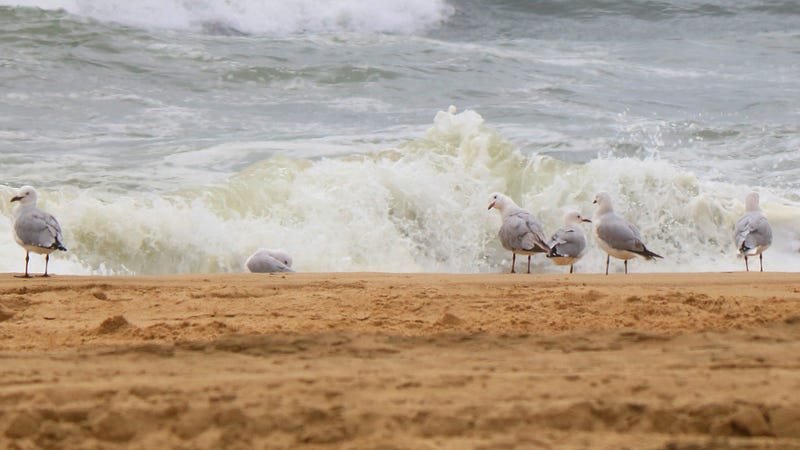
The waves of the rough Atlantic ocean and its visitors on the beach
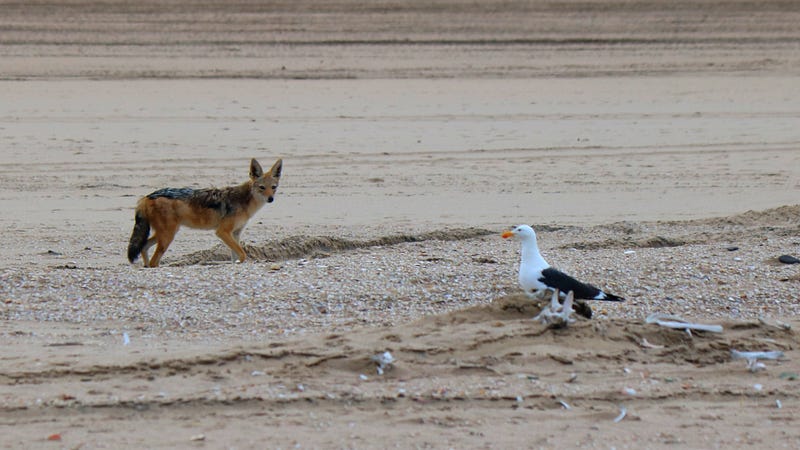
It might not be the prettiest beach or coastline in the world. Or let’s say, for a fact it isn’t. But you take what you get. And that’s not always tropical beaches with crystal clear water and white sand beaches.
Sometimes it’s the rough Atlantic Ocean and a coast that made its name for countless shipwrecks stuck in the sand. The Skeleton Coast. Only for real adventurers.
The Skeleton Coast stretches from the Angolan border at the delta of the Kunene River mouth up to the Swakop River. An endless coastline of nothing but harsh living conditions.
Some refer to the entire coast of the Namib desert as the Skeleton Coast. Reasons for it are enough to be found in countless shipwrecks. Shipwrecks that are stuck in the beach, dunes, or the rocks of the ocean.
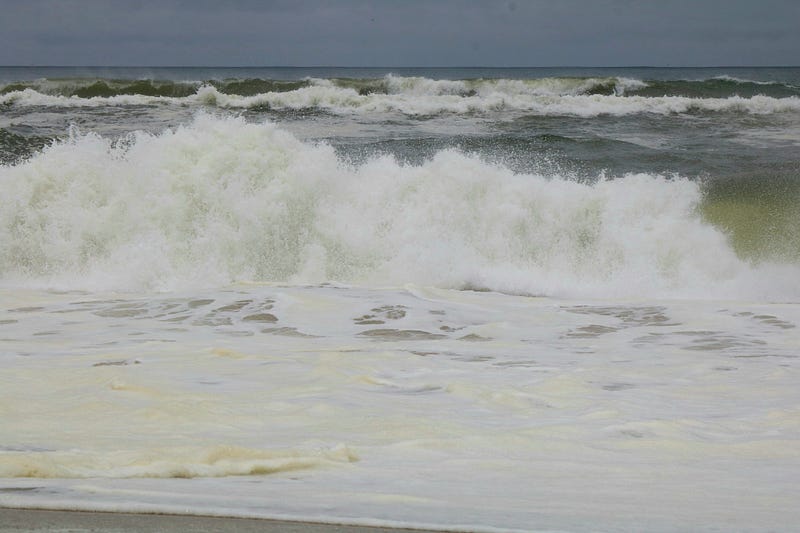
The coast is made of mainly soft sand, high dunes, and soft rocky areas. Due to the cold Benguela current coming up from the Antarctic the coastline is covered in fog for most days of the year. Making it until today difficult to pass for sailors causing many of them to lose their ships in the roughness of the coastline.
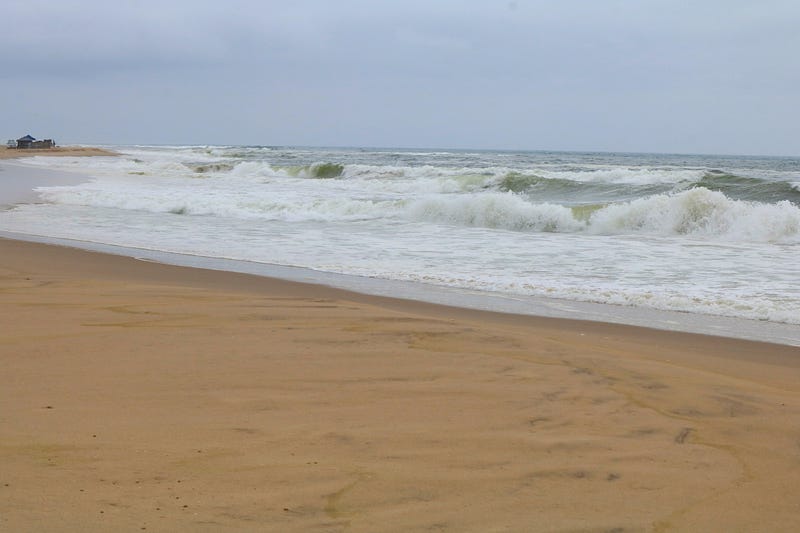
Animals are much better adapted to the harsh conditions of the ocean and the weather. They embrace the seclusion and isolation of the landscape. Most parts of the coastline are inaccessible from both sides. Sea and land.
Only with heavy 4x4 vehicles and proper equipment, you can go on excursions into the wild of the Skeleton Coast. Don’t take it as a joke. The sea and the sand has taken many lives. And still does.
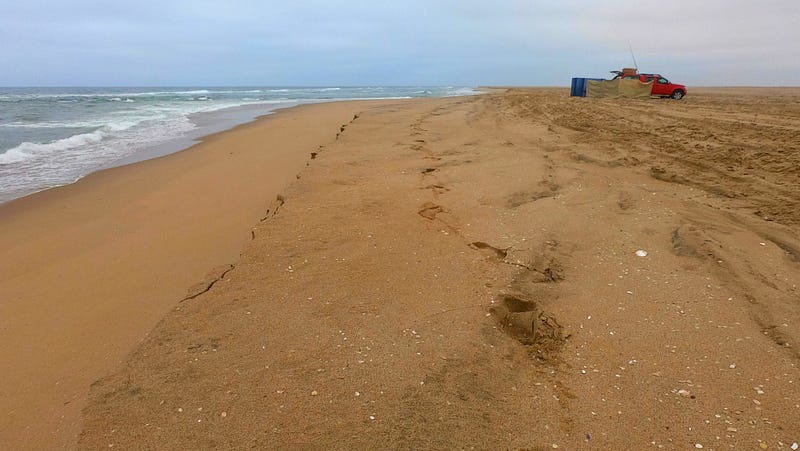
An area a bit more accessible we explored a few days ago. Just south of Walvis Bay. The country’s biggest harbor. Massive salt pans are part of the aerial view of the town. And that’s where we drove to.
Through the salt pans covered in flamingos, we drove to the coast. Through some soft sand, we drove in low-range gear trying our best not to get stuck. Finding a spot for the night we tried to judge the tides by the wetness of the sand and decided we would be safe from the waves of the Atlantic ocean.
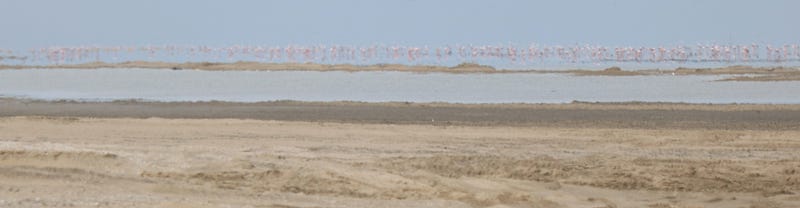
Behind us, the salt pans stretch across the horizon. Pink dots become blurred. The inhabitants of the area. Flamingos.
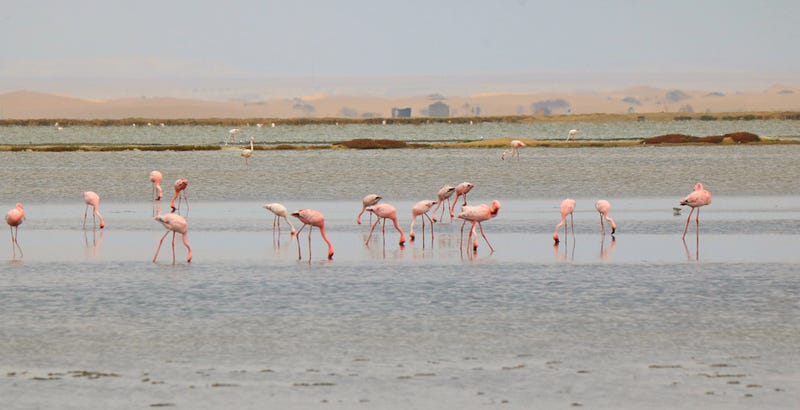
With the dunes in the background and the rough ocean in front of them, they found a safe heaven to live in. Birds don’t mind the fog or the wind. They just eat, sleep, and fly.
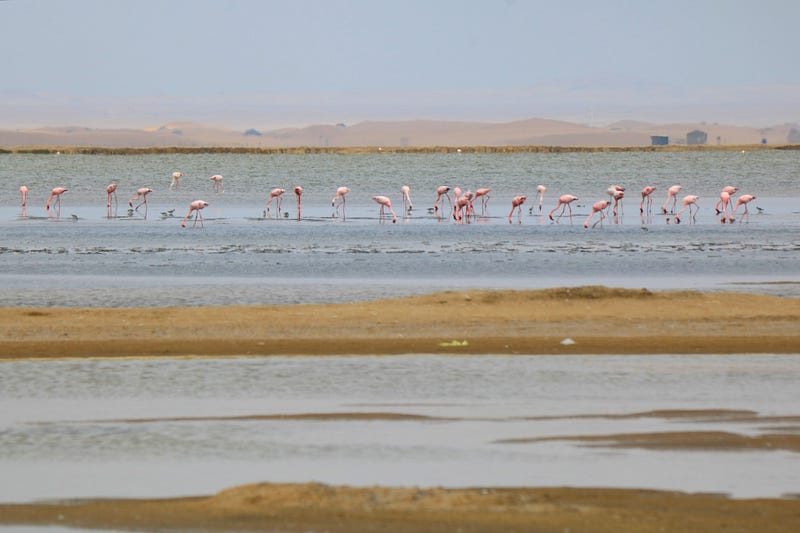
On the other side, we’re watching a family of seals surfing the waves of the rough ocean and playing in the cold water. Didn’t get them on camera but enjoyed watching them having fun.
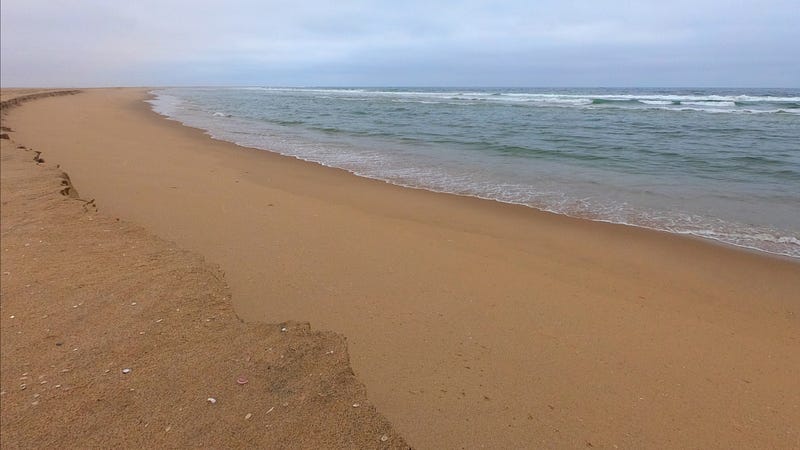
After a night listening to the roaring sound of the waves we woke up to footprints surrounding our camp. The scavengers of the Namib desert left their tracks behind.
The black-backed Jackal.
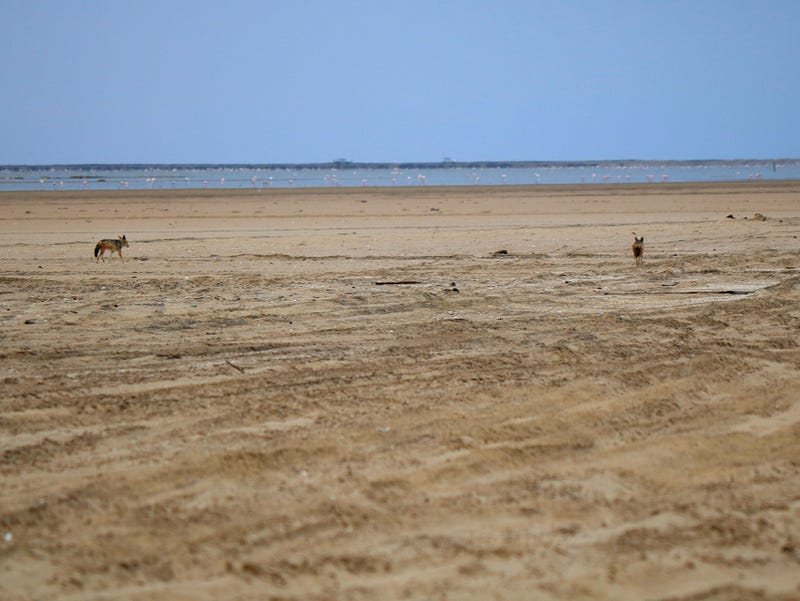
A couple walked past our camp when we got up and another one visited us later in the morning. There must have been more of them during the night coming by and looking for food.
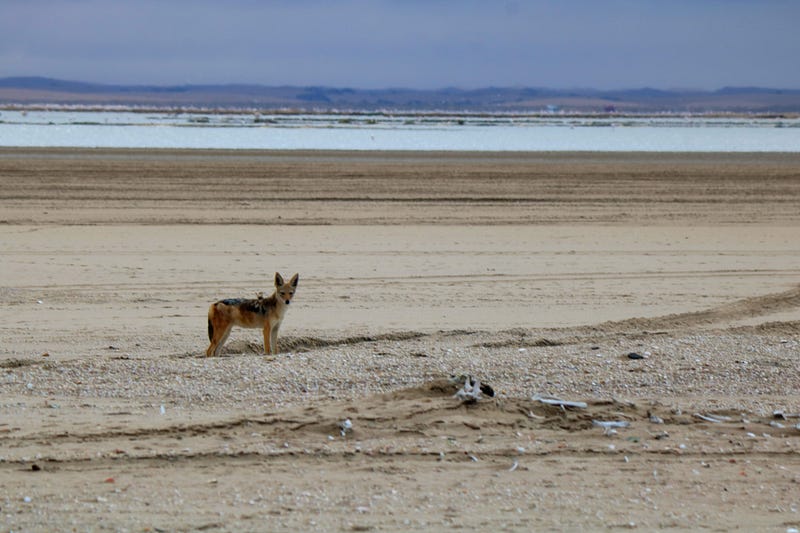
The wildlife isn’t as diverse as in the busy game reserves of the country but it was more than enough for a night in the wild. Seabirds come in numbers and all we missed was some fish on the fishing rod.
More of my photographic documentaries of Namibia…
Join my email-list here.
Anne Bonfert is a traveler. Photographer. Writer. Teacher. Skydiving instructor. Adventure enthusiast. Nature lover. And fell in love with the African continent.


