
The Community Classroom
Leveraging Local Resources for Educational Enrichment
Blueprint for Cultivating Curiosity Beyond Conventional Classrooms
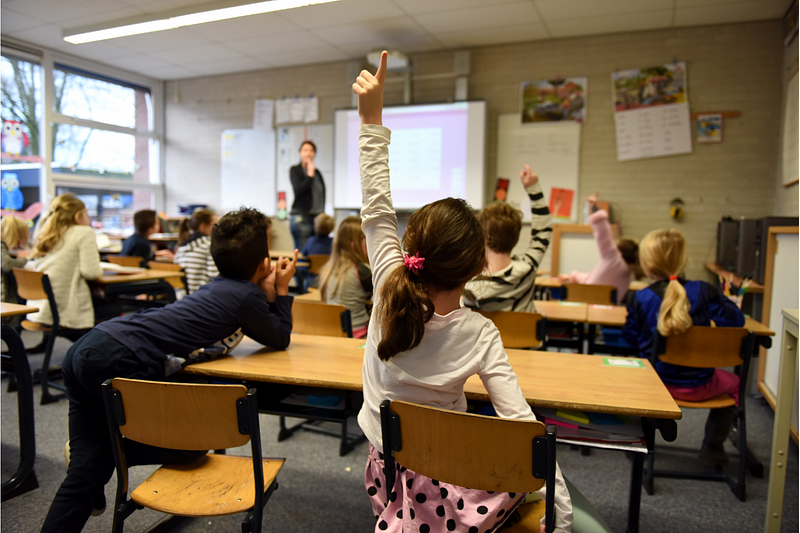
It’s not in the latest tech startup or a political movement but rather in education. “The community classroom” refers to the power of local resources. They enrich the teaching of learners of all ages. It shows that the most impactful lessons often come from nearby, not a textbook.
Education is not in a classroom.
It is woven into the community’s fabric. This makes learning more dynamic, engaging, and practical. This is the heart of the community classroom. It is an educational ecosystem. It uses local businesses, parks, museums, and even the streets. They create a lively learning environment.
It all started with a simple observation: Students seemed uninterested in old ways of learning, which often felt detached from the real world. This disconnection hampered their curiosity and limited their understanding. They needed to see how their education applied outside of school.
The solution?
To bridge this gap, we should add local resources to education. This will create a more prosperous learning environment.
The Community Classroom initiative uses the diverse resources available in the community. It turns them into living classrooms. Local businesses become labs for practical economics, entrepreneurship, and work ethics lessons. Parks and nature reserves transform into open-air classrooms for environmental science and biology. Museums and historical sites offer immersive experiences. They bring history and culture to life. They make the past real and touchable.
One of the most striking examples of this approach in action was a project involving a local bakery. Students learned the basics of baking, the chemistry of recipes, the math of ingredient amounts, and the economics of running a bakery. For the final project, students ran a pop-up café. They put theory into practice, and everyone enjoyed the lessons with every bite.
Beyond the tangible resources, the Community Classroom initiative fosters a unique mentorship ecosystem. Local professionals and artisans become mentors. They share their knowledge, skills, and authentic experiences with students. This mentorship goes beyond learning. It instills values like craftsmanship, perseverance, and community engagement.
This mentorship model started when engineering students partnered with a local robotics startup. The startup’s engineers guided the students. They designed and built a prototype for a low-cost, sustainable water purifier. The project honed their technical skills. It taught them about innovation for social good.
Implementing the community classroom model has its challenges. It requires effort, and both sides must be willing to adapt. Funding can also be a hurdle, but grants and community fundraisers have helped. Yet, the rewards are many. They include increased student engagement, practical learning, and a stronger community connection.
In a globalized community, the classroom is a model. It helps us understand global issues. Students can work with diverse communities and local immigrants. They can learn firsthand about cultures, languages, and views different from theirs. This approach enriches their understanding and fosters empathy and global citizenship.
A local school partnered with a refugee support center. They did this to create a cultural exchange program. This was a compelling illustration of the value of such partnerships. Students learned about the countries, cultures, and experiences of refugees in their community. They organized cultural fairs, shared stories, and even collaborated on art projects. This initiative broke barriers. It built friendships and taught about humanity and solidarity.
While leveraging local resources, the Community Classroom integrates technologies. Platforms can expand local learning’s reach and impact. They connect students to global issues. They link them to experts worldwide and virtual tours of far-off places. The balance between local engagement and global connectivity prepares students for the future. In the future, physical and social engagement will become intertwined.
An example of this was a project that used VR to take students on a virtual trip to the Great Barrier Reef. A local marine biologist guided the students. They explored the reef. They learned about water ecosystems, climate change’s impacts, and conservation efforts. The experience was educational and moving. It inspired many students to become more active in environmental conservation.
The community classroom aims to create a culture of lifelong learning. We can spark a passion for learning. We can do this by making education relevant. Engage with real experiences to make it effective. This passion lasts well beyond the school years. This approach prepares students not for exams or the next academic step. It prepares them for life. It equips them with the curiosity, skills, and mindset to adapt to an ever-changing world. Join the movement.
The community classroom is beginning, and everyone has a role to play. You might be a teacher looking to bring it into your class, a parent aiming to enrich your child’s learning, or a community member with knowledge to share. You can contribute to this new approach to education.
We stand on the edge of change.
In it, learning is lifelong.
Curiosity knows no bounds.
Education is a shared responsibility that unites us all.
The future of education is not in our classrooms; it’s in our streets, parks, businesses, and homes.
Let’s use this potential together.
We will pave the way for a brighter, more connected world.
Thanks for taking the time to read. I’d like to hear your perspective.
You can also refer to the related articles:

Please subscribe here to receive the latest insightful stories by email.
Did you find this enjoyable? If so, remember to hit the clap button, which you can press up to 50 times and comment. Take advantage of more from me — ensure you’re following if you still need to. Thank you for being an integral part of my journey.


