
Ancient History and Culture
Let’s Travel 5500 Years Back in Time.
Hop on for a quick trip across ancient Iraq, Egypt, Canaan, India, & the British Isles to discover the birth of writing.
Gather ‘round, folks! We are embarking on an adventure today! Yes, that’s right… We are journeying back 5500 years to explore how humans began expressing their thoughts & words through ancient forms of writing.

Our guide is Professor John McWhorter, and let’s give this journey a name: how about ‘Ancient Writing and the History of the Alphabet’? Now that we’ve completed the formalities, let’s buckle up, as we are about to move back in time at a thrilling speed.
Year: 3500 BCE Location: A bustling market in the ancient town of Uruk, Mesopotamia (present-day Iraq)
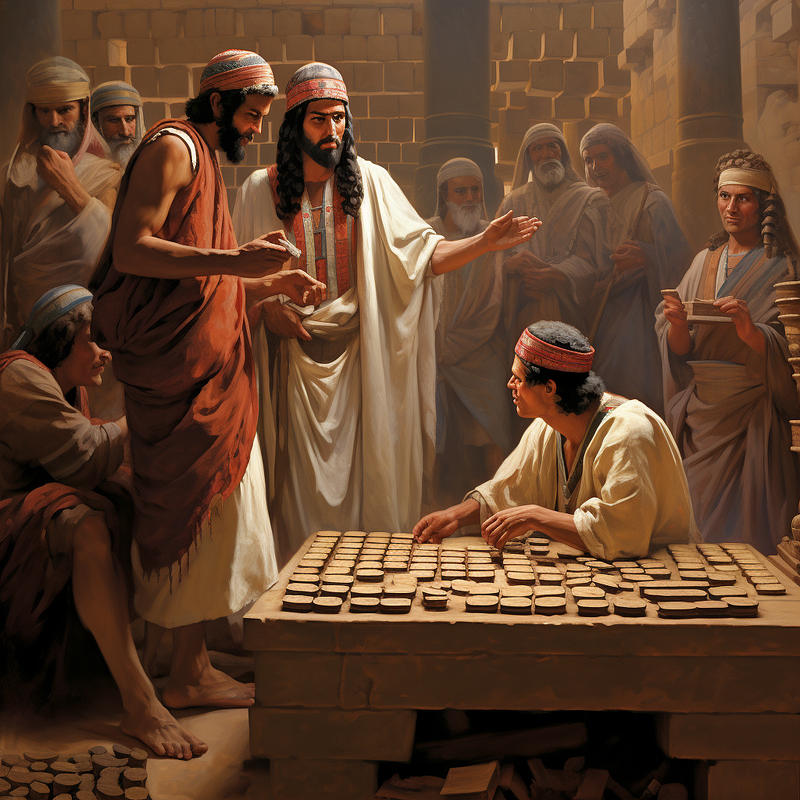
Look around — people are engaged in trading sheep, grain, and various everyday items. For record-keeping, they make imprints of the traded items onto clay tablets.
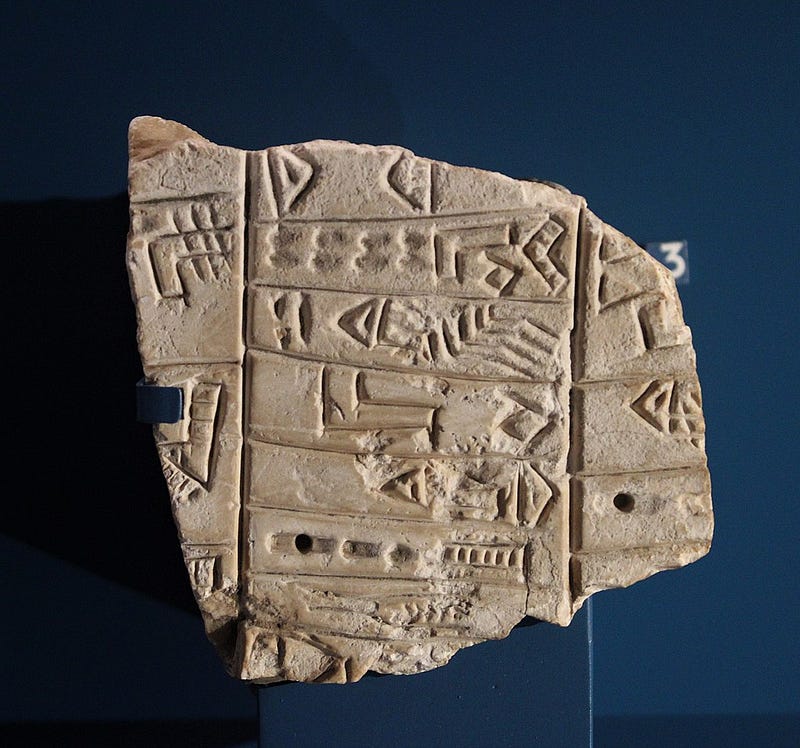
Fast forward a few decades, & the clay tablets have evolved into more intricate forms with detailed representations of the items, created using a stylus. This writing system is known as Cuneiforms.
Oh look, a trade is going on between the beer makers and suppliers. Interestingly, the record keeper guy, named Kushim, has even left his signature on the tablet, indicated by a rectangle & a downward-pointing leaf. You can spot it in the top left corner. (Man is nothing less than a celeb, for having given his ‘autograph’ on 18 clay tablets)
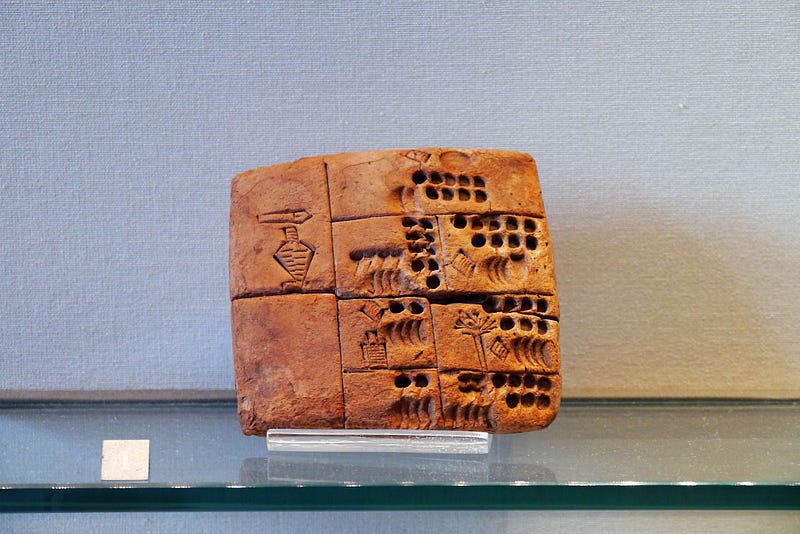

This marks the birth of the first-ever written language: Sumerian. Impressive, isn’t it? But here is something even more fascinating: the Cuneiforms gradually evolved from representing pictures to representing syllables! For instance, the Sumerian word “Til,” which originally represented & resembled an arrow, eventually came to signify the syllable “ti” when written.
While the Sumerian language eventually faded away, the legacy of the ‘Cradle of Civilizations’ lived on, blessing other languages with their own unique writing systems.
Year: 3100 BCE Location: Mother of the World, Egypt.
While we were still in Uruk, some of you might have noticed Egyptian traders looking at the inscribed clay tablets with fascination. After returning home, they developed a similar writing system called Hieroglyphs for their native language, the one they are speaking at the moment. I know, I know, it sounds beautiful. You can keep listening to it once you return home.
Coming back to Egypt, you can notice the Hieroglyphs carved on temples, tombs, and even pottery. They include pictures, syllables, and consonant letters. They are highly telegraphic; it requires context & a lot of guessing to understand them.
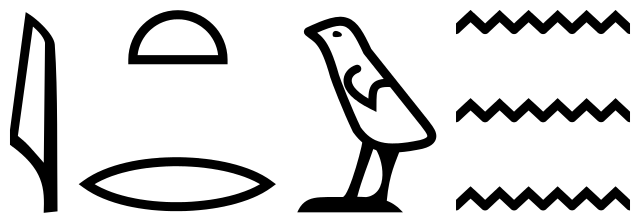

Now, who wants to know how to write their name in Egyptian hieroglyphs? While you do this activity, let me take us a bit forward in time.
Year: 1900BCE Location: still Egypt
Do you see those laborers building pyramids? They are not locals, but Semitic-speaking workers brought in from other areas. Naturally, they find it difficult to use local hieroglyphs in their ‘graffiti’ and so they have started using them in a new way.
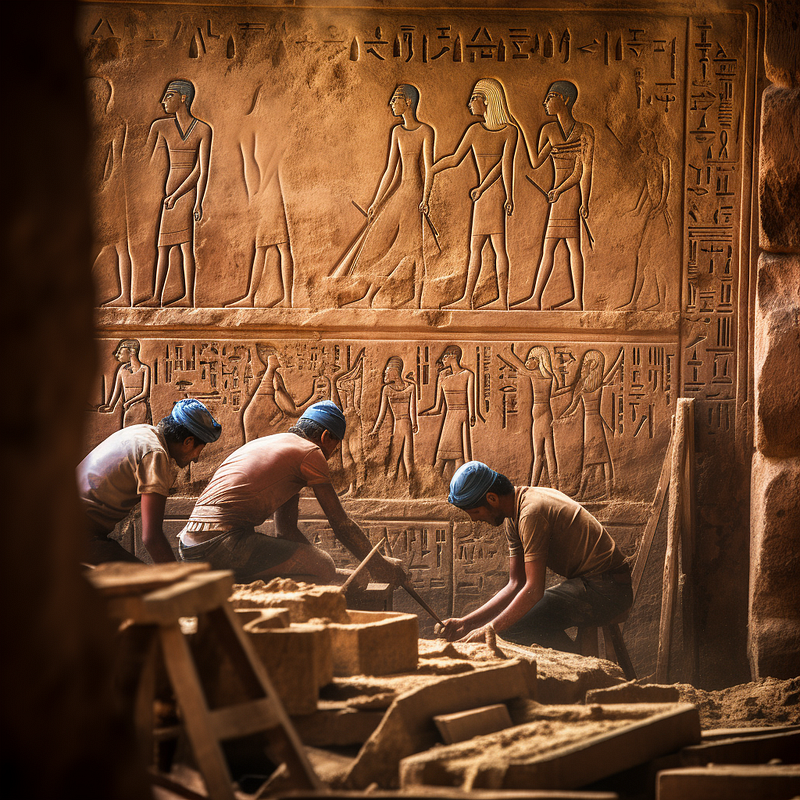
For example, the hieroglyph for the ‘house’ also represents ‘h’, and ‘house’ in the Semitic language is ‘bet’. The laborers, using the raw material of hieroglyphs, came up with letters for their own language. The symbol for ‘house’ became the letter ‘b’ in Semitic language. They have created a crude system of the alphabet & they don’t even realize it! Who is going to tell them?
Year: 1100 BCE Location: Canaan, across the Red Sea.
By now, the letters have spread far & wide due to their user-friendly nature. The maritime traders of Canaan have also brought this new system home.
Phoenicians, the people of Canaan adopted and institutionalized it, creating the first formal set of letters. It became the foundation for Aramaic, Hebrew, Arabic, Greek, Latin, & even Indian languages’ writing systems with the addition of “ah,” “oh,” & “eh.” Vowels, I mean!
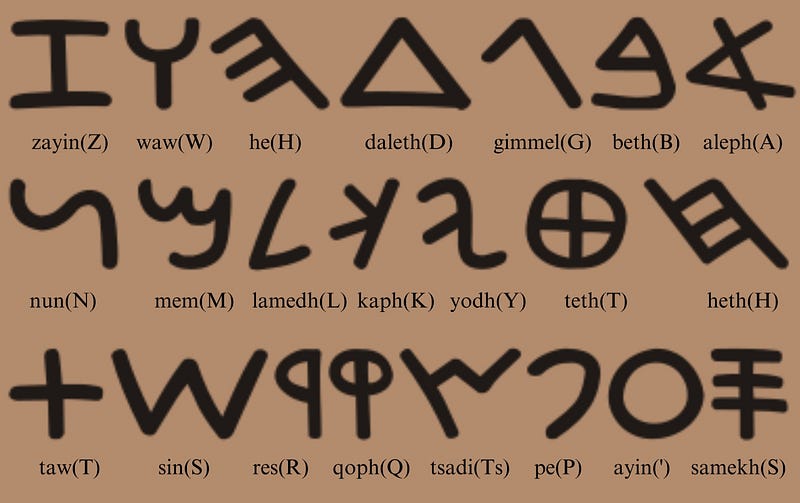
Alright, bid your farewells, everyone. We are about to leave for the Jewel of the East: India!
Year: 3rd century BCE, Maurian empire Location: Ancient India
We are entering a magnificent temple adorned with stories of devotion on temple walls. Do you guys see these intricate carvings? That’s Brahmi script, the granddaddy of Indian scripts! Born right here in ancient India from the inspiration–not the adoption of–Aramaic script.
Trace the ancient letters etched into stone with your fingertips, & feel the evolution of writing with Each stroke of the chisel, from pictorial representations to syllabic symbols. Remarkable, isn’t it?
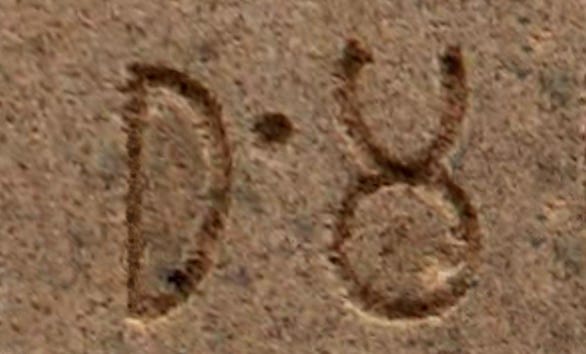
We’ve seen the Brahmi script, but did you know that from here sprang a linguistic legacy spanning millennia? It morphed into a great many scripts in South and Southeast Asia.
Don’t these ancient scripts etched into the temple walls, awash with the glow of the setting sun, serve as a poignant reminder of our shared human heritage and the remarkable journey we have undertaken?
Oh, I hear someone asking if we could visit the magnificent, 5500 years old Indus Valley Civilization while we are here in Ancient India. No sweetie, we can’t! It hasn’t been discovered yet. That’s going to take another 2000+ years. But, I can tell you one thing: their language has not been deciphered even till 2023, & no one knows how long it’s going to take. How ‘bout you guys give it a shot?
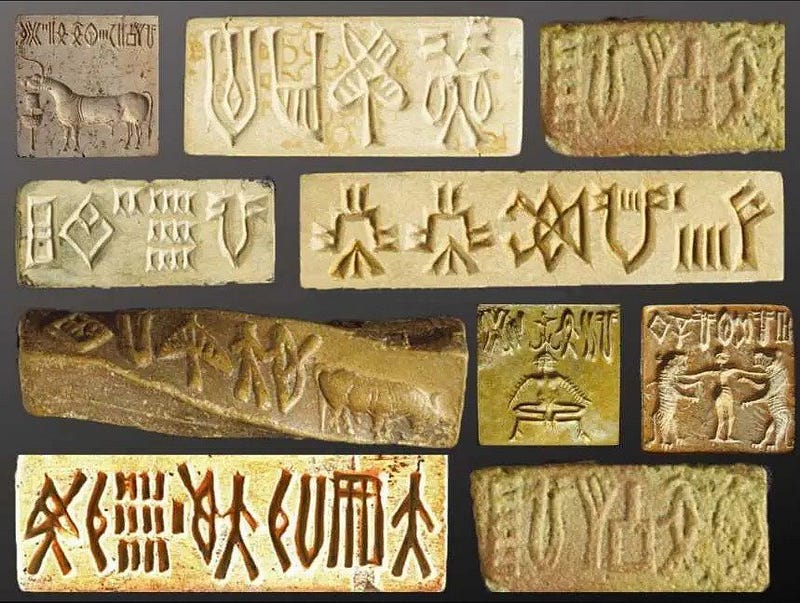
We are going to go fast forward in time now, witnessing the evolution of Greek, Latin, and of course, English. On our way, as you guys munch on Parsad and other festivities received in India, how about I give you a quick backstory of Phoenician to Greek evolution? Agree? Great!
So, the 9th to 8th Century BCE was the time period when the Greeks adopted–& improvised–the writing system from their neighbors: the Phoenicians. They added more vowels, tweaked the previous ones, played with the consonants, and came up with a set to better serve their language. By the 6th Century BCE, the Greeks had passed on their alphabetic system to the Etruscans, a civilization of people who lived on what we now think of as the Italian Peninsula.
Our current location is the British Isles, 8th century CE.
You can see Irish monks teaching Latin & other subjects along with religious education in monastic schools, thus blessing the English language with a writing system.
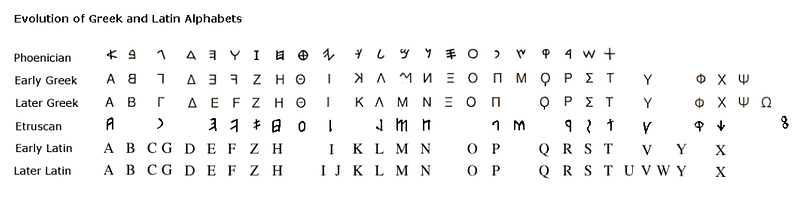
And this–my fellow adventurers– is how ‘Aleph’ became ‘alpha’ in Greek, ‘ah’ in Latin, and lastly ‘ay’ in our beloved English.
Year: 2023 Location: Your chair, bed, floor, or maybe toilet seat.
After a long, not-so-tiring journey, we are finally back in the comfort of our homes, loaded with bundles of knowledge. From now on, whenever you read or write anything, you’ll know where it’s coming from, & that’ll fill your heart with gratitude & a deep appreciation for the ancient civilizations that paved the way for our written words.
Our guide Professor John McWhorter is signing off, & so am I. Until next time!
Wanna have a solo journey? Confirm your seat here.