
Let’s Talk About the Middle East
Common Stereotypes and Misconceptions
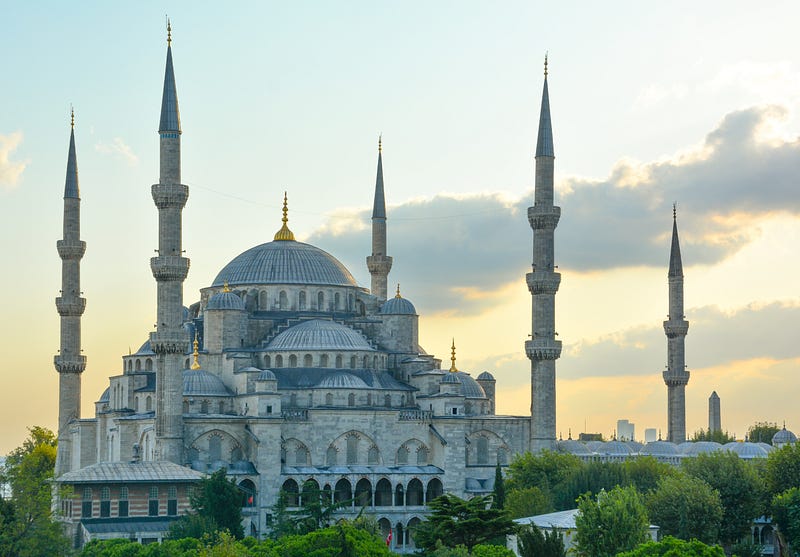
It is almost certain that you have encountered someone from the Middle East already in school, university, or at work. Based on the media and the news, you have had a certain opinion about people from that part of the world. Did you know that the Middle East has multiple languages and it is also part of three different continents? Let’s discuss here some of the stereotypes that people associate with the Middle East and why they are wrong.
You must be Arab
Being from the Middle East does not automatically mean that you are Arab. The Middle East includes also Turkey, Cyprus, Iran, and Israel. The region is also home for other minorities such as Kurds, Arameans, Turkmens, and others, which now call the Middle East their home.
The Middle East consists of multiple countries in Asia, one country in Africa (Egypt) and two in Europe (Cyprus and parts of Turkey). Even though, the majority of the countries in the Middle East are Arabic speaking, assuming that everybody in the region speaks Arabic is false.
You don’t look Middle Eastern
As mentioned previously, the Middle East is based on three continents. This part of the world links Asia, Africa, and Europe together. A lot of the merchants and travelers in the old ages decided to stay in the Middle East and called it home. The Middle East was also targeted in the Crusades and it was targeted by the Mongolians under Dschingis Khan.
Slaves from Africa were brought to the region either by old Arab merchants or by the European colonialists. This all contributed to the Middle East being a mixed bowl of Salat: people with different features, different looks, different hair colors, eye color, and skin colors living together.
All Arabs are Muslim
Not all Arabs are Muslims and also not all Muslims are Arab. Arabs might practice Christianity, Judaism, or Druzism to name a few other religions in the region besides Islam. Being an Arab and being a Muslim are two different things, one describes the language one speaks and the other is his religion. Currently, the majority of Muslims live outside the Middle East and the largest Muslim population is in Indonesia.
It’s all desert and oil
The geography of the Middle East includes everything and it is very diverse. Let us take Jordan for example. It includes fertile river valley, forests, desert, mountains, and plateaus. A trip from northern Jordan to the south will lead you through pine forest, desert, and palm on the Red Sea. Some countries in the Middle East are oil-rich (Arabian Peninsula), while others have only little reserves.
Arabs are nomads
When I first moved to Germany and told people I’m from Dubai, some immediately assumed and asked: “wow! you live in the desert and ride camels?”. In the beginning, I used to correct them but as time went by it got annoying, so I started just nodding my head in agreement. The same people were so furious when they saw a TV documentary or a magazine article about the prosperous city and accused me of lying. My answer was:
It is a city in the desert and we have camels”.
Very few people in the region live as nomads. The majority of the population in the region lives in major cities such as Cairo, Amman, Damascus, and Istanbul. The Middle East is the cradle of the old civilizations, that paved the road to modern societies.
So in the end I can only suggest one thing, the next time you meet someone from the Middle East, understand that there is no typical definition of how people from the Middle East are. They come from different backgrounds, traditions, and religions. People from the Middle East do not belong to a certain race or ethnicity. They are a mix of different groups and old civilizations, that decided to settle in the region.