
Let’s Keep our Identity, for….Touristic Reasons!
People are homogenized all over the world to one single culture…
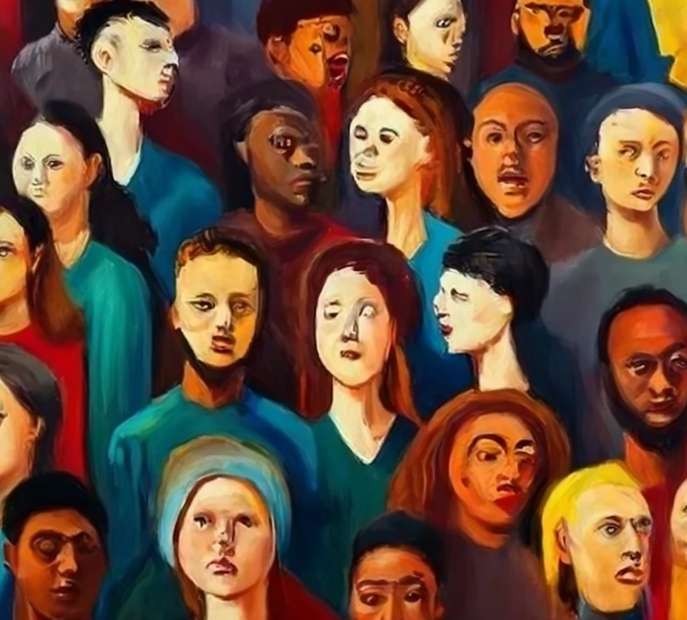
The World is Becoming One
Have you ever thought that what is happening, in our times is “The Globalization of Culture”? Have you noticed how the World is Becoming One”?
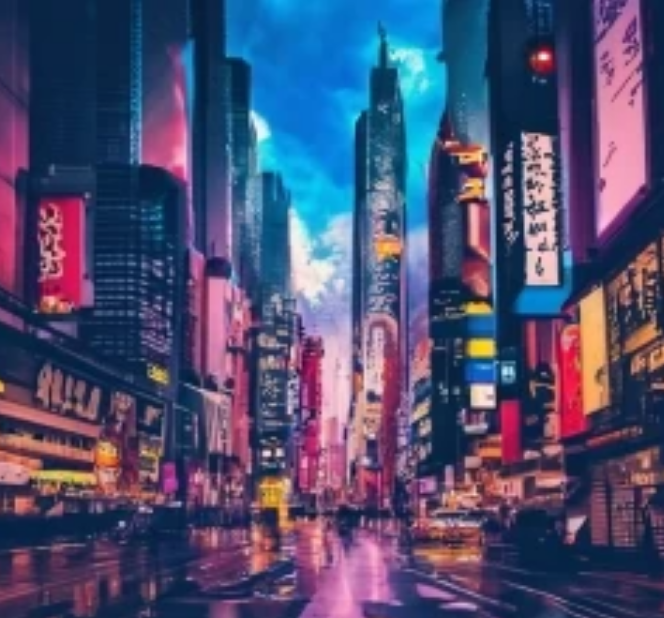
“Sofa” Culture Everywhere
In today’s world, it’s easier than ever to connect with people from all corners of the globe. With just a few clicks, we can chat with someone in another country, watch movies from different cultures, and even order food from around the world. This interconnectedness is a result of globalization, a process that has been happening for centuries but has accelerated in recent years. One of the effects of globalization is the homogenization of cultures, where different societies start to become more alike. I toss the term “sofa” culture for that!

Wearing Similar Clothes, Eating Similar Food
Imagine walking down the streets of a big city like New York, Tokyo, or London. You’ll see people wearing similar clothes, eating similar foods, and even speaking similar languages. This is because globalization has led to the spread of ideas, technologies, and ways of life across borders. For example, fast food chains like McDonald’s and Starbucks can be found in almost every country, serving burgers and coffee that have become familiar to people worldwide.

Exposed to Advertisement of Certain Cultures
But why is this happening? One reason is the rise of mass media and the internet. Through television, movies, and social media, we are exposed to images and ideas from different cultures every day. This exposure can shape our preferences and behaviors, leading us to adopt practices that were once foreign to us. For instance, a teenager in Brazil might start dressing like a pop star from the United States after seeing them on Instagram.

Multinational Corporations transform our cultures
Another factor is the influence of multinational corporations. Companies like Apple, Coca-Cola, and Nike have a global presence, selling their products in countries around the world. As a result, their logos and branding have become symbols of modernity and success. People everywhere aspire to own the latest iPhone or wear a pair of Nike sneakers, regardless of where they live.
Governments and International Organizations Promote Cultural Homogenization
Additionally, governments and international organizations play a role in promoting cultural homogenization. Trade agreements like the North American Free Trade Agreement (NAFTA) and the Trans-Pacific Partnership (TPP) make it easier for goods and services to flow across borders. While this can boost economies and create jobs, it can also lead to the dominance of Western culture and values, marginalizing indigenous traditions and languages.

However, it’s important to recognize that globalization is not a one-way street. While Western culture may be influential, other cultures are also making their mark on the world stage. For example, K-pop music from South Korea and Bollywood movies from India have gained popularity in countries far beyond their borders. This exchange of ideas and influences enriches our global society and reminds us of the diversity that exists in the world.
While cultural homogenization can bring about certain benefits such as increased interconnectedness and ease of communication, it also comes with several negative effects that warrant attention. Here are some of the drawbacks:

Loss of Cultural Diversity
One of the most significant drawbacks of cultural homogenization is the erosion of unique cultural practices, languages, and traditions. As societies adopt more mainstream and globally accepted norms, indigenous cultures risk being overshadowed or even extinguished. This loss not only deprives communities of their heritage but also diminishes the richness of global cultural tapestry.
Cultural Imperialism
The dominance of certain cultures, particularly those of economically powerful nations, can lead to a form of cultural imperialism. Western ideals and values, often propagated through media, technology, and consumer products, can overwhelm local cultures and impose a uniform standard of living and behavior. This can lead to the marginalization and disenfranchisement of communities whose identities diverge from the dominant cultural narrative.
Economic Inequality
Cultural homogenization is often intertwined with economic globalization, which can exacerbate existing inequalities between nations and communities. Multinational corporations wield significant influence in shaping global cultural trends, yet their operations may exploit cheap labor and resources in developing countries, perpetuating cycles of poverty and dependency.

Loss of Traditional Knowledge
Indigenous knowledge systems, passed down through generations, hold invaluable insights into sustainable agriculture, medicine, and environmental stewardship. However, as traditional cultures are assimilated into the global mainstream, this knowledge is at risk of being forgotten or dismissed. This not only undermines the resilience of local communities but also limits humanity’s collective understanding of the natural world.

Cultural Conflict and Identity Crisis
As traditional cultures collide with globalized norms, tensions can arise within societies, leading to cultural conflict and identity crises. This can manifest in various forms, from resistance movements against cultural assimilation to a sense of alienation and disconnection among younger generations torn between tradition and modernity.

Loss of Cultural Autonomy:
Cultural homogenization can undermine the autonomy of communities to define and shape their own identities. External influences, whether through media, education, or consumerism, can dictate what is deemed desirable or acceptable, limiting the freedom of individuals to express their cultural heritage authentically.

Environmental Degradation
The pursuit of economic growth and consumption-driven lifestyles associated with cultural homogenization often comes at the expense of environmental degradation. Mass production, urbanization, and resource extraction contribute to pollution, deforestation, and climate change, jeopardizing ecosystems and traditional ways of life that depend on them.

While cultural homogenization may offer certain conveniences and opportunities for global exchange, its negative consequences cannot be overlooked. Preserving cultural diversity, promoting equitable development, and fostering mutual respect and understanding are essential for mitigating these drawbacks and building a more sustainable and inclusive global society.
In conclusion, the homogenization of cultures is a complex phenomenon driven by factors like mass media, multinational corporations, and government policies. While it can lead to a more interconnected world, it also raises questions about the preservation of cultural diversity. As we navigate the challenges of globalization, it’s important to celebrate the unique traditions and identities that make each culture special. By embracing our differences and fostering cross-cultural understanding, we can create a more inclusive and harmonious global community.
However, I doubt that travelling will be as interesting as it used to be!
One might think : “Let’s preserve our cultural identity for the sake of tourism.”
Why travel to see your identical culture twins!