
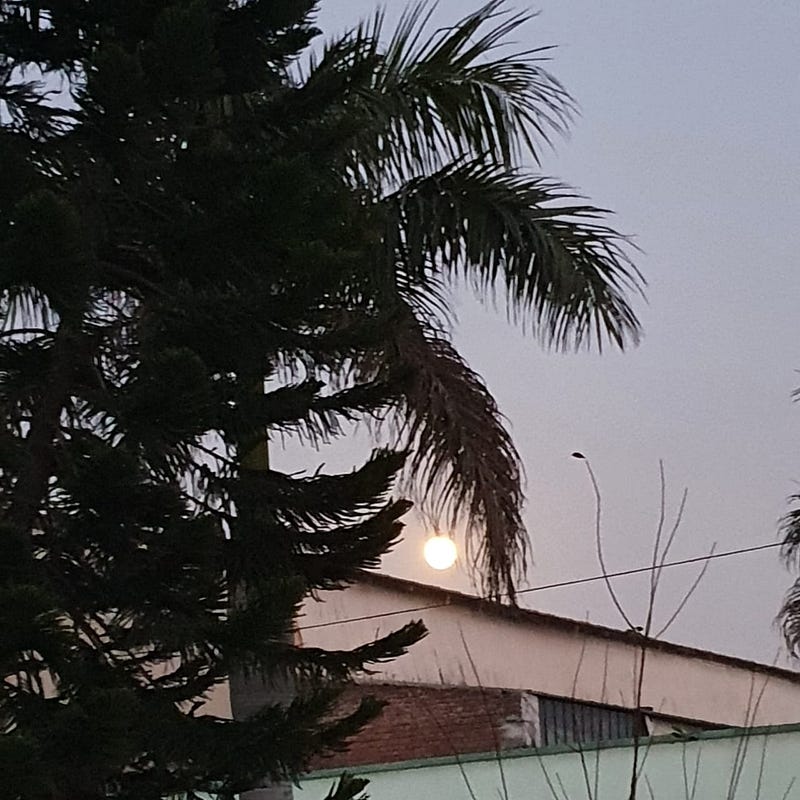
Let The Sun Shine Into The Darkest Corner And Find No Trace Of It
Summer Six Word Photo Story Challenge: “Shine!”
As the sun rises, beauty shines.
The Sun in the universe is the most admired and marvelous creation. He produces an infinite supply of energy, light, heat, and life force for all living things. He enables non-living things to keep their chemical composition.
Since the advent of human history, people have adored, implored, and personified the Sun as an existing god all over the globe. They perceived the Sun as the visible Almighty in form.
The sun is regarded as a god in Hindu theology. He is frequently shown to have golden hair and arms and to be sitting in a horse-drawn chariot. Either seven horses or one horse with seven heads pulls his chariot. They represent the rainbow’s colors. He is one of Hinduism’s five chief deities and the king of the nine planets. He is revered as the supreme personality of the divine presence and the Lord of the ‘Trinity of gods’ — Brahma, Vishnu, and Shiva. His manifestations were thought to be Brahma in the morning, Vishnu in the afternoon, and Shiva in the evening.
The Sumerians (who lived in the period of Sumer-the world’s oldest civilization in the historical region of southern Central Asia between 6000 and 5000BC.) worshiped the Sun as Utu, the god of justice. He is usually presented with a long beard and holding a saw, which signifies his role as a justice dispenser.
The Sun was worshiped as the god Ra in Ancient Egypt, depicted as a falcon-headed divinity encircled by the solar disc and ringed by a serpent.
The Romans used to pray to the Sun at dawn, catching the first rays of sunlight.
Greek astronomers classified the Sun as one of the seven planets. The practice of naming the days of the week after the seven planets date back to the Roman era.
The sun deity in ancient Greek religion was the male god Helios, who later became associated with Apollo.
The Incas of South America and the Ancient Mexicans also worshiped the Sun.
The “Sun of Righteousness” is mentioned in the Bible, which some Christians interpret as a reference to Christ.
The Shinto religion worships the Sun as the goddess Amaterasu, who is considered the forefather of all Japanese emperors.


