
Empathy in Virginia Woolf’s “Mrs. Dalloway”
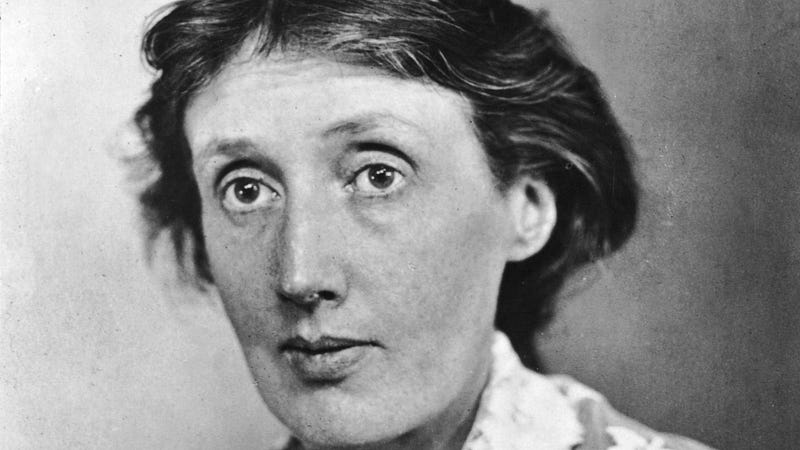
I got into an argument with other students in a seminar on Modernism about whether the ending of Virginia Woolf’s Mrs. Dalloway was optimistic or not. Being the wannabe-humanist that I am, I strongly defended it as positive and epiphanic. Eventually I was shut down by my professor, so I went home to craft this rant/essay elaborating my case.
An important preoccupation of Modernism is loneliness, and the difficulty, if not impossibility, of understanding others. This is the problem of empathy: is it possible to really know somebody, to communicate sincerely beyond their various personas and embodied societal roles?
I think it’s easy to say that isolation and alienation are unbreakable parts of a hopeless human condition, as Sally Seton does with the image of a prisoner scratching against a wall. However, I would argue that this reading ignores Modernism’s legacy of reimagining the role of artists. After all, why would Woolf even bother to write interior fiction, in which the “myriad impressions” of everyday life are represented, if she thought empathy was impossible?
The world Clarissa lives in is an unfeeling one. War turns people against each other, time passes indiscriminately, psychiatrists treat patients coldly, and gender and class roles devalue intimacy in favor of rigidity and social control.
Yet, Clarissa makes room, literally in the case of her party, to show others her gratefulness and to recognize suffering. As Peter notes at the end of the novel, Clarissa incorporates both the “terror” and the “ecstasy” of life into her expansive self. Some have argued that Clarissa is oblivious or insincere, a victim of her social circumstance, and therefore is just a representation of the isolated individual.
My reading sees Clarissa differently, that her habitual empathy and gift for “knowing people almost by instinct” is part of Woolf’s solution that a radical recognition of feelings can create a common humanity, even if that connection is limited to art.
When Clarissa admires a book display, her thoughts jump to Evelyn Whitbread. When she interacts with her maid Lucy, Clarissa is overflowing with gratitude and regret about her missing a play the previous night. Revealed in her memories of Peter and Sally, Clarissa greatly values friendship, and wishes to share the gift of friendship to “the whole world.” (174) She understands that everyone craves connection, and while to Peter gestures like the impersonal “How delightful to see you!” are superficial, it’s vital to Clarissa that people feel wanted and part of a community.
I think it’s crucial that Clarissa, the only person who recognized Septimus’ suicide as “an attempt to communicate,” (184) responds to his death with the imperative: “She must assemble.” (186) In that moment, Clarissa forms an imaginative, empathetic bond with Septimus, identifying with him mentally but also spiritually.
Yes, Clarissa is comfortable in the daily routine of a submissive housewife. However, she is completely individual in her concern for others. The ending of the novel, in which she’s recognized as Clarissa rather than Mrs. Dalloway, is significant for her decision to live on, which suggests that empathy and connection may be difficult but are values worth pursuing.
While it’s valid to read the ending as an indicator of Clarissa’s complacency, I believe Woolf does a lot of work to make the novel’s final words a moment of triumph, a realization of how Clarissa has affected other people’s lives. Sally, despite agreeing with Peter that “Clarissa was at heart a snob,” (190) confessed later on that she still considered Clarissa her best friend. Even the inconsiderate Richard Dalloway feels moved (although he chickens out) to show affection for Clarissa.
The irony is that while these characters learn to appreciate their singular relationships with Clarissa, she has turned outwards. Very unlike the prisoner scratching at the walls of his cell, Clarissa actively reaches out to the feelings of others, even to strangers. This may challenge our traditional notions of empathy, but only because Woolf is trying to express a form of friendship more deep and radical than those defined simply by memories of the past or institutions.
If you enjoyed my writing, please consider leaving a tip on Patreon: https://www.patreon.com/xichen


