
Lessons Learned From Hemorrhoids And Fissures
Here’s what I‘ve learned, from mental health to healing to management, during years of suffering with hemorrhoids and fissures

Inflamed hemorrhoids and anal fissures are challenges that none want to experience and few discuss openly. And yet, most people will experience inflamed hemorrhoids during their lifetime. About 5% of the US population is affected at any given time and about 50% of the population above fifty years old. Anal fissures, a related problem, occur in about 0.1% of the population. The two conditions are commonly misdiagnosed for one another, and the symptoms can be quite similar. This article will document some of the many lessons I have learned from my experiences with hemorrhoids and fissures in the hope that they may help others with chronic pain and these problems in particular.
Some Background
Hemorrhoids are blood vessels lining the interior and exterior of the anus. Everyone has them, but they become a problem when they become overstressed, inflamed, swollen, and/or prolapsed (meaning the interior vessels emerge on the outside). An anal fissure is a tear in the anal passage. Both hemorrhoids and fissures can present symptoms varying from mild nuisance (itchy, uncomfortable) to extreme pain and bleeding.
A Brief Personal History
I first experienced prolapsed hemorrhoids when I was 12 years old during a bout of diarrhea. They have been present to varying degrees ever since (I am now 25). It is hard to say when I experienced my first fissure, since I may have not noticed it while also experiencing hemorrhoids, but I think I can trace it to October of 2017 when my rectal pain became extreme. The invisible pain caused me to miss school and work and I began to wallow in misery, sometimes for days at a time.
Since then, I have learned a lot about how to manage these issues and I hope these lessons can be valuable for you as well. Some of these are lessons of healing and some are lessons of coping. I have tried many treatment and management options and have included the results of each below. Remember that the following is coming from my personal experience and different people, well, experience things differently.
So let’s get into it then. Here are the top lessons and tips I have learned from living with hemorrhoids and fissures. Please let me know if they are helpful to you and if not, share your unique experience to help others on their paths as well. Everyone will have different successes and failures when it comes to managing these pesky and often infuriating health challenges.
My Top Lessons
In no particular order:
Openness
Living with hemorrhoids and anal fissures is a dance between healing and tolerance. Both benefit from openness.
First, you must be open to yourself and the reality of your situation. If you have any hope of changing your patterns, in body or mind, you must be open to observing them. You must accept their existence. You must make an agreement with yourself that the parts of you which are in conflict with one another are on the same team.

Once you are open with yourself, it is helpful to be open with those close to you about your situation. Hemorrhoids and fissures are unique amongst physical ailments in that they are invisible. It is hard to believe the extreme pain they can cause while not being able to tell from the outside that anything is wrong. At the same time, they are ailments with which many people are familiar, and most people at least have someone close to them who has experienced problems related to them. As such, the average person will be understanding of the situation, and more often than not, may be able to share advice from their own experience as well.
Anatomy
Hemorrhoids are blood vessels around the anus. They are designed to swell with blood to protect your anus during bowel movements. When they become overworked, stressed, etc, they can become more permanently swollen, and that is when they become a problem. Prolapsed hemorrhoids are hemorrhoids which are normally on the interior of the anus (there is another set on the exterior) that lapse outside of the anus due to being over engorged. Hemorrhoids can bleed when they become over engorged and stretch the skin too thin.
For me, hemorrhoids generally present symptoms including itching, leaking mucous, and a feeling of tightness at the hemorrhoid itself. During prolapse, the uncomfortable tightness can progress to extreme levels. My largest prolapsed hemorrhoid is about three centimeters across at its most inflamed.
The goals of hemorrhoid treatment are management, draining the hemorrhoids, and healing the trauma they’ve caused in the area.
Fissures are tears in the tissue lining the anus. The goal of fissure treatment is to heal the injured tissue and prevent re-injury. Both of these goals are limited by generally poor bloodflow to the area. Swollen hemorrhoids make this already limited bloodflow even worse.
I can differentiate the symptoms between fissures and hemorrhoids by feeling the hemorrhoids with my finger and by noticing the type of pain I am experiencing. Fissures tend to present acute, burning pain, like being cut in the anus with a hot or caustic blade. Pain from fissures can also appear or disappear more suddenly than hemorrhoids. Hemorrhoids, on the other hand, present a more widely dispersed, throbbing pain and are more of a chronic issue.
A final note on anatomy is the link between the anus and the rest of the digestive system. I have struggled with a variety of persistent gastrointestinal issues throughout my life which have resulted in irregular bowel movements and other side effects. Hemorrhoids and fissures are thus part of this greater system, codependent with the rest of my body and in particular, the digestive system.
Mind-Body Connection
Learning about how my mental state and emotions are embodied in different areas of my body has had a tremendous impact on my ability to manage my hemorrhoids and fissures.
Among the first emotions that arose in me during my experience with hemorrhoids and fissures was anger. I have been angry at the hemorrhoids, fissures, and my digestion. I didn’t realize that the pain they were causing me was in fact a cry for help. In order to progress toward healing, I first had to realize that these parts of my body and I are on the same team. It seems obvious, but for many years I tended to externalize my physical traumas, viewing them as a problem to be solved (or ignored), rather than a partner in the dynamic system that is me. In order to achieve a partnership, I had to forgive my anus and my hemorrhoids for the pain they have wrought.
Next in the partnership comes willingness to understand what I can do to relieve some of psychological causes of the hemorrhoids and fissures. The most important psychological factor is stress. High stress causes inflammation and clenching throughout the body and commonly manifests as teeth grinding, clenching of hands/feet, and clenching of sphincters like the anus. Stress can also manifest as overexerting yourself while attempting to pass a bowel movement. In these cases, clenching the anus restricts bloodflow to the area, making healing impossible. Over time, I have learned more control over the muscles around the anus, and it is easier to release them when they are clenched. Noticing and unclenching these muscles is now a constant practice.
Fiber
“Take more fiber” is the most common advice everyone shares. In many cases, this was the only advice a doctor gave me. This advice is based on a misunderstanding of the connection between digestion and hemorrhoids. With my chronic gastrointestinal issues, just taking fiber is simply not a fix-all for my bowel movements. As my diet has been primarily plant-based for years, I have no doubt that I am consuming far more fiber through food than the average person is said to need. Finally, the hemorrhoids and fissures are such a chronic issue by now that the result of a few days worth of bowel movements simply isn’t going to change very much down there.
Having said that, I have found increasing my fiber intake useful at times. For a year or so, I was taking 10–25 grams of fiber (as whole psyllium husks mixed in water) every day. It is useful when my bowel movements have become too dense and difficult to pass for an extended period. Sometimes this is due to diet (high gluten, no vegetables, etc), but sometimes it happens to me seemingly without cause. I have simply not figured out how my digestion works best.
As a final note on fiber, I think that incorporating it into food is the best way to go. Psyllium husks are flavorless and can be an additive to anything from baked goods to popcorn to smoothies.
Hydration
Drinking lots of liquids is helpful in producing consistent bowel movements. It also is important for improving blood circulation. Both of these things are important to healing hemorrhoids and fissures.
Pushing Them Back In
OK, this is definitely one of the easiest and most effective management techniques out there yet it took me years to discover and was never mentioned to me by any of the many doctors I saw. In fact, my discovery of this technique is in large part what inspired me to write this list of tips, with the belief that by sharing my story and lessons, others may shortcut the process and learn from me. Anyway, this is exactly what it sounds like. It is helpful to use a salve, or at least an oil, to aid in the process, and of course, wash your hands extremely well after and use gloves if possible.
Magnesium + Sitz Baths
Sitz baths are the second most common suggestion I have received from doctors about hemorrhoids. A sitz bath is submerging your anus in warm water, preferably with magnesium sulfate (epsom salt). The idea behind sitz baths is to relax the anus, and (you guessed it) improve bloodflow. The warm water and the epsom salts relax the muscles to help reduce clenching and promote circulation. This is also why epsom salt baths are recommended for other types of injuries.
While I do take epsom salt baths regularly and they can help reduce symptoms slightly, a daily epsom salt bath is insufficient for addressing the chronic and severe nature of my hemorrhoid problems.
As an additional measure, I have tried taking a daily magnesium supplement as well. This is intended to be a muscle relaxant as well. Over time, I believe that taking magnesium supplements has greatly improved my life with hemorrhoids and fissures.
Alcohol & Coffee
Alcohol and coffee are really never good for you because they are inflammatory. I tend to be a moderate drinker and I have definitely noticed a link between how much alcohol I consume and the severity of my hemorrhoids. For a long time I wasn’t sure because the effect builds over time. Skipping a couple of nights of drinking won’t make a big difference. But quitting altogether for a month or more has definitely taken my hemorrhoids and fissures from an intolerable level back to something I can manage.
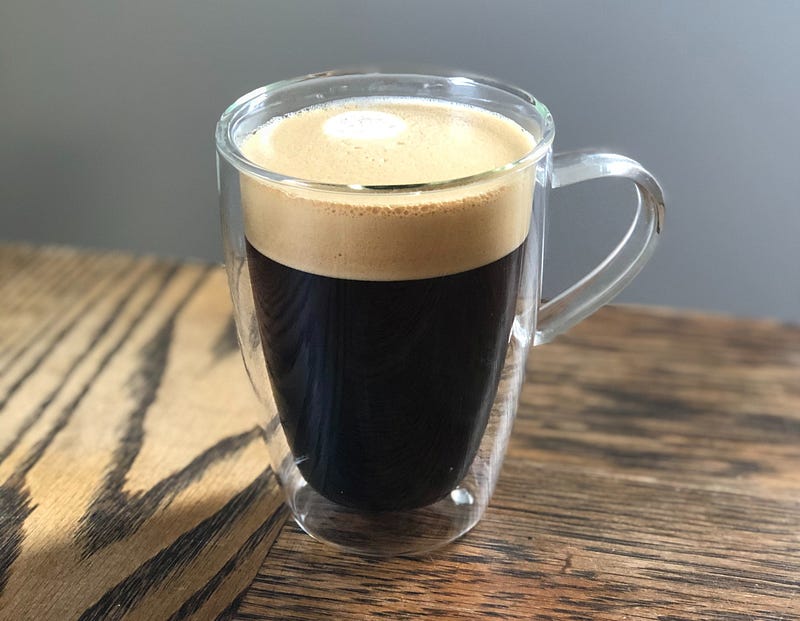
I haven’t experimented with cutting coffee in this drastic way, and I am not one to sustain abstinence from anything, so I have created a system of simply limiting the alcohol and coffee I drink on a daily basis. I now consume a maximum of three alcoholic drinks and two cups of coffee. If I stay within these bounds, the hemorrhoids and fissures (not to mention a host of other physical issues) stay mostly tolerable.
Reiki
Reiki is an energy healing modality that involves the use of the hands to facilitate the flow of energy throughout the body. I was first exposed to reiki as a child. My mother used to practice reiki with friends in our dining room growing up in Denver. However, I did not have firsthand experience with the healing power of reiki until my adult life.
I first received reiki from a friend in 2014 and was initially deeply skeptical of it as a modality not based in Western science. However, this skepticism quickly washed away when I experienced the benefits firsthand. My partner now treats me with reiki on a regular basis, and the immediate and long-term effects are quite profound. The primary benefit I gain from reiki is releasing mental tension held in my body. Learning to relax the anus has been essential to reducing symptoms from hemorrhoids and fissures.
Mushy Food
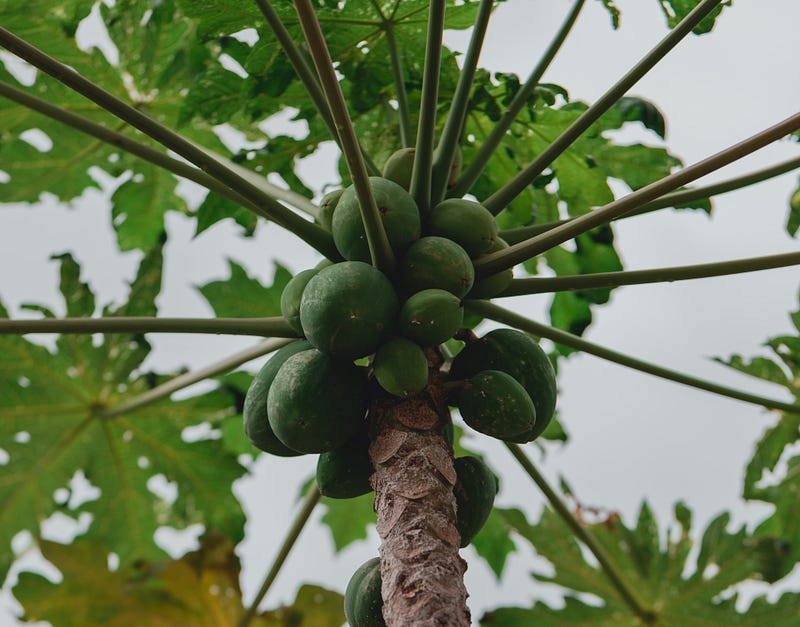
I have never diligently tracked my food consumption in a serious effort to understand how my symptoms correlate with my nutrition. However, what I can say is that easy-to-digest food certainly makes bowel movements easier. In particular, living in Florida now I have access to an infinite supply of green papaya, which, when cooked like a vegetable, works wonders for the digestion.
Hemorrhoid Banding
Hemorrhoid banding is the placement of tiny rubber bands around the hemorrhoids. This cuts off blood flow and the hemorrhoid slowly dies and falls off.
Banding is one of the most common procedures in the treatment of hemorrhoids. I had hemorrhoid banding performed in the summer of 2017. The doctor informed me that I had 4 or 5 enlarged hemorrhoids which would be suitable for banding but that they will only treat 2 at a time in order to reduce discomfort, so I had the banding done on 2 of them.
I think the banding treatment was successful, although it is difficult to say because I never returned to band the remaining hemorrhoids so some pain persists. I know that hemorrhoids can return after banding, especially in young people.
The reason I never returned to get another set of banding is that, contrary to what the doctor told me, the procedure was immensely painful and debilitating. I have broken 7 bones and had 6 or 7 surgeries and can confidently say the hemorrhoid banding procedure was by far the worst pain I have ever experienced. There was no anesthetic, not even local anesthesia. The tremendous pain and difficult recovery are what prevented me from returning for further banding, even though I do think the end result was a success in removing the hemorrhoids. I was barely able to leave bed for a week afterward, and without even being given a prescription for painkillers, persisted only with continual high doses of a potent cannabis tincture.
Doctors
Without going on a long tirade about my experiences with doctors throughout my life, suffice to say that doctors are mostly clueless about the difficulties hemorrhoid and fissure patients experience. I have received little sympathy from doctors and 90% of the advice they have given me has been “take more fiber and drink water,” which is hardly sufficient to deal with such a severe case which is interlocked with other issues like indigestion, depression and stress.
Prescriptions
I have received several prescriptions for topicals to treat my hemorrhoids and fissures. They are generally either steroids or muscle relaxants designed to increase blood flow to the area. I have used them consistently for weeks and unfortunately am unable to report any success from their use.
Hygiene
Aside from the pain, the worst part of living with hemorrhoids and fissures is that blood and mucous leak from my anus, soiling my clothes and surfaces upon which I sit. To mitigate this, I generally wash in the bathtub after each bowel movement, and often, one or two hours later as well. Sadly, cleaning after a bowel movement is not sufficient as mucous and blood will continue to drain for an hour or more after. I generally bring extra underwear with me while traveling and often wear multiple pairs to compensate.
Routine
The pain I experience is generally worst 30–90 minutes after a bowel movement. It is always improved by taking that time to relax as much as possible. Thus I make it a routine to lay in bed immediately after my daily bowel movement so I can let the area relax before I return to sitting at my desk for work. I try to stay in this routine even when I am not difficult symptoms because symptoms often flare otherwise.
Exercise
Exercise is beneficial for many reasons. Primarily, it helps me build body awareness so I can more easily identify and relieve tension. Exercise also helps improve blood flow.
Topicals
Aside from prescriptions, I have tried many topicals to help relieve my symptoms. Common topicals include aloe, witch hazel, and turmeric. The most beneficial topicals I have used are cannabis salves, with or without THC. I have found that full-spectrum cannabis salves made from the entire plant in a base of coconut oil works best for me. The primary benefits of the cannabis salve are reduced swelling, increased lubrication, and pain relief.
Well, there you have it
I figure I have to end this article somewhere. While I could keep talking about what I have learned from these challenges ad nauseum, this definitely covers my most important lessons. If any of these tips help you, please let me know.


