
Lessons I’ve Learned From Southern Italy
Conserving utilities, patience, and eating better
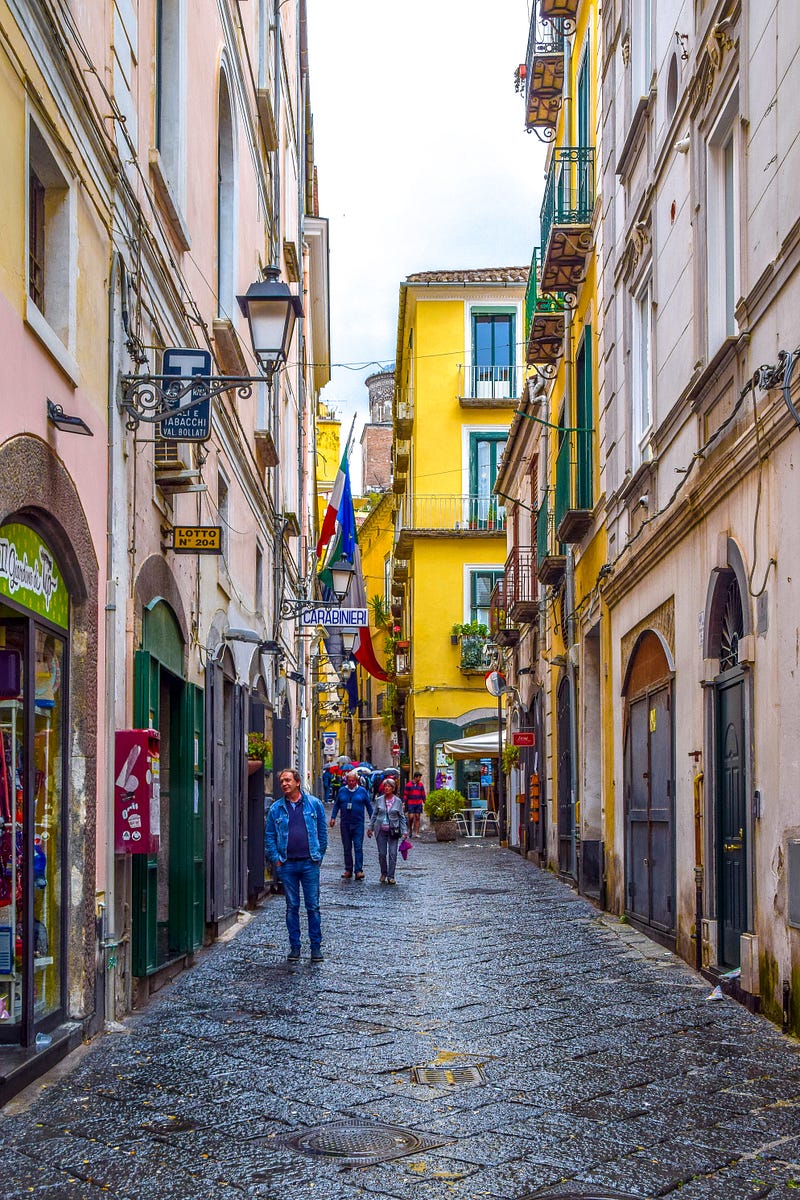
Over the past seven years, I’ve lived in Southern Italy for at least three months a year. In the past two years, my partner and I have lived in Italy full-time, most of it in the south.
Between November of 2019 and November of 2021, we hadn’t actually been back to the States. When we finally were able to go back without fear of being denied re-entry to Italy, we realized there were so many little tricks we learned along the way.
Not Heating The House
My first experience in southern Italy came in the spring, when I flew over from China to visit my mom, who happened to be renting an apartment in a small town.
Coming from the Southeast in America to this small, damp town located in the foothills of the Cilento, my mom had her radiators on full blast.
During one particularly chilly afternoon, we were offered a coffee from a neighbor up the road. When we arrived at her house, we found the entire family in the kitchen, huddled around a TV, fire merrily dancing in the fireplace. The neighbor explained that in the winter, families will retreat to one room, usually the one with a fireplace or wood pellet stove. Gas, the main source of heat, is expensive, and it’s easier just to heat one room than an entire house.
My mom found out just how expensive gas was when she received her heating bill that spring for over €400. (Gas has since triple or quadrupled in price due to the Russia-Ukraine conflict and many families, especially in the south, can’t afford to pay thousands a month in heating bills. Wood pellets and wood logs have also increased in price, forcing families to be more conservative than ever with their heating usage.)
Since then, it’s a lesson we’ve had to learn a hundred times over. Only heat the room you use. (My partner and I have started using bed warmers/electric blankets which have been a total game changer vis-á-vis not freezing at night.)
No More Dryers
As an unsuspecting American, I didn’t realize how rare dryers are in Italy (and most of Europe, as I later discovered) until I came here. Part of this is due to the utility cost, and partly do to, well, the Sun being free.
Back in the States, I was in a habit of doing my laundry at night. Washer after dinner, chucking it into the dryer before bed so my clothes would [hopefully] be dry when I woke up.
In Italy, it’s common to dry your clothes outside on lines or on a drying rack that you can drag onto your balcony or in front of the fire place. Even in the dead of winter, you’ll still see people hanging laundry out to dry.
On one hand, I’ve found it slightly aggravating. Laundry now requires effort and foresight. No more last-minute loads before work, I have to plan for sunny days.
More than that, some apartments we’ve rented don’t come with a washer, or washer hookups. Instead there’s a large sink with a washboard.
When we are back in the States, I’ve found that I now look for ways to dry my clothes without a dryer.
Patience
Perhaps the most aggravating lesson to learn is one of patience. When I first arrived to southern Italy, there always seemed like errands that needed to be done. I needed a SIM card, I needed to get a pre-paid card from the bank that’s run by the post office, I needed some furniture (because Italians don’t trust tenants with their “good furniture”) and kitchenware (for the same reason).
For the first few weeks, it seemed like the will of the cosmos was that I would be able to get nothing done. Everyone would say domani meaning “tomorrow” like it was some kind of prayer. The fruit and vegetable seller was out of garlic, and he would get some domani but when I went back the next day, the answer was the same.
The man at the phone provider couldn’t get the SIM card to work in my phone, and he asked me to come back domani as if it was simply the fact I came on a Thursday that prevented technology from working. (I ended up taking a bus to a city where they were thankfully able to activate the SIM card without much of an issue.)
And then I realized everywhere closes between 1 and 4 in the afternoon. Towns and cities grind to a halt. Shutters close, piazzas empty out, and it’s often silent.
And slowly, after 4, things begin to open up again. The piazza refills.
And the entire time I’m waiting outside of the post office, unaware that they close for good at 1 every day.
Eating the Same Thing
While Italy is often associated with a plethora of fresh fruits and vegetables, markets bursting with color and flavor, the winter isn’t like that.
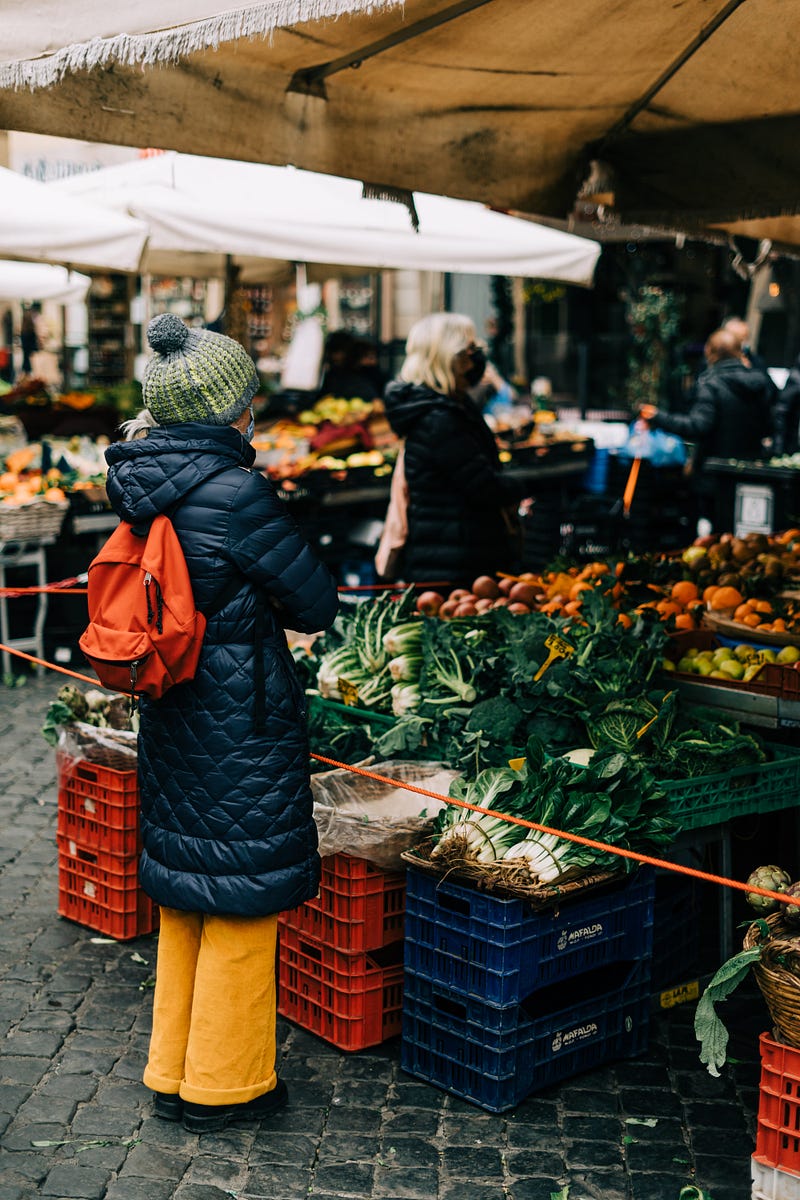
In the winter, especially in the south, it’s a bit of a running joke that the only thing to eat is broccoli [rabe]. (Pictured below.)
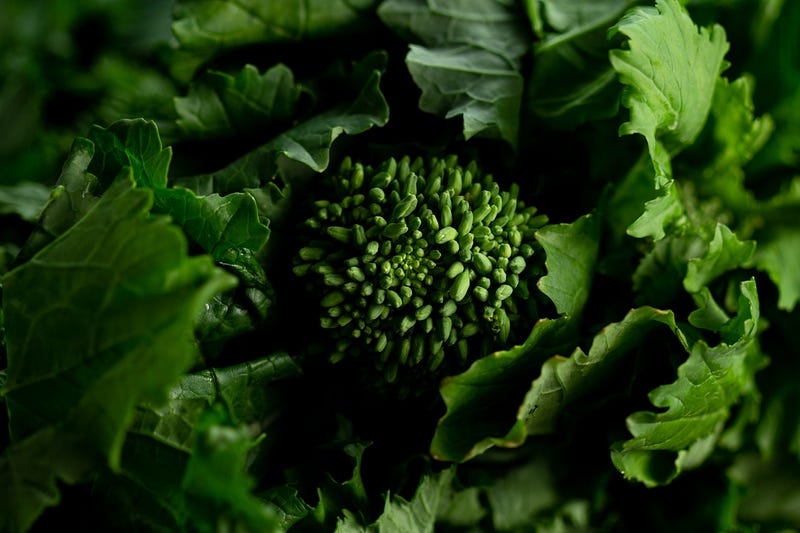
In southern Italy, at least, that is what people mean when they refer to broccoli. The type of broccoli Americans are used to is usually referred to as broccoli Americani.
Between November and April, it’s pretty much the only vegetable vendors will sell, apart from the occasional cabbage and winter squash.
During my first year, I found it rough. I was so used to eat different things every night, even in the winter, that I had forgotten there were seasons. Going out to eat and having avocado and tomatoes on my meal in the middle of winter didn’t register as strange.
But small towns in southern Italy will only eat what they can grow, and avocados and tomatoes don’t grow in the winter (apart from the greenhouses up and down the coast near Battipaglia).
On one hand, it’s helped me reconnect with food. Reminding me that it’s insane how people have to transport the food for hundreds, if not thousands, of miles if I want something out of season.
On the other hand, it’s shown me that it’s not all bad to have the same meal every night. It takes the stress out of cooking. It provides a semblance of consistency, something we don’t normally get as digital nomads.
Nathaniel Mellor lives in southern Italy with his partner. More of his writing can be found on Only A Bag.