avatarChristopher P Jones

Free AI web copilot to create summaries, insights and extended knowledge, download it at here

2271

Abstract

ab">Experimental Instincts</h1><figure id="c106"><img src="https://cdn-images-1.readmedium.com/v2/resize:fit:800/1*rN7jr0LxmHxLVixI42UhLA.jpeg"><figcaption>Detail of ‘Untitled (Hand-Shell)’ (1934) by Dora Maar. Photograph: © ADAGP, Paris and DACS, London 2019. Taken from the Dora Maar exhibition at Tate Modern, London 2019.</figcaption></figure><p id="67de">Where Maar’s creativity really took flight was in the Surrealist techniques of photomontage that she began to experiment with during the mid-1930s. The results were unpredictable and captivating.</p><p id="3693">Loaded with sub-conscious possibilities, the intention of these suggestive images was to weaken the hold of rational expectation upon the viewer.</p><p id="29a4">The often-quoted 19th century poet Comte de Lautréamont was a beacon: “Beautiful as the accidental meeting of a sewing machine with an umbrella on an operating table.”</p><figure id="0d47"><img src="https://cdn-images-1.readmedium.com/v2/resize:fit:800/1*nty-TWCebOqHMycRCuwX6A.jpeg"><figcaption>Untitled (1935) by Dora Maar. Photograph: © ADAGP, Paris and DACS, London 2019. Taken from the Dora Maar exhibition at Tate Modern, London 2019.</figcaption></figure><p id="7c3e">Fortunately for Maar, the experiments paid off.</p><p id="6fe6">She was soon showing her work in Dada and Surrealist exhibitions, and was developing a critical reputation.</p><p id="ce76">The diversity of her work from this time is extraordinary: swimmers and athletes, dancers and nudes, surreal portraits, distorted and psychedelic stairwells, hands emerging from snail shells, experiments with chiaroscuro lighting and clever shadow-play that are full of unpredictable effects.</p><h1 id="85d9">Meeting Picasso and Turning to Painting</h1><p id="85c9">But Dora Maar wasn’t anywhere near finished. In 1935 she fell in love with Pablo Picasso after meeting him on the set of a Jean Renoir film where she was taking promotional shots.</p><p id="a6f3">In the months that followed, she took documentary photos of Picasso as he worked on his painting <i>Guernica</i>, his monumental response to the atrocities of the Spanish Civil War. At this time, Maar returned to her first love of painting, perhaps under Picasso’s encouragement (Picasso considered photography

Options

an inferior medium, insisting that “inside every photographer is a painter trying to get out.”) With fresh vigour, she made bold and unorthodox canvases that drew on the modernist grammar of Cubism.</p><p id="f33d">From 1945, Maar divided her time between Paris and a new home in Ménerbes in the South of France. The previous few years had been difficult: life under Nazi-occupied Paris during the war — especially given Maar’s Jewish roots — along with a protracted breakup with Picasso, her father’s move to the safety of Buenos Aires and the sudden deaths of her mother and her best friend Nusch Eluard. All these events are more than enough to throw an artist out of step.</p><p id="948d">Yet Maar’s creative energies still bore fruit. In the years that followed, despite adopting a more reclusive lifestyle, she continued to make art, producing emotionally expressive landscape paintings that teeter on the abstract.</p><p id="d7aa">She also returned to the dark room to make experimental photograms — the process of laying objects directly onto light sensitive paper, which were radical and challenging on their own terms.</p><p id="74f8">Dora Maar’s life was one of restless creativity in which she constantly tested herself with new and experimental work. She died in 1997, aged 89 years. Much of her huge output of photography, painting and poetry was only discovered after her death but has left a lasting legacy.</p><figure id="206a"><img src="https://cdn-images-1.readmedium.com/v2/resize:fit:800/1*igQbKCOI4qGLg6JzYP7H9w.png"><figcaption></figcaption></figure><p id="4a0d">If you liked this, you may also be interested in my book <a href="https://www.chrisjoneswrites.co.uk/masterpieces-of-art-explained/"><b><i>Masterpieces of Art Explained</i></b></a><i>, </i>an examination of some of art’s most enthralling images.</p><h1 id="22ba">Would you like to get…</h1><p id="ebc0">A free guide to the <i>Essential Styles in Western Art History</i>, plus updates and exclusive news about me and my writing? <a href="https://www.chrisjoneswrites.co.uk/sign-up-art/">Download for free here</a>.</p><h1 id="b5b7">Join me…</h1><p id="344c">On <a href="https://www.instagram.com/greatpaintingsexplained/">Instagram</a> for great paintings on the go!</p></article></body>

Why this Artist is a Model for Creative Accomplishment

A female pioneer of surrealist photography
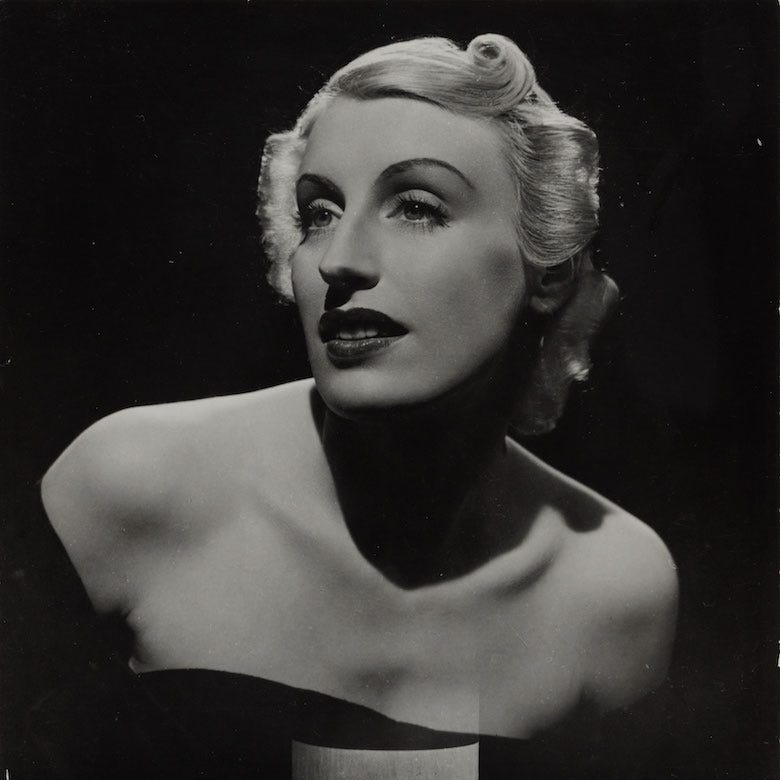
Detail of ‘Untitled (Harvard)’ (1935) by Dora Maar. Photograph: © ADAGP, Paris and DACS, London 2019. Taken from the Dora Maar exhibition at Tate Modern, London 2019

The story of Dora Maar — French photographer, painter and poet — is a lesson in perpetual creativity.

For a long time, Maar has been known as the muse for Picasso’s painting Weeping Woman. But as a female photographer working in a field dominated by men, she not only broke boundaries for “modern women”, she also made innovative and pioneering art.

Born in Paris 1907 to a French mother and a Croatian father, Maar’s earliest wish was to become a painter. It was a pursuit she would return to later in life, but when it came to a career, she chose to pursue photography instead.

This was an age when photography was coming into its own.

Fashion and beauty magazines required new photographers to fill their pages. Maar’s images began appearing in print, from clothing magazines to cosmetic advertisements.

By the time she was 25, having mastered the technical side of the medium, Maar had established a career in commercial photography. During the 1930s she opened her own studio in Paris with art director Pierre Kéfer. She also shared a darkroom with the influential Hungarian-French photographer Brassaï.

At the same time as her early assignments for fashion magazines, she stole away from the studio and took shots in the streets of Paris and London, capturing the faces of the urban poor and bourgeois middle-class alike.

Not only did Maar excel by the opportunity of becoming a photographer, she also pushed the boundaries of her chosen art form, exercising her insatiable creativity in a context where she had already established herself professionally. Where most people would be content to stay on the familiar path, she also continued to move beyond it.

Experimental Instincts
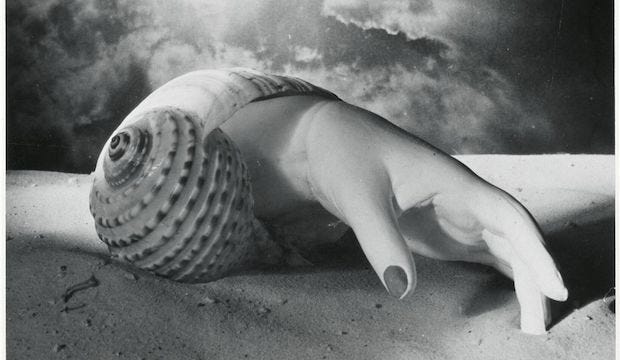
Detail of ‘Untitled (Hand-Shell)’ (1934) by Dora Maar. Photograph: © ADAGP, Paris and DACS, London 2019. Taken from the Dora Maar exhibition at Tate Modern, London 2019.

Where Maar’s creativity really took flight was in the Surrealist techniques of photomontage that she began to experiment with during the mid-1930s. The results were unpredictable and captivating.

Loaded with sub-conscious possibilities, the intention of these suggestive images was to weaken the hold of rational expectation upon the viewer.

The often-quoted 19th century poet Comte de Lautréamont was a beacon: “Beautiful as the accidental meeting of a sewing machine with an umbrella on an operating table.”
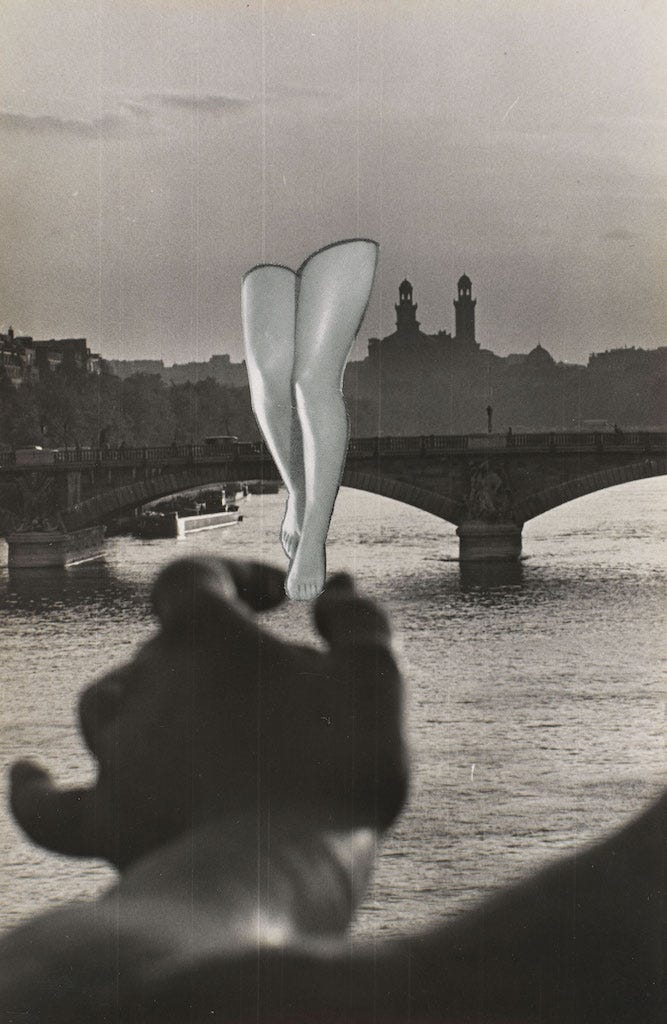
Untitled (1935) by Dora Maar. Photograph: © ADAGP, Paris and DACS, London 2019. Taken from the Dora Maar exhibition at Tate Modern, London 2019.

Fortunately for Maar, the experiments paid off.

She was soon showing her work in Dada and Surrealist exhibitions, and was developing a critical reputation.

The diversity of her work from this time is extraordinary: swimmers and athletes, dancers and nudes, surreal portraits, distorted and psychedelic stairwells, hands emerging from snail shells, experiments with chiaroscuro lighting and clever shadow-play that are full of unpredictable effects.

Meeting Picasso and Turning to Painting

But Dora Maar wasn’t anywhere near finished. In 1935 she fell in love with Pablo Picasso after meeting him on the set of a Jean Renoir film where she was taking promotional shots.

In the months that followed, she took documentary photos of Picasso as he worked on his painting Guernica, his monumental response to the atrocities of the Spanish Civil War. At this time, Maar returned to her first love of painting, perhaps under Picasso’s encouragement (Picasso considered photography an inferior medium, insisting that “inside every photographer is a painter trying to get out.”) With fresh vigour, she made bold and unorthodox canvases that drew on the modernist grammar of Cubism.

From 1945, Maar divided her time between Paris and a new home in Ménerbes in the South of France. The previous few years had been difficult: life under Nazi-occupied Paris during the war — especially given Maar’s Jewish roots — along with a protracted breakup with Picasso, her father’s move to the safety of Buenos Aires and the sudden deaths of her mother and her best friend Nusch Eluard. All these events are more than enough to throw an artist out of step.

Yet Maar’s creative energies still bore fruit. In the years that followed, despite adopting a more reclusive lifestyle, she continued to make art, producing emotionally expressive landscape paintings that teeter on the abstract.

She also returned to the dark room to make experimental photograms — the process of laying objects directly onto light sensitive paper, which were radical and challenging on their own terms.

Dora Maar’s life was one of restless creativity in which she constantly tested herself with new and experimental work. She died in 1997, aged 89 years. Much of her huge output of photography, painting and poetry was only discovered after her death but has left a lasting legacy.

If you liked this, you may also be interested in my book Masterpieces of Art Explained, an examination of some of art’s most enthralling images.

Would you like to get…

A free guide to the Essential Styles in Western Art History, plus updates and exclusive news about me and my writing? Download for free here.

Join me…

On Instagram for great paintings on the go!

Photography
Art
History
Creativity
Inspiration
Recommended from ReadMedium