
Lessons From the Vault of Obscure Mac Games: What Pillars of Garendall Can Teach Us About Starting Over
It’s an RPG over 20 years old that’s still enjoyable to play though it’s not an earth-shattering feat of narrative design. Rather, it’s the story behind what happened after the game was released that gave me a wake-up call as an indie developer.
I was going to publish this on Gamasutra, now Game Developer Magazine, when it had been a minute since I last published there. But their blogging platform is completely broken at the time of posting and hasn’t even been fixed since they changed domains. So it looks like Medium is getting this piece that was strictly meant for industry people to talk shop. Hey, even if you’re not in games, maybe you’ll learn something from this.
Without further ado, I was compelled to pen this in an era where we, the indie devs, are constantly overwhelmed and freaking out over the messy state of distribution and game pricing. The conversations don’t stop on social media, in the games press, at small local dev meet-ups and large international conferences. On Discord groups, Twitter threads, LinkedIn posts, Steam pages, and our phones have become permanent appendages. It’s in gamers nickel and diming over how much we charge while blithely paying $20 for a finite media experience like a movie ticket, as distributors wall off discoverability in favor of focusing on what they know sells.
Or…given that you can have some totally random thing like Wordle that takes the world by storm when it wasn’t even intended for wide distribution while games like Among Us explode years after release, then it’s developers fighting among each other over whose work is more deserving and “do you think Hideo Kojima knows or gives a shit about things like ludonarrative dissonance, stop watching video essays on game design and just crank something out in Unity already”.
OH GOD THE NOISE IN OUR BRAINS IS NEVER-ENDING AND THIS IS HELL IF YOU HAVE ADHD
Alright, I had to get that out.
In doing some research for a retro gaming-centric project, I had one of those moments that was akin to falling asleep at the wheel on the Cross Bronx because your exit is perpetually blocked then traffic finally starts moving and nothing else quite wakes you up like rear-ending a Mack truck.
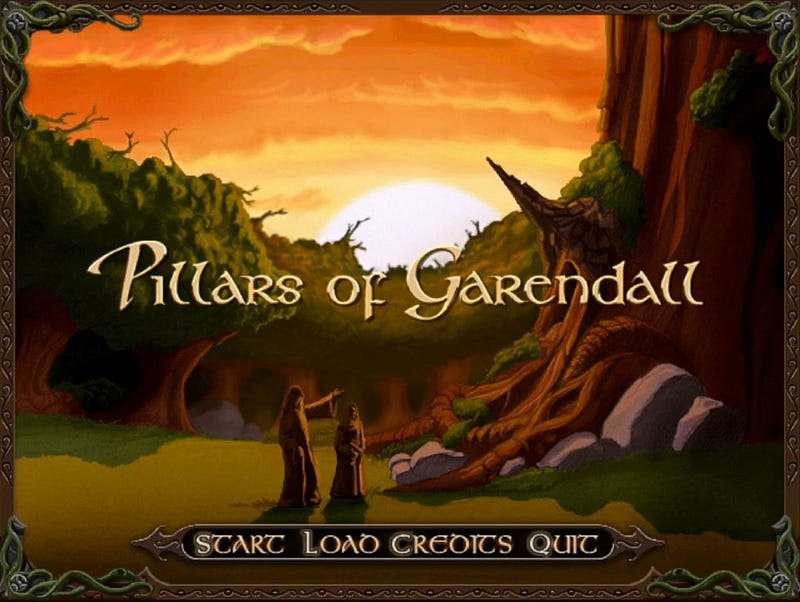
As the title implies, it was spurred by the rediscovery of a game called Pillars of Garendall. (POG for brevity’s sake the rest of the article.)
I’m going to be shocked if you actually know about this game because it was released in an era when Mac games were still a tiny niche and Apple products were definitely not considered the default. But I played it nonstop in my last two years of high school. As explained quite a while ago, games rarely received Mac ports which led to a boom in Mac-only shareware and small publishers focusing on Macs of the 1990s. It was essentially one of the first major waves of independent game making and publishing that is highly underdiscussed.
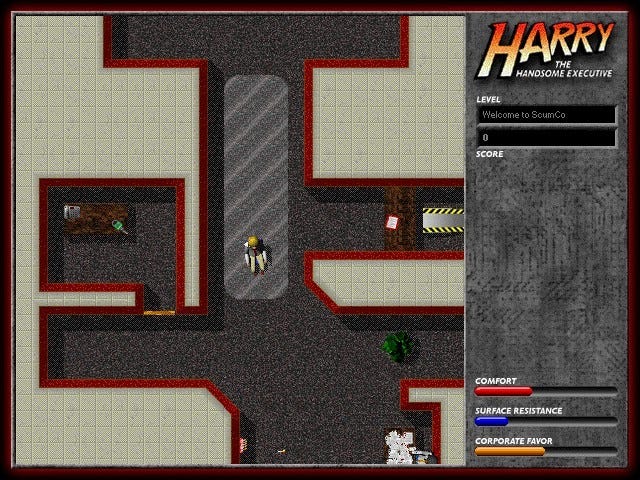
POG was an RPG developed by Quebec-based Beenox and published by Rochester, New York based Ambrosia Software. Which if you’re unfamiliar with Ambrosia, they were the gods of Mac gaming in the mid-late 1990s. They published their own games and those of solo creators like the epic RPG Cythera which probably could’ve been the next Ultima had it been released a little earlier, arcade games like Aperion, and satirical action-adventure games such as Harry the Handsome Executive where you navigate a colossal maze of a corporate headquarters in a swivel chair and use staple guns as weapons.
Given that POG was released when the millennium turned, it was when the games industry and tech itself was going through its awkward teenage years.
It was a time when many eras were ending or just beginning, and unsuspecting Mac users who loved RPGs were about to find out that this wasn’t just Ambrosia’s swansong. POG was the swansong for the entire institution of Mac gaming.
But when you could still smell the fresh paint on this Titanic, Ambrosia had kicked off an exciting new joint project with Beenox: the actual engine the game was built in.
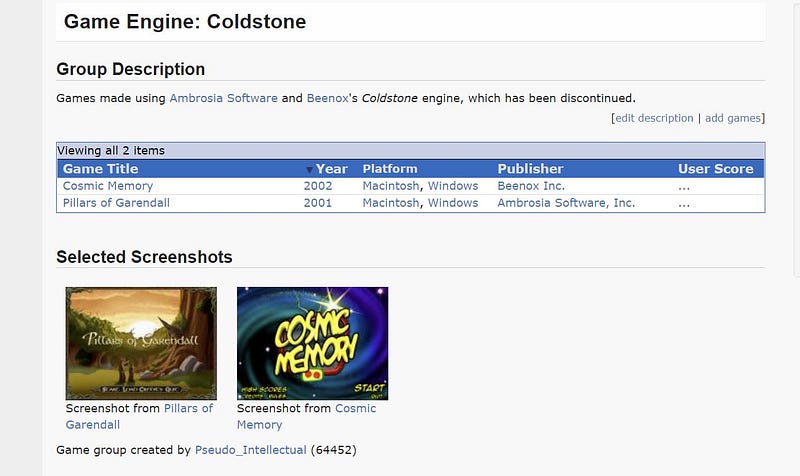
POG utilized 2D and 3D elements, making it fairly ahead of its time before this would become a common practice with indie games come the 2010s with the advent of accessible tools like the Unity Asset Store and Blender. POG was developed in the proprietary Coldstone game engine which was released on the same CDs as full versions of the game, as a sort of gift with purchase.
Long before we had niche engines like Adventure Game Studio, Ren’Py, and RPG Maker then more universal engines like Unity and Unreal, the pioneers of shareware grew their numbers in Mac territory with HyperCard and WorldBuilder.
HyperCard came with Macs for free on all machines sold between 1987–2004 and this undoubtedly resulted in a wellspring of professional and hobbyist developers just making something, putting it out there in Ziplocks full of floppy disks the way punk rockers Xeroxed zines and made our own patches and cassettes, and seeing if it took off. This was followed up by professional commercial releases developed in HyperCard, most notably Cyan and Brøderbund works of the early 1990s like The Manhole and Myst.
Ray’s Maze was one of the largest and most original humor adventure games made in WorldBuilder and still oozes retro charm. If you recall those MacAddict compilations from the late 90s, you’ll also remember other games made in WorldBuilder like Grey Tower and Muddy Water.
But technology was evolving, graphics and sound cards became more robust, and what we now see as bucolic retro pastiche was just seen as something quickly becoming primitive as we hurtled towards 3D graphics becoming the norm. So if you wanted to see more intense, top-down RPGs for the Mac like Spiderweb’s Avernum series and Fantasoft’s Realmz that looked and felt more modern without that homegrown shareware feeling we’d later come to love? Ambrosia pushed the idea that Coldstone could absolutely make that dream come true as it was a far more robust engine capable of making a satisfying and well-balanced RPG with cutting-edge graphics, music, and sound design.
And just like how HyperCard came with the actual computer, here’s your free copy of this incredible game engine now that you’ve been inspired by this awesome game.
Except…you can probably surmise that’s not what happened since if you made it this far into the article, chances are this is the first time you’ve heard a Coldstone reference that wasn’t talking about the ice cream place.
It was as hyped up to Mac gamers as the 3DO system was to console gamers, except the 3DO at least had a decent library of games before they went from $700 a pop to fire sales at junk stores nationwide. (My family got ours at Odd Job for $20!)
Coldstone heralded one other release. That’s it.
But the deck chairs haven’t been rearranged on the Titanic just yet.
So I got into the game engine, let’s talk about the actual game: POG was absolutely satisfying to play, and well-balanced. The map and tunnel systems made it all the more enjoyable because you could see where you were going, speed around the game, and take on lots of quests exploring at your own pace.
It’s got the same overused medieval setting where your town’s under siege by monsters and you’re the hero who has to save the day. You hack and slash, find treasure, find and buy armor, weapons, and potions. It doesn’t have an overarching story that knocks you on your ass, and even if you chose a mean response to some townspeople’s questions, the dialog trees had very short branches that looped. POG is just a fun RPG that was a great way to spend an afternoon after school, or if I didn’t have weekend plans. A little less than a year after it came out, Ambrosia released a DLC called Trinity that really expanded the gameplay by enabling the player to take on one of three different classes which gave you additional abilities and quests.
Fans were excited to pick it up and Ambrosia then hosted a whole section on their website dedicated to fan-made mods (then referred to as plug-ins). Modding was nothing new in 2001, Doom already had a prolific modding community. If we want to keep it to ultra-niche Mac RPG nerdery, Realmz had tons of fan-made maps and mods floating around Usenet in addition to the official Divinity add-on.
But even if POG was a revolutionary feat in story-based gaming or innovated the RPG genre in terms of setting, dynamic, balance, or some other factors, it’s really what happened after the game released that made me want to tell its story.
Something a lot of people don’t know is that Apple shot themselves in the foot when computer games were young.
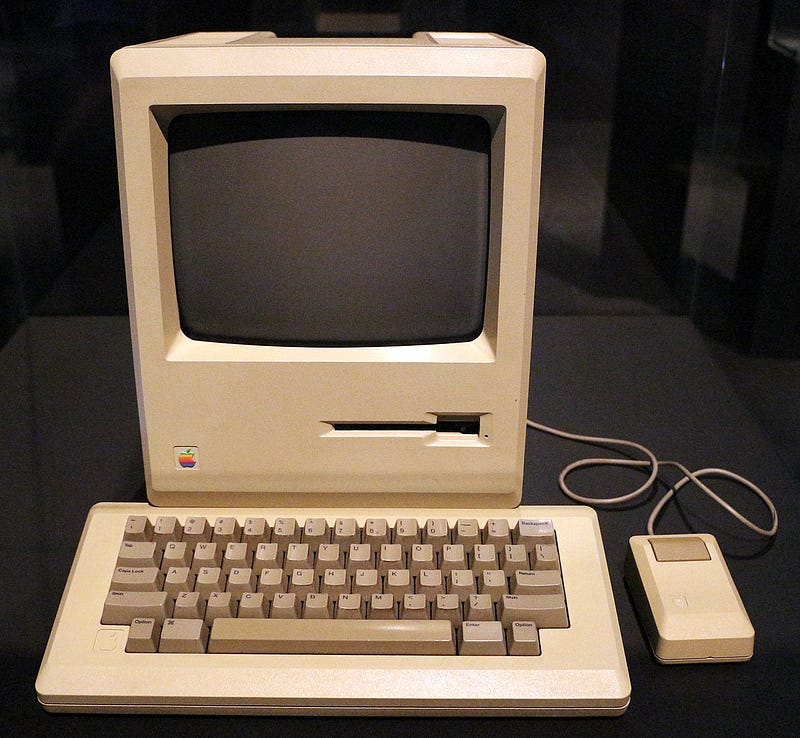
Before the App Store and collaborating with other mega-corps like Starbucks to feature Games of the Day, which could all but guarantee an indie mobile developer practically millions at one time, the very progenitors of Macs did not want to be associated with games.
And they were indeed serious business machines for a time. My father’s office worked with Macs and had a contract with Apple to supply them with computers. Every time his department recycled them for the latest model, he snuck a few old ones home and that is 100% how I ended up on this life path. (And why our house was like a dumping ground for retired RCA equipment!)
In the end, Apple screwed themselves when they saw how much games were popping off on home PCs. Long before Steam fatigue and the attention economy, people wanted games and just plain seeing one was enough to get them to buy it. And it took a serious nerd to boot up DOS, who wouldn’t want to game on a Mac where Systems 7–9 were very plug-and-play instead of painstakingly typing in commands?
As the Mac shareware community grew and small publishers came out on top as DOS and Windows still dominated the commercial games market, Apple was going to repeat the mistakes they made in the 80s and turn their backs on the very developers who helped catapult them to success.
The millennium was turning and System 9 was being phased out for OS X and the practice of putting “i” in front of everything.
While DOS could still run natively in Windows 98, Vista, and XP, this was not the case for older Mac systems when OS X rolled out.
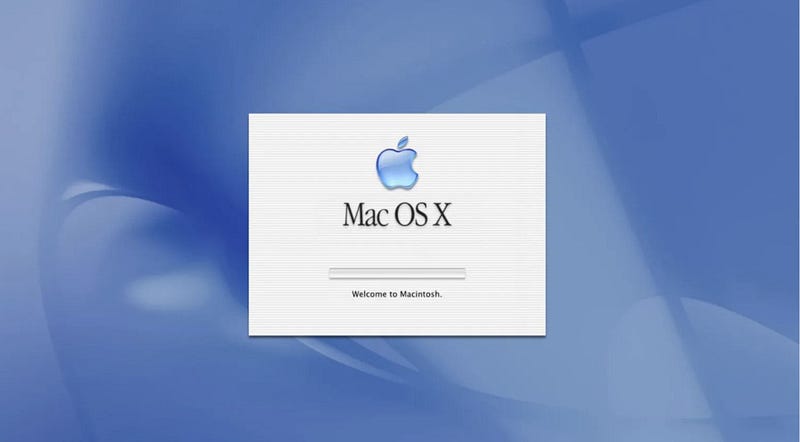
Running OS X in Classic Mode was essentially useless. It caused most older programs to completely glitch out, music files became tinny earworms, and that’s if they even opened at all.
OS X effectively murdered the first waves of indie developers’ and small publishers’ work overnight.
The Coldstone engine that had been promised as the future of RPG development would not even open. Neither did POG, vanilla or with plug-ins.
To say that the dev team freaked out was an understatement. Beenox was still a small and fairly new studio. Despite working their asses off on this game for more than a year, they cut their losses and abandoned ship.
Salvage or build on this joint venture with Ambrosia? Nope. How could they promise a whole new generation of quality RPGs when it wasn’t even functional anymore as Apple didn’t believe in backwards compatibility, what would later be a grim predictor of more frequent and pedestrian planned obsolescence?
So Beenox abandoned the Coldstone engine and POG entirely. They apparently used what they had to make and publish one more game in the engine themselves, while Ambrosia moved on to making some of the first iPhone games before essentially disappearing.
Ambrosia then completely wiped POG, Trinity, and even all the fan-made plug-ins from their website because they didn’t want to provide support for a project that they didn’t personally make and was now totally abandoned. They didn’t want to take that risk by selling any more copies of the game, officially relegating it to abandonware status in a shorter timeframe than was normally given to Mac games from this era.
So let that sink in: you’ve got a team of about 15 people who poured their lives into making this RPG for at least 1–2 years if not longer, likely running on a shoestring budget and getting paid far less than a comparable tech job would’ve offered in 2000.
They finally release it with a well-known Mac publisher instead of on their own. POG is a good game, it ends up cultivating a dedicated fanbase. It’s nowhere near the size of a Sierra or New World Computing title’s fanbase, but still one happy to keep playing, excitedly talk about the game, pay a decent price for it, and then BOOM.
Apple just fucks you overnight by rendering both this game AND the engine you’ve been pushing as the next big thing for indie game devs totally useless.
It’s truly tragic. It’s like seeing your entire life’s work erased.
But despite how short-lived the adulation and royalties were, they still made an amazing game that people love to this day.
That in the ever-growing sea of quality indie games made with more universal engines that don’t require convoluted emulation processes and having to obtain ancient file types from archives, you have people who still want to play it.
Go look at the comments on Macintosh Garden, they’re from this year. The most recent one is less than six months old at the time this article was posted.
There’s indie developers now who can’t even get people to play the damn game.
Sure, they’ll wishlist it on Steam. Maybe you’ll even see it reflected in your royalty statement. But are they actually playing it then talking about it?
People actually played this game and still want to play it again 20 years later.
I’ve seen all kinds of batshit things in my career as a business consultant to our kind. You can have a title that’s a total darling of the games press and wins all these awards, but then it barely sells and people don’t actually play it. Or you can have barely 1,000 Twitter followers and a couple Steam wishlists, no press mentions whatsoever, then suddenly your game is making $100,000 per month like what happened to one of my clients.
It also wasn’t the end for Beenox.
I’ve been looking up various developers and publishers for this project and expected to find Beenox in the same archives of websites that looked like they were last updated in 1998. That’s definitely not the case.
In picking up the pieces from the sudden cessation of royalties and their relationship with Ambrosia, Beenox quickly pivoted their talent to porting games on the market to other platforms.
Then they switched their focus from PC and Mac games to consoles with their next release not coming until 2007: an original licensed Bee Movie game for the Playstation 2 and Xbox 360. Activision bought them out in 2005 and the founder left in 2012, about 10 years after that axe made of Macintosh apples fell on an RPG that still has a captivated fanbase. Today, Beenox is focused primarily on support tasks for Activision-owned franchises like Skylanders and Call of Duty.
Beenox definitely departed from the original founder’s vision of creating original games, but kept going despite this massive and unexpected blow, then the founder exited for whatever personal and business reasons they had. Sometimes we do have to compromise our vision to keep going, or do things we may not have initially set out to do to keep the bills paid. Porting wasn’t as sexy as making an original game, but it had to be done to reach other markets. And working on a super-franchise like Call of Duty provides security when you have both families and investors to feed.
I’d been freaking out about this messy, charred landscape with my games in the works then my hope was renewed thinking about how I also started over numerous times.

When I laid eyes on POG for the first time in almost two decades, a rush of memories came back of both the hope and frustration I had at 16 of someday being a game developer who wanted to make story-heavy adventure games and RPGs for computers rather than FPS and action games for consoles. I still had a life in New York and I was scared at the prospect of leaving the family I still had and my massive, tight-knit community in the punk scene for a job that I’d have to fight like hell to get just to probably lose it in six months.
Knowing what I know now about what happened to Beenox and Ambrosia secured me in knowing I made the right choice for the time. Hey, it was long before we had things like game design programs in schools and communities of indie developers one could easily seek out.
But while you no longer need to be in California to make games and work in entertainment, I still chose to come here later in life to start over.
Whether you screwed up or some extraneous force beyond your control did like an OS, engine, or distributor suddenly yanked the rug out from underneath you, you can always start again. Maybe you’ll take a studio position or a vanilla tech job that pays more, or do what I did and focus more on the business side. I genuinely love helping others navigate the business end of independent game making while still getting to embrace the art and science of it.
And if I hadn’t fucked up a few times and also had to deal with Apple-esque axe falls (within and outside the tech context) maybe I wouldn’t have arrived at both the career and life I always dreamt of that’s only gotten even better in an exciting new city I truly love.
So put your work out there. You don’t know what kind of audience you’ll get.
Maybe they’ll still be fondly talking about your game 20 years from now like I just saw with POG. Or it will be forgotten in the sea of other game pages. You aren’t going to know until you put something out there.
It’s so easy to get lost in the proliferation of perfectionism paralysis, social media blather, nasty comments on our Steam pages, and ever-shifting algorithms. We weren’t meant to process this much conversation and information at once. It can make us forget about the joy of the craft that made us want to make games in the first place.
Now put this article down and get back to work on your game. Find something that makes you remember those dreams and your joy if you’re having a hard time getting back into it. Because even if Steam magically imploded tomorrow, at least a Windows refresh won’t murder your life’s work overnight.


