
Lessons From the First Lockdown, Or How We Failed Our Schools
Next time, let’s get the reopening thing right
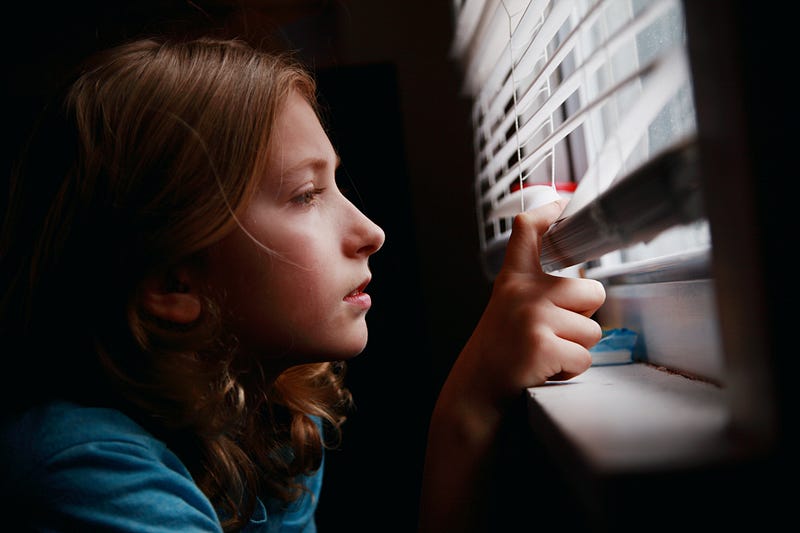
No, the kids won’t be going back to school in August
At least not in California, they won’t, nor in many of the larger counties and districts in states that are reeling from the COVID Summer Surge. On July 17, California Governor Gavin Newsom issued the order: no schools to reopen in person in any of the counties currently on the state’s watch list. Those counties are home to about 80% of California’s population, so effectively this means that school in California will be online-only until further notice.
It’s not good news for bored, frustrated kids and their harried parents. It’s not good news for school administrators, principals, staff, or teachers. It’s not good news, really, for anybody.
It’s just better news than not knowing whether we’re expected to send our kids out the door with their backpacks and lunches (and masks) when the COVID climate is worse than it was back in March. After a summer full of wan, waffling guidelines from health agencies and threats and tantrums from the White House, it’s refreshing to see someone in authority make a clear decision.
Especially a decision that prioritizes saving lives over saving the bottom line.
This is a lose-lose situation, but it’s the right call
Can online learning replace classroom education? Definitely not for primary and elementary grades, and highly unlikely for middle and high schools considering the short and uncertain time available to prepare, train, and equip for online learning. Nor does not knowing when we might expect to pivot back to classroom learning help.
Yes, kids and their families lose out. But this pandemic forces on us sacrifices similar to wartime, and as in war, there’s no victory if enough of us don’t survive. Especially our children.
There has been much crowing, especially by our President, about successful school reopenings in other countries. But in none of those other countries is the coronavirus as wildly out of control as it is in the U.S.
There has also been a lot of pointing to evidence that seems to indicate that kids don’t get COVID as readily as adults and that when they do they’re not as likely to suffer its more severe symptoms. Again, those findings come from places that have done a vastly better job of controlling the threat.
The position of the White House, so winsomely articulated by Press Secretary Kayleigh McEnany when she stated that “science should not get in the way” of fully reopening schools, is that the risk to kids from not being in the classroom is greater than whatever damage COVID is likely to do to them (to underpin the lucidity of the administration’s position, McEnany went on to say that “the science is on our side” — which leaves one to wonder if she notices when she contradicts herself, as well as which science she’s talking about, especially since the whole point of science is to be objective, which means not having sides to take).
Left out of any of the arguments for herding kids back into school no matter what: at what age do children lose their purported resistance to COVID; what environmental conditions are necessary to prevent outbreaks in classrooms, hallways, locker rooms, and lunchrooms; what happens when someone in a school does become infected; what about the adults who spend their days working in schools; and what about the older family members to whom the kids will come trooping home at the end of the day?
Most frightening: what if the blandishments about the safety of kids returning to school are just flat wrong?
The Current Occupant is willing to send the nation’s schoolchildren out to face the invisible enemy and thereby save the economy (and more importantly, any hope of his reelection). Thankfully, Governor Newsom and other decision-makers are not so eager. Nor, I suspect, are many parents, despite how weary they are after five solid months of family time.
So what have we learned?
Nobody’s happy with school being upended yet again. What is most frustrating is that after all these months, we are back to square one. Yes, researchers and pharmaceutical companies are working at breakneck speed to develop treatments and, hopefully, vaccines, and while the novel virus remains baffling in many respects, we know a lot more about it than we did last winter. When we get to the other end of this crisis, we may well look back on it as a period of unprecedented advancement in infectious disease response.
But in terms of policy and public health response? Not so much. Absent rational top-down guidance, an approach that needed to be unanimous in order to be effective became splintered, piecemeal, and politicized. The months have worn on. The federal funds meant to assuage the economic devastation are about to expire, with no assurance of further support. Desperate and divided, society is eating itself from the inside out. Under intense and bewildering pressure, it’s no wonder that states, counties, and cities have relaxed their vigilance and allowed commerce and public life to resume in ways that have not been adequately considered.
It’s been back to work, back to the beach, and back to the bars. Hence the Summer Surge. It wasn’t supposed to happen until autumn and flu season, but here we are.
Let’s not repeat this lesson
If we must endure another lockdown, let’s use this one to reflect on the mistakes of the first one so we don’t repeat them. In particular, let’s not miss again what should have been obvious the first time around:
The ability to reopen schools must be a top priority.
That doesn’t mean we send kids back before it’s reasonably safe — meaning when the regional or state infection rate has fallen below a benchmark set by public health experts. It means we make it our goal to reach that benchmark before we open indoor restaurants and wineries (and I say this as someone who loves and sorely misses both).
It means that we acknowledge, at last, just how critical a role schools play in the functioning of our society and our economy. It means that we recognize that until we can get the kids back in the classroom, we can’t hope to get back on our feet as a nation.
So this time, let’s focus on school, right behind keeping our health care system and vital public services functioning. If the experience of the past months teaches us anything, it’s that school is a vital public service.
That means more monetary backstopping from the federal government to keep businesses and families afloat, as well as funds to states so they can furnish their schools with the ventilation systems, equipment, and personnel needed to safeguard their environments — and the students and staff in them — as much as possible.
It means that this time, we hold off on opening bars and bowling alleys until school starts. For real. Our children deserve no less.


