
Lessons From Chernobyl In Times of Coronavirus
Chernobyl and COVID-19 are two tragedies that could be minimized
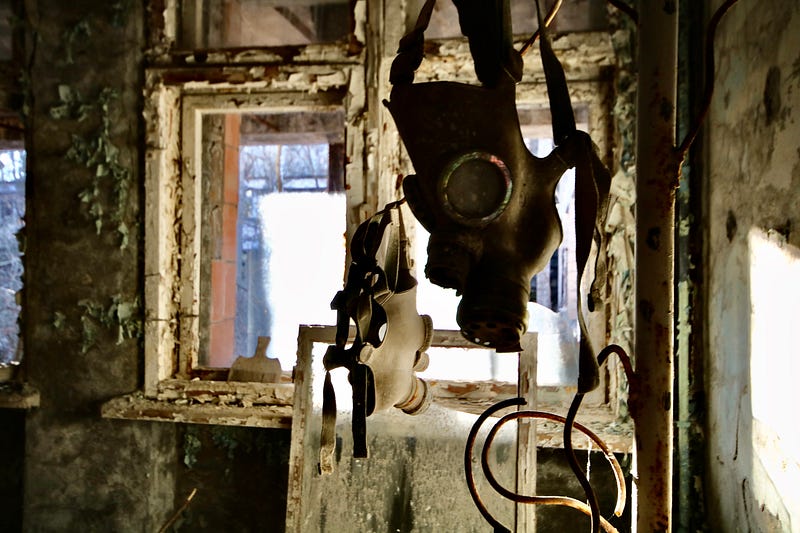
I believe that everyone knows about Chernobyl’s tragedy that occurred in April 1986 in Prypiat, I didn’t know much about its details until I saw the 5 episodes series made by HBO with the same name.
I won’t comment on the artistic aspects of the series, after all, many already did and it is impeccable, it isn’t demagogy to say that it is one of the best I have ever seen.
What makes it impressive and frightening is that a story from decades ago can be so much related to our present.
Yes, Chernobyl has a lot to teach us.
Much of what is given to us in the series is the way they dealt with the disaster, politicians making decisions based on nothing while the experts, in this case, scientists, had their voices dwindled by trying to expose the truth, a truth that would be the disgrace of a nation, but that same truth could save thousands of lives.
And what does this have to do with us?
Well, everything. The denial of science seen in the disaster is the same that we see nowadays, in 2017 Donald Trump abandons the Paris Agreement when the American government produced a report of more than 1500 pages backed by around 300 scientists that he countered with a simple Tweet “I don’t believe”.
In the current Brazilian political situation we are not lacking in examples, the Brazilian Minister Ernesto Araújo denies global warming saying that thermometers currently mark higher temperatures because they are closer to the asphalt.
Unfortunately, nothing is so bad that couldn’t get worse…
Chernobyl and COVID-19
The RBMK nuclear reactor exploded during a safety test that simulated a lack of electrical power, the reactor uses uranium as fuel and its radiation has spread over kilometers. To measure the magnitude of the radiation, Comrade Dyatlov, the responsible for the test, used a dosimeter that accused 3,6 Roentgen per hour (R/h), it is the same amount of radiation that we receive with an X-ray.
The problem is, 3,6 Roentgen was the maximum quantity that that type of dosimeter could measure, how could they be sure it wasn’t a lot higher?
Ignorance is a blessing, ain’t it?
Days after when they were trying to put down the fire, a more potent dosimeter was brought and it revealed that the real amount of radiation wasn’t 3,6 but more than 20.000 Roentgen per hour, a lethal dose is 500 R/h.
“3,6 Roentgen, not great, not terrible” (Dyatlov’s character in HBO series)
You might be asking yourself what it has to do with the pandemic of COVID-19. The big difference between the countries that successfully dealt with the Coronavirus were those that most tested, while those that denied its gravity had to deal with a lot of deaths.
It is easy for a country to say that they have only 10 infected people when they only tested 10, I’ll do the same question that I did before, how can they be sure it isn’t a lot more?
They can’t, the fact is that there are a lot of leaders out there that just don’t care. The Brazilian president Jair Bolsonaro claims that the media only talks about how many people are infected and doesn’t cover news about people that recovered from COVID-19. That type of statement just doesn’t make sense, it is the same to ask media to cover about how many survived a shootout when the real issue is that it wasn’t supposed to be happening shootouts.
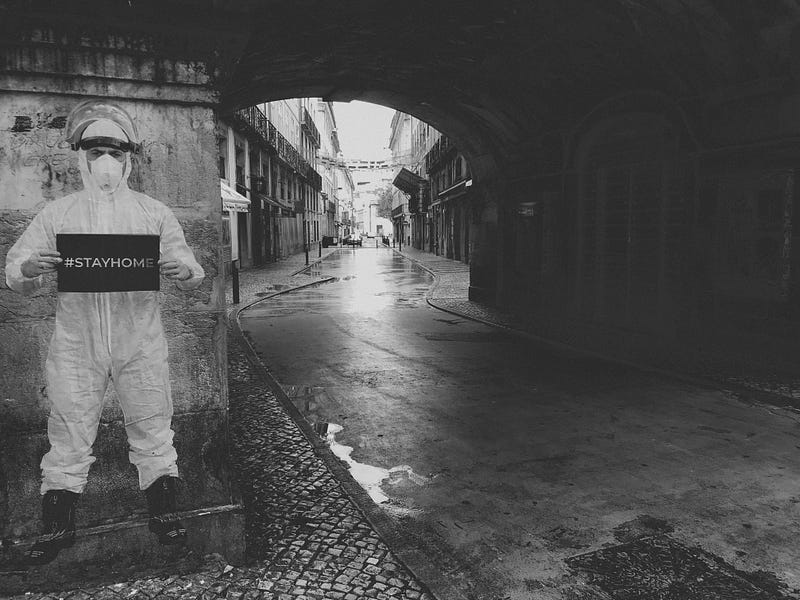
An old struggle between science and obscurantism
Ironic, that when comparing Chernobyl with the situation generated by the Coronavirus, a theme so different and in another historical moment, the same contradiction is repeated. Political interests, especially where the crisis coincides with the electoral period (the United States and Brazil, for example) differ from what science recommends. So, created the shock, it is necessary, for the “interests” to put in doubt, then to question and finally try to demoralize what science recommends.
In the end, Chernobyl does not just talk only about a nuclear accident, but it relentlessly describes the old war between truth and censorship, between reason and its misrepresentation by power. Soviet bureaucrats did not have to worry about the forthcoming elections but tried to maintain the false image that they created about their capacity.
The legacy of Chernobyl goes beyond radiation, it shows us how exposed a society is to danger when reason loses space for shouting, and when facts lose their value for beliefs. This story is a warning to the path we are going for the future, Chernobyl is a gift to our present, say thank you.
If you want to receive more content about science, like riddles and questions that humanity could not answer yet, just click here and subscribe.