Memoir
Lessons from a Life Half-Lived
Exploring the unseen burden of emotional scars in our lives

The red bag stored in our storage carried profound emotional weight. Some years ago, we carefully stowed it away, dreading the surge of feelings the content might unleash.
Many of us tend to avoid intense emotional upheavals. We try to shield ourselves from the tidal wave of memories and sentiments that might flood our hearts, especially when they hold the power to stir dormant emotions and open the floodgates of introspection.
This is the story of my father-in-law, a man whose unparalleled brilliance was tragically stifled in his prime.
A Writer’s Journey into Unfinished Stories
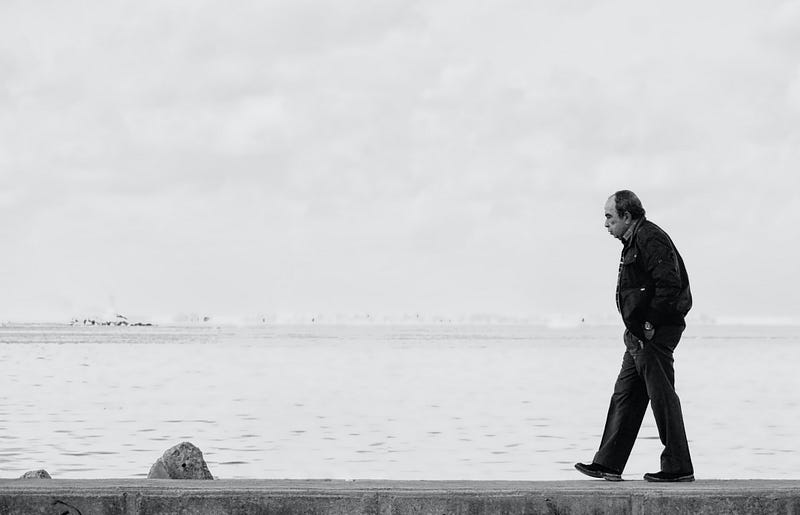
When I embarked on my writing journey, I felt it was time to finally open the bag. It was my way of reaching out to the writer who once lived in our home. I wanted to immerse myself in the pages of his life’s work.
I finally unzipped the bag, and as I flipped through every page, a deep sense of melancholy washed over me. His collection of written words, meticulously folded within the aging confines of the bag, was a testament to a life that only saw partial fulfillment. Inked on those pages were imprints of his untold stories and unresolved emotions.
I felt a deep connection to the aspirations, struggles, and unspoken dreams of the writer who left a literary legacy behind. In moments of brilliance, his words bore the weight of his unspoken challenges, narrating a tale of a life that, in most aspects, felt incomplete.
Beginning of His Story

He was born into a family of modest means. His mother was the thread holding their world together. She was the source of their strength. His father, on the other hand, grappled with emotional fragility, lacking inner strength and resilience.
As a child, he harbored resentment toward his father’s perceived weakness. His writings laid bare this disdain, expressing a belief that his father’s fragility had left the family ill-equipped to face the challenges of the world.
It is indeed true that individuals with frail character often influence their children, leading them to either inherit a proclivity for passivity and obedience or, conversely, a tendency towards extreme non-conformity and rebellion. These children are prone to extreme behavior.
Fate played a role in shaping his destiny, and as he matured, he unconsciously trodded the same path as his father, adopting a persona marked by weakness, apologies, fear, and unhappiness — traits that mirrored the very qualities he despised in his father. The patterns of his past shaped the contours of his own life. He was unable to stand up for what was right, yielding out of fear and allowing others to take advantage.
As I delved into his memoir, it became evident that a particular story marked the turning point in his life, consuming a substantial portion of his recollections. The experience, laden with pain and neglect, left an indelible scar on his tender heart.
He was born into a conservative and traditional family, where children were expected to adhere to certain norms and conventions. His sister, in stark contrast to his personality, rebelled against all conventions. Their formative years were marked by her disobedience, causing family discord and conflicts. She opted to defy all societal norms, became pregnant outside of wedlock, and eventually eloped with her lover.
In the context of their small country village, such choices were unprecedented, sparking widespread gossip and condemnation. The weight of society’s judgment bore down heavily on the entire family. The neighbors and friends turned their backs, leaving them to face isolation.
The harsh scrutiny from their extended family further deepened the family’s struggles. His tender heart felt burdened by the collective disapproval. He found himself navigating a lonely path with no friends and family.
The scandal transformed them into pariahs.

His father, unable to bear the pain and burden, left the house one day and never returned. He was deemed deceased and presumed to have taken his own life. The mystery of his sudden disappearance and whereabouts to this day remains unsolved.
It is disheartening to note that, rather than offering wholehearted support, societies frequently lean towards rejecting and undermining those going through difficult phases, further exacerbating the vulnerability of individuals navigating challenging times.
The search for his sister continued, and after tireless efforts spanning an entire year, they finally managed to locate her. His sister returned with her twins, and with her came a new era of hardships.
His mother’s determination to assist her daughter in rebuilding her life remained steadfast, but she left the little boy to fend for himself. He became a mere afterthought, pushing him further down a path of anxiety and insecurity. His growth was arrested as he became increasingly timid and neurotic.
As life unfolded, he married a gentle soul, yet the scars of his past continued to hold him captive. He approached life with caution, unable to trust others. His lack of confidence became a hindrance to his career progression, resulting in stagnation.
Despite enduring career dissatisfaction throughout his life, he never took proactive steps to address it. His cautious approach, stemming from a history of mistrust, not only affected his relationships but also became a formidable barrier to his professional growth.
He wanted more from life but never did anything to get it.

Despite the challenges, expressing himself through music and writing became his lifeline, and creativity became his refuge, a way to cope with his inner turmoil.
He was a highly educated individual with numerous scholarly accolades to his credit. His publications in mainstream papers, magazines, and scholarly journals are a delight to read. His non-fiction repertoire spans a wide range, covering social commentary, history, and radio plays. His excellence in his field was exceptional.
While many believe that creativity can offer a sense of well-being, for him, it served as a bittersweet solace.
Pages of Turmoil

As I flipped through the pages of his writings, I couldn’t shake the thought that the brilliance radiating from those pages may have sprung from the depths of his troubled soul. It made me contemplate how often creativity is born from the crucible of inner turmoil.
Cynthia Rylant’s words echoed in my mind:
“They say that to be a writer, you must first have an unhappy childhood. I don’t know if unhappiness is necessary, but I think maybe some children who have suffered a loss too great for words grow up into writers who are always trying to find those words, trying to find a meaning for the way they have lived.”
It is extraordinarily surprising how a mind that felt so deeply tormented can still harbor such expressions as if the tumultuous currents of inner turmoil had become the source of inspiration for the remarkable literary and academic contributions.
The human spirit can endure profound distress and transform that distress into a wellspring of remarkable intellectual expression.
In the latter part of his life, his constant mental struggle started to take a toll on his physical health, leading to a life marked by illness.
Throughout his life, he battled depression and unhappiness hidden beneath the facade of wealth and material comfort.
He possessed exceptional talent but was burdened by the weight of his formative years and found himself unable to escape the confines of his mind.
The shackles of past experiences held a tight grip on him. Some wounds run too deep, and for him, contentment always seemed just out of reach; happiness always remained elusive.
As the years passed, his depression cast a shadow over all his relationships. His unhappy demeanor alienated him from his children. They couldn’t comprehend the demons that tormented their father. His suffering went unnoticed and untreated.
He lived a life that appeared abundant on the surface, yet his soul knew the weight of its burdens.
Sadly, he died an unhappy soul.

The articles he wrote now rest in the quiet corners of his room and stand as a testament to a life half-lived — a poignant reminder that sometimes scars never truly fade.
Distilled Lessons from His Journey
My father-in-law's life is a compelling depiction of how an unhappy childhood can significantly influence the emotional well-being of individuals as they transition into adulthood.
Patterns established in early life can impact self-esteem and the ability to cope with stressors as adults. These children find themselves grappling with emotional scars, unresolved issues, and challenges in forming healthy connections.
As the medical community today understands the impact of mental health on individuals and their quality of life, it is crucial for families to also become more aware of the enduring effects of early-life experiences. Understanding the significance of family dynamics is essential in ensuring that a child can lead a happy life while navigating the everyday stresses of growing up.
We as a society can play a role in promoting more fulfilling lives for individuals who have endured the challenges of an unhappy childhood by addressing the root causes and offering resources through written works and discussions for healing.
Thank you for reading my story.