
Lessons From a Body Sculptor on What Really Changes The Shape of Our Bodies
I went from 180 pounds to 145 using her advice
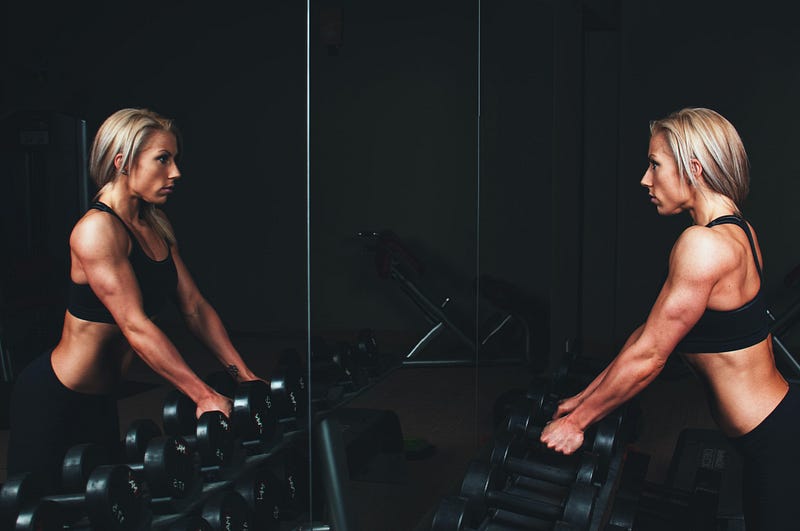
In our 20s, my sister was a champion body sculptor and I was a figure skater. After I stopped figure skating, my body changed dramatically. I gained around 40 pounds and with no understanding of nutrition in my 20s — I couldn’t cook to save myself — I thought the changes were because I wasn’t training anymore. Talking with my sister, I found out the truth.
Here‘s what my sister’s body sculpting career taught me:
What matters most
In the three years my sister competed, she won the majority of her contests. Working in a gym helped. She had direct access to personal trainers, nutritionists and, as an experienced sports massage therapist, she has an excellent understanding of the body.
She trained for hours every day but, she told me, it’s what you eat that matters most. My sister ate the same thing every day while she was training. It was carefully selected and measured.
I’d never thought much about what I ate in my 20s. I’d always been slim and managed to get away with eating whatever I wanted. Once I left home, unable to cook, I relied on a lot of takeaways and quick, easy meals. I hadn’t realized the role my parents’ healthy meals had played in my body’s shape and health.
I was strong and toned from skating, but a healthy weight because of what they feed me. Hearing how careful my sister was about what she ate and how much she ate, was a big eye-opener for me.
What you need to know
Food plays a bigger role in how our bodies look. Exercise is important, but it doesn’t shape us in quite the way you’d think.
Americans, on average, consumed 4,200+ extra calories per week due to COVD-19.
In a recent survey it was found that Americans, on average, consumed 4,200+ extra calories per week due to COVD-19. Stress and boredom eating during a pandemic are understandable and we certainly don’t want to crash diet to fix it. Crash dieting never works long-term anyway.
But we can become more aware of what we’re putting on our plates. For me, learning about nutrition made a huge difference. Thinking long-term about your health and diet is better than short-term weight-loss. With small changes each year in my diet and some mental shifts about food, I went from around 180 pounds in my late 20s, back down to 145 pounds now in my 40s.
Small changes make a big difference
The small changes I made felt sustainable long-term. You don’t necessarily need to count calories and restrict your diet. With little adjustments, you can feel like you’re adding in food, rather than taking it away.
Some small changes you could make:
- Switch what you drink. Over time, I switched from soda and juice to water, cider, and beer to flavored kombucha—and from coffee with 3 sugars to coffee with no sugar.
- Add in bigger portions of vegetables and reduce your portions of meat. Your meal still feels satisfying, but it has a larger nutritional value.
- Find delicious healthy snack options. I love soaked chia seeds, corn thins with cottage cheese, and mandarins, but there are so many options. You just need to explore them and find a few you really enjoy. If it feels like a treat, you’re more likely to chose the healthy option when you reach for a snack.
- Add easy meals like soup into your week. Vegetable-packed soups can be frozen, or cooked up at the beginning of the week for easy meal options. You can grab pre-made soups from the supermarket too. Easy healthy meals are important because we’re most likely to grab takeaways or a bag of potato chips when we’re feeling too tired to cook.
- Make some boundaries for yourself around less healthy food, for example, “I’ll save eating chocolate just for Friday movie night.”
- Slowly reduce your portion sizes. We all tend to eat more than we need.
Avoiding a deprivation state is important
In making your small changes, you also don’t want to plunge yourself into a deprivation state. If you feel deprived of food you’re far more likely to binge eat.
Body sculptors restrict their eating in extreme ways, but they’re competing for short bursts and then put on weight again for the rest of the year. Even then, my sister said the dieting and weight changes affected her mood and mental health.
For those of us who aren’t body sculptors, small changes are far better than strict dieting. It’s important not to feel like you’re restraining your eating. In one experiment deprivation was found to increase cravings and eating:
Restrained eaters experienced more food cravings than did unrestrained eaters and were more likely to eat the craved food.
Many of us have overeaten in the pandemic and put on more weight than we’d like. If you want to change the shape of your body, exercise is important for muscle, tone, and fitness, but what you eat has the biggest impact.
Rather than depriving yourself on a strict diet, try making small changes over time. You’ll be more motivated to eat healthily long-term if it feels easy.
A Medium Membership gives you full access to my content and thousands of other great writers and if you use this link to sign up, you also help support my writing. Thank you!