
Great for cold and flu symptoms
Lemon Myrtle Tea
An Australian superfood that is easy to grow and use!
Disclaimer: We are a community of learners in herbs, herbal medicine, and herbal practices. This is for educational purposes only.
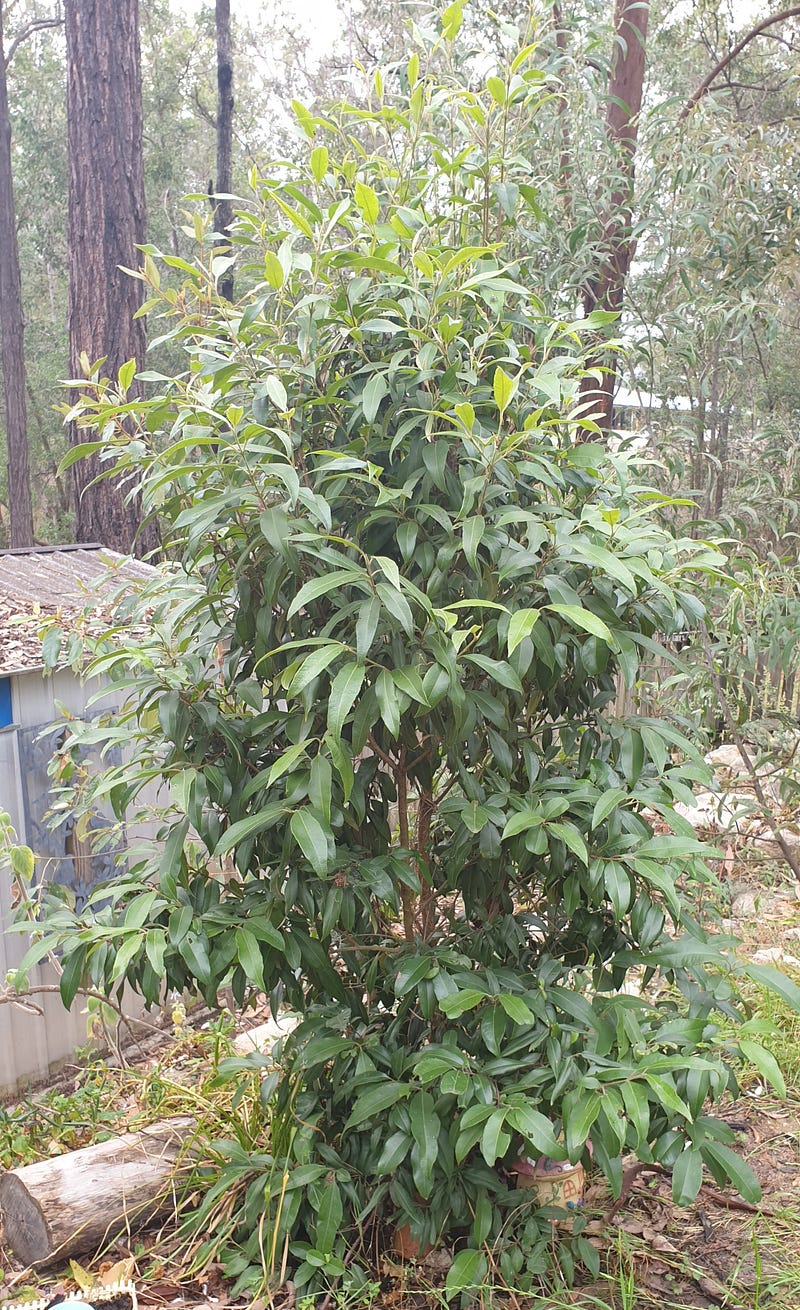
The Lemon Myrtle tree (Backhousia citriodora) grows on the East Coast of Australia in subtropical rainforests. Due to its hardy nature and popular flavor, it is now grown commercially in every Australian state except cool temperate Tasmania.
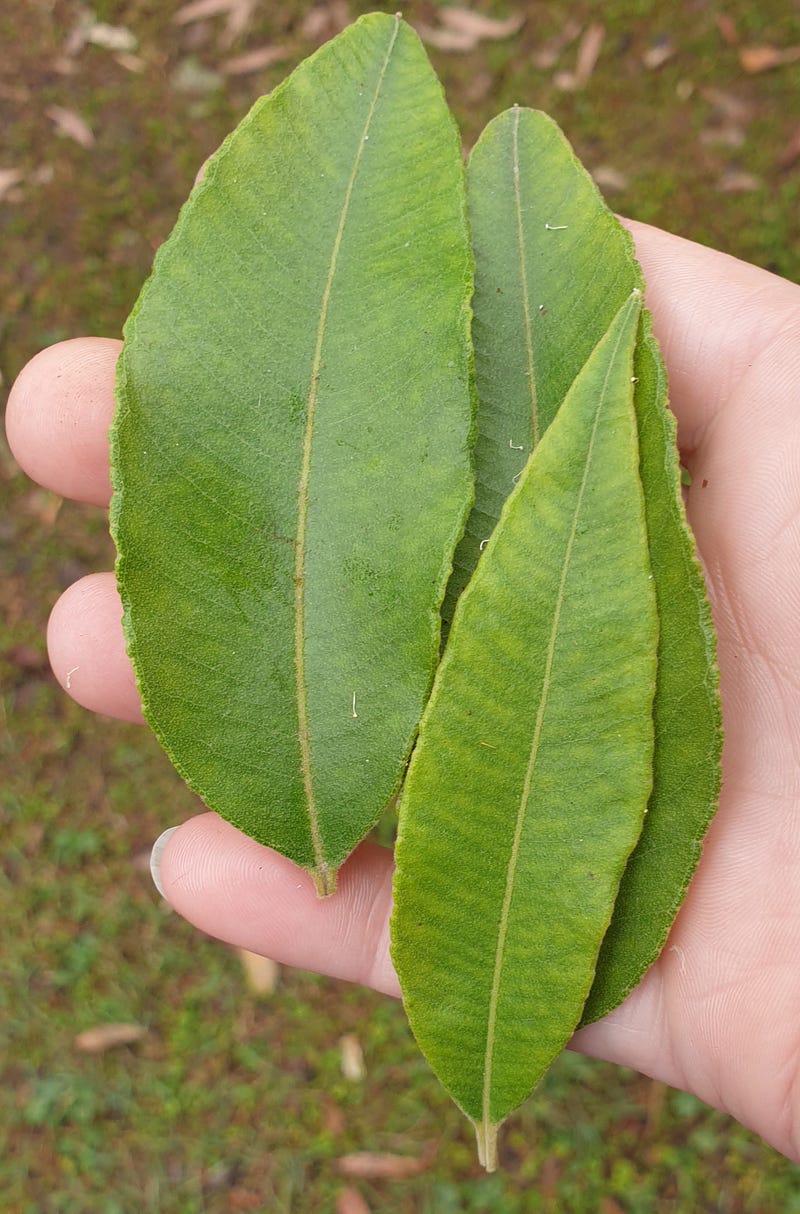
Lemon Myrtle leaves contain more citral, a component of the volatile oils in citrus rinds and leaves, than any other plant, greater than 90%¹. The leaves are antifungal, anti-microbial, and have high antioxidant activity. For this reason, as well as the lovely scent, it is used in cleaning products. Lemon Myrtle has components that improve eye health¹. In addition, the leaves are high in Calcium, Vitamin E, and folate.
The Australian Aborigines have used the plant as food, medicine, and flavoring agent for tens of thousands of years. Chewed leaves relieved sore throats and shortened the duration of all respiratory ailments. It was even used to relieve muscle cramps.
When I have cold or flu symptoms, Lemon Myrtle Tea is my “go-to” drink. The warm water soothes the throat while the lemon clears the nose, and it is like Lemon and Honey tea but with a stronger kick!
It’s extremely easy to make.
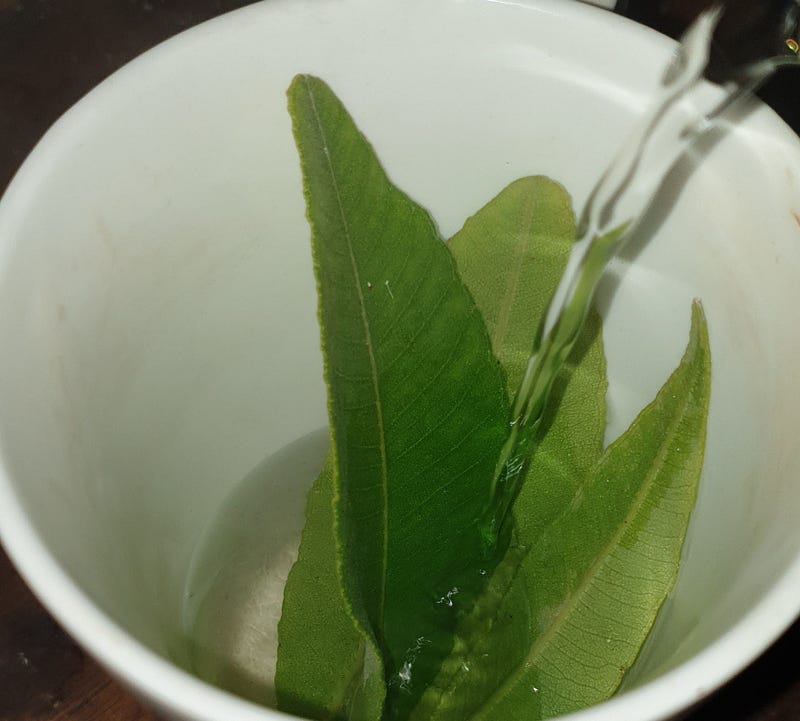
- Take two or three fresh leaves (new growth is best) and pour over boiling water.
- Steep for 5–10 minutes before drinking.
That’s it!
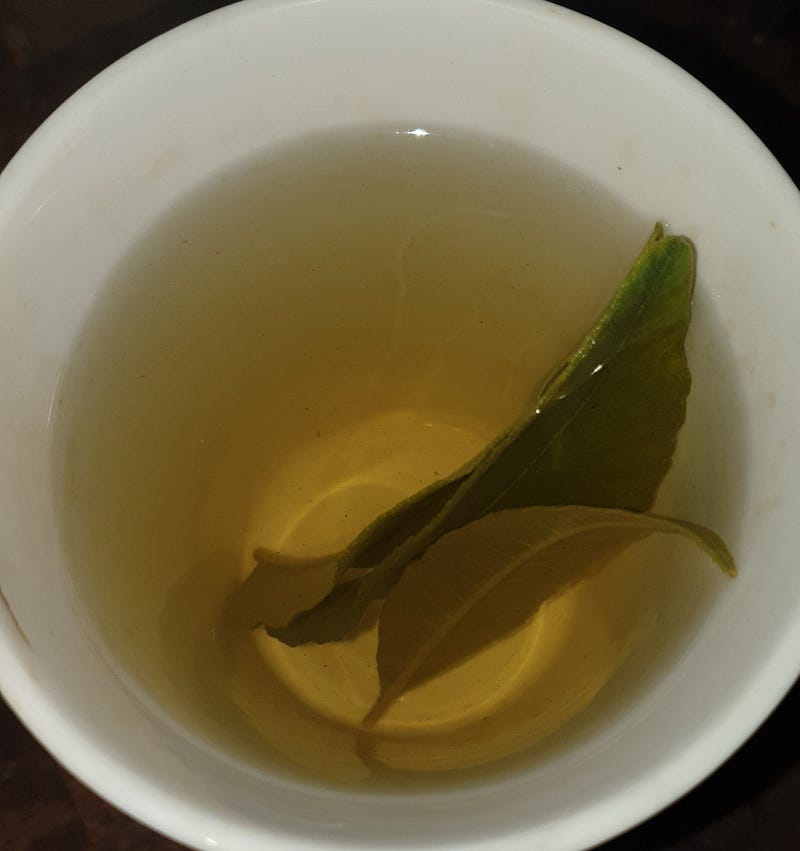
If you don’t have a tree or access to fresh leaves, the dried leaves can be used in the same way. As a bonus, tea can be brewed and left to cool for a delicious lemony iced tea!
References:
¹Australian Native Food and Botanicals: Lemon Myrtle